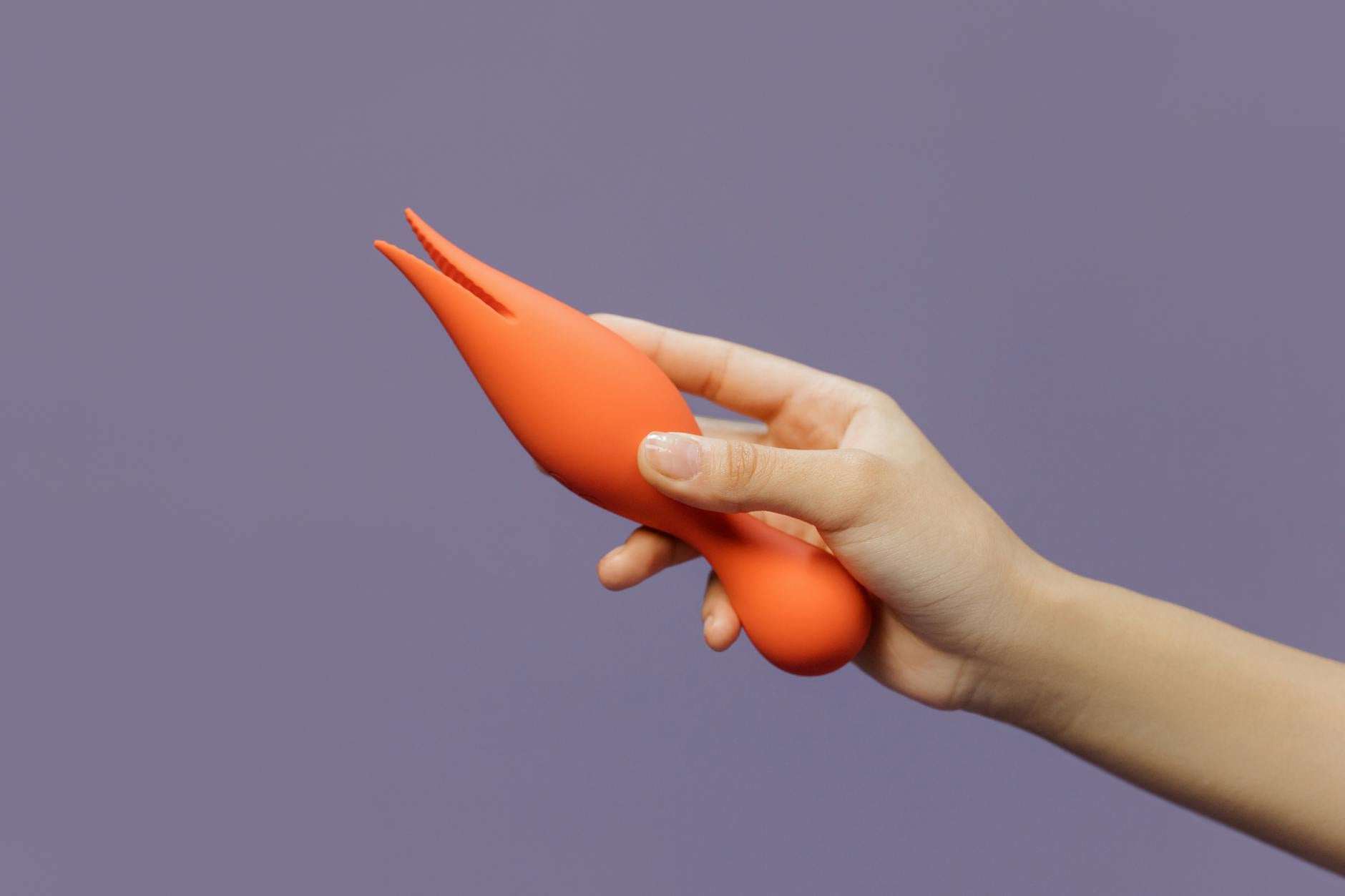
Here's the thing about solo play and partnership
You've spent months or years getting to know your body. You know exactly which pattern makes you feel alive. You know the pacing, the pressure, the moment right before. You own that experience. Then you meet someone, or your relationship deepens, or you decide it's time to invite your partner into this part of your life. Suddenly, all that knowledge feels like it might disappear. It won't. But the transition is real, and it deserves actual planning.
The shift from solo pleasure to partnered play with a lemon vibrator isn't about losing what you've built. It's about expanding it. Most couples I work with skip this conversation entirely and then wonder why everything feels awkward. Let's not do that.
The conversation nobody wants to have (but everyone needs)
Before you even unbox your lemon clitoral vibrator in front of a partner, you need one conversation. Not romantic, not in bed, not when you're already turned on. Saturday morning coffee, fully clothed, zero pressure.
Here's what I tell people to say: "I've been exploring my own pleasure with a vibrator. I really like it. I'm excited about the possibility of using it when we're together, but I want to know how you feel first." That's it. You're not asking permission. You're inviting feedback.
What happens next matters more than what you said. Your partner might feel relieved (they've been wondering the same thing). They might feel insecure (this is normal and fixable). They might be curious (even better). They might need time to process (absolutely fine). None of these responses means you're doing it wrong.
If your partner expresses worry, the issue is almost never the vibrator itself. It's usually one of three things: fear that they're not enough, confusion about their role, or unfamiliarity with the territory. All of these are solvable with information and reassurance, not with abandoning the vibrator.
Reframing what a vibrator actually does in partnered play
Most people think a vibrator replaces the partner. It doesn't. A lemon vibrator or any clitoral vibrator is a tool that can amplify sensation, reduce performance pressure, and actually help many people orgasm more reliably. If your partner feels threatened, help them understand the mechanics.
When you use a lemon sucker or vibrator solo, you're managing stimulation, timing, and pressure yourself. When you bring your partner in, they get to watch, participate, learn what brings you pleasure, and often experience the psychological satisfaction of being part of your pleasure. Many partners find this intensely connected.
The vibrator isn't replacing them. It's giving you a new way to experience pleasure together.
How to actually integrate it into partnered intimacy
Start small. Your first time using a lemon clitoral vibrator with a partner doesn't need to be a production. It's not a performance. It's an experiment.
Begin with the vibrator in your hands, not theirs. You already know how to use it. Your partner watches, or touches you elsewhere, or just exists nearby. This is not weird. This is you showing them what feels good to you. Over time, they might ask to hold it. They might ask to control the pattern. They might want to combine it with other stimulation. None of these steps need to happen on night one.
One of my clients restarted solo pleasure after a year-long depression. When she was ready to reintroduce her lem vibrator with her partner, she started by using it during foreplay while he kissed her neck. No big conversation before. Just integration. They found a rhythm naturally because there was no pressure to perform or prove anything. She was focusing on her own sensation, and he was present with her. That's the template.
Setting boundaries that actually feel good
Here's what I've learned: most people confuse boundaries with rejection. They're not. A boundary is a permission structure. You're telling your partner what makes you feel safe and what doesn't.
Examples of real boundaries people set:
"I need to hold the vibrator the first few times." This lets you maintain control while your partner adjusts to the experience.
"I don't want to feel watched while I'm using it." Maybe your partner closes their eyes, or you're facing away, or they're focused on touching you instead of observing. There's no shame in needing less intensity on the visibility front.
"We should use it when we have time and aren't rushed." Vibrators work better when you're not anxious about a morning appointment or your kid walking in.
"I want to keep some things solo." This is incredibly common. You might want certain patterns, certain times, certain spaces to remain just yours. That's healthy separation, not rejection.
Your partner can have boundaries too. "I'd like to hold it sometimes" or "Can we try pattern four together?" These aren't demands. They're invitations. The magic happens when you're both interested in showing up for each other's pleasure, not just your own.
When your partner feels insecure (and how to actually help)
Insecurity during this transition is so common it's almost guaranteed. Your partner might say things like "Do you like the vibrator better than me?" or "Are you thinking about someone else?" or simply go quiet and withdrawn.
Don't dismiss this. Don't say "You're being silly." Instead, get curious. Ask: "What are you feeling right now?" Listen without defending. Often what people are really asking is "Do I still matter to you?" The answer is yes. Show them.
One powerful move I recommend is using the vibrator together in a way that emphasizes connection. Maybe your partner holds you while you use your lemon vibrator. Maybe they control the vibration while kissing you. The goal is to prove, through experience, that the vibrator expands what you can do together, not what you need to do alone.
Sometimes your partner needs time. That's fine. Keep checking in. "How are you feeling about this now?" isn't pushy. It's attentive. You're signaling that their comfort matters as much as your pleasure.
Communication patterns that actually work
Don't wait for problems to talk about vibrators and pleasure. Build communication as a normal part of your intimate life.
After good sex: "That felt amazing. I loved when you..." After mediocre sex: "I think I needed more..." When nothing is happening: "I've been thinking about trying..." When things feel stuck: "I miss feeling connected. Can we explore this together?"
The couples who thrive with sex toys like the lem vibrator are the ones who narrate their pleasure casually, the way they might talk about what they want for dinner. It removes the drama and makes everything feel more natural.
If you're returning to solo pleasure after a breakup, restarting solo practice is often easier than jumping straight into partnered use. Give yourself permission to rebuild your solo confidence first.
Navigating the practical stuff
Cleaning, battery life, storage, timing. These sound unromantic but they matter to the experience.
Clean your lemon vibrator before and after every use with warm water and mild soap. Dry it completely. Store it somewhere private. Not mysterious. Just private. Your partner doesn't need to watch you prep the vibrator any more than they need to watch you brush your teeth. You're managing your hygiene, not hiding a secret.
Battery life: know it. Few things kill the mood faster than "One second, the vibrator is dying." Check your charge before you need it.
Timing: your clitoral sensitivity changes throughout your cycle, after alcohol, after stress, based on medication, based on how much foreplay you've had. Your partner doesn't need to understand all of this. They just need to know that sometimes you'll want vibration and sometimes you won't, and that's normal, not a reflection on them.
If you're dealing with sensation changes from medication or health shifts, those practical factors become even more important. Your vibrator is a tool that adapts to your body, not the other way around.
When to know you're ready for this
You're ready when you want to share something that matters to you, not when you feel obligated. You're ready when you've had solo pleasure long enough to know your own body. You're ready when you can talk about it without shame.
You're probably not ready if you're hoping a vibrator will fix a broken relationship or create desire where none exists. Vibrators are amazing. They're not magic. They enhance what's already there.
If your relationship has trust issues, communication problems, or unresolved hurt, address those first. Bring a vibrator into a solid foundation, not into a cracked one. Your partner and your pleasure both deserve that.
What comes after the first time
You might feel vulnerable. Your partner might feel curious. You might both feel closer. You might feel awkward. All of these are completely normal aftermaths.
Don't over-analyze. Don't ask "Did you like that?" and dissect the answer. Just check in gently: "How are you feeling?" If it was good, great. If it felt weird, that's okay too. Weird is often just unfamiliar, and unfamiliar becomes normal with repetition.
Keep doing what works. Try new things only when both of you are interested. If your partner never wants to participate actively in vibrator use but is happy you have it, that's a valid dynamic. If they want to take the lead sometimes, that's also valid. There's no one way to do this.
Pleasure shared is pleasure expanded. The vulnerability of showing a partner what turns you on is one of the deepest intimacies available to you.
People also ask
Can I use a lemon vibrator with my partner if they've never used one before?
Absolutely. In fact, most people in relationships haven't used vibrators before. There's no prerequisite experience. Your partner doesn't need to have explored solo play to be part of this with you. What they do need is curiosity and willingness to learn. You're the guide here. You know your body. Show them.
What if my partner thinks vibrators are emasculating?
This belief usually comes from outdated ideas about sex being about the penis or about him providing everything. A vibrator isn't a replacement. It's a tool that helps your nervous system respond, which actually often makes partnered sex better because you're less in your head about whether you'll orgasm. Many partners find that when their partner is more confident and present in pleasure, sex becomes more connected, not less. If your partner holds this belief strongly, the conversation isn't about the vibrator. It's about his beliefs about masculinity and pleasure. That's relationship work worth doing.
How do I know if my partner is actually okay with this or just pretending?
Actions over words. Does he engage? Does he ask questions? Does he seem present? Or is he going through the motions and checking his phone afterward? Real comfort shows up as curiosity. If you sense resistance, name it gently: "I'm noticing you seem quiet about this. What's actually going on?" Give him space to tell the truth. Sometimes people need multiple conversations before they land in a real yes.
What's the best lemon vibrator to introduce to a partner?
The one you already love. If you've been using your lem vibrator solo and you know how it feels, that familiarity will help you guide your partner. There's no "beginner couple vibrator." Your existing pleasure tool is the right one. If you don't have one yet, the lemon clitoral vibrator is reliable, intuitive, and has enough patterns to feel interesting without being overwhelming.
Should I hide my vibrators when my partner isn't around?
Not if you've had the conversation and you're building trust together. Hiding sends a message that there's something shameful about your pleasure. Store them safely and privately, sure. But not secretly. If your partner feels the need to snoop, that's a trust issue worth addressing separately.
What if my partner wants to use the vibrator more than I do?
Great. That means he's interested in your pleasure. Let him explore. Give him feedback. "A little lighter," "Yes, that pattern," "More of that." You're teaching him how to pleasure you. That's incredibly hot and also incredibly intimate. Some couples find they prefer this dynamic. Others take turns. Neither is wrong.
The bottom line
Restarting pleasure with a partner after solo exploration isn't about losing what you built alone. It's about building something new together that includes what you've learned about yourself. Communication makes this possible. Boundaries make it safe. Curiosity makes it fun. Your lemon vibrator is just the tool. The real work, and the real reward, is showing up together.