The part nobody tells you about starting over
After a breakup, solo pleasure feels different. Not because your body broke. Because your brain is busy. You're grieving. You're probably also reconstructing an entire sense of home inside yourself, which is exhausting work. Jumping straight back into penetration or partnered sex doesn't often feel good. But solo pleasure, handled gently, can feel like an anchor point. A way of saying: this is still mine.
Here's what I've learned working with dozens of people navigating post-breakup intimacy with themselves.
Why timing matters more than you think
There's no "right" time to restart solo pleasure after a breakup. But there are windows that feel better than others. Most people I work with find that the first two to four weeks are too raw. The body remembers touch differently when it's fresh loss. Muscle memory is real, and it's unkind when the person you had it with is gone.
What shifts around week four or five is clarity. Not happiness, necessarily. Just less fog. Your nervous system stops scanning for their presence. That's when touch becomes about you again instead of about absence.
Some people are ready at week two. Some need three months. The only measure is whether you're doing it to feel something or to escape something. Escape is a sign you need more time.
Why lemon clitoral vibrators work better than you'd expect
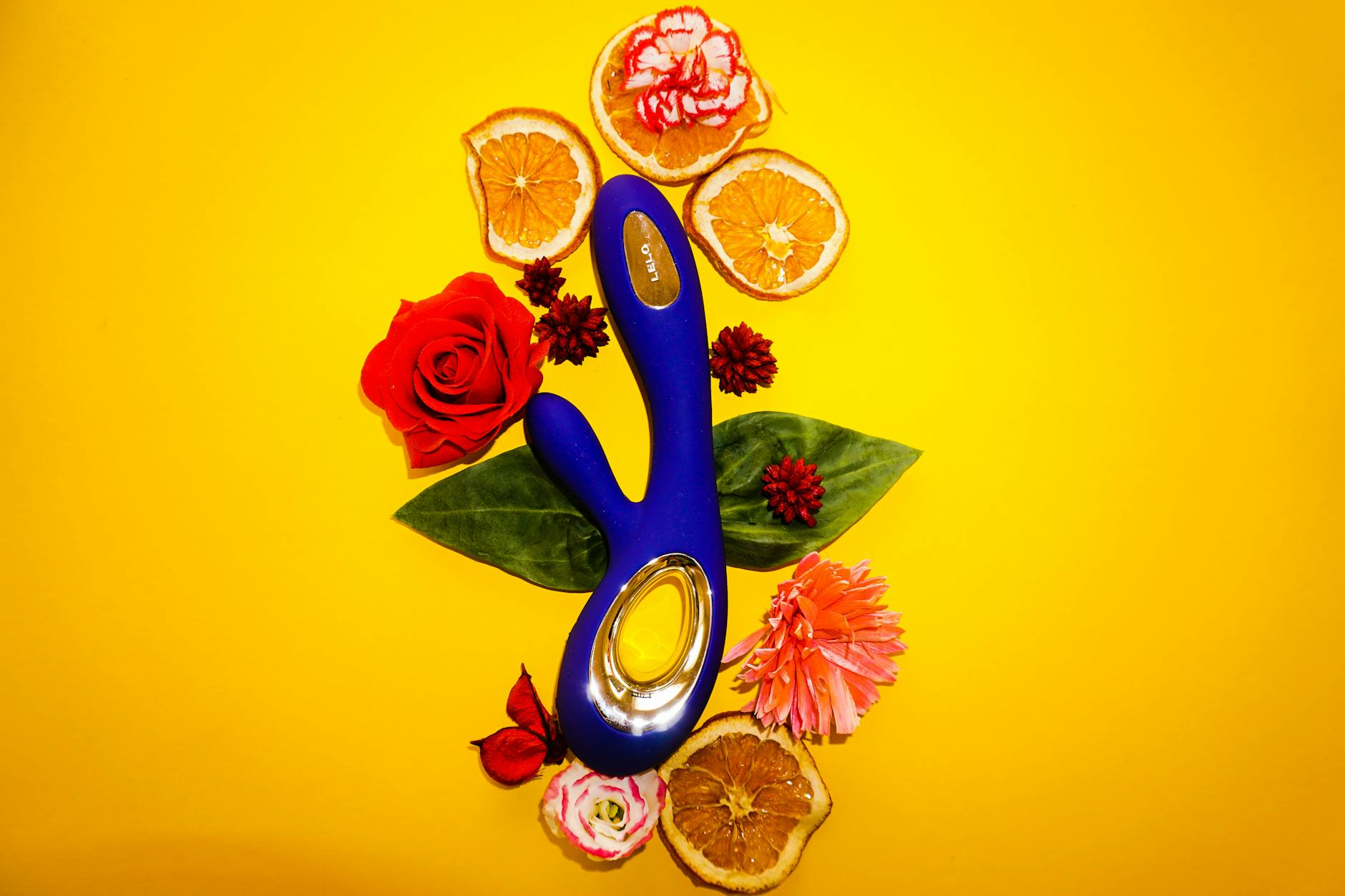
There's a reason air-suction technology (the kind Helo Nancy Lemons tools like the Lem use) feels so good for post-breakup solo pleasure. It has to do with attention and control.
When you're using a suction vibrator, the sensations are localized, specific, and entirely under your command. You set the speed. You control the pressure. You can stop instantly. That sense of agency matters psychologically when your body has just been through a transition where control felt elusive. Suction doesn't require the kind of sustained friction that can feel triggering after relationship loss. It's precise. It's clean. It's yours.
Lemon adult toys in the air-suction category also tend to have intuitive controls and a learning curve that matches your pace. You're not fighting with a device. You're collaborating with one.
The four-step reset that works
When clients are ready to restart, I recommend this framework.
Week One: Environment Only. Don't use the toy yet. Instead, spend five to ten minutes setting up a space that feels entirely yours. Not a bedroom where you fought or made up. Not a bed where they slept. A chair, a bath, a couch in a room with a door that locks. Light a candle. Put on music that makes you feel alive. The goal isn't arousal. It's ownership. This space is for you.
Week Two: Sensation Without Device. Once the environment feels right, spend time touching yourself without any vibrator. This is your baseline. Your hands. No agenda beyond noticing where sensation lives. Many people find this awkward after being partnered. That's normal. Awkwardness means you're relearning.
Week Three: Introduce the Vibrator, Low Setting. Start at setting one. Spend time on your upper thighs, inner arms, areas with fewer nerve endings than the clitoris. You're introducing your body to the device, not chasing orgasm. Some sessions will feel good. Some won't. Both are data.
Week Four and Beyond: Clitoral Stimulation, Your Pace. Once the device feels familiar on less sensitive areas, bring it to the clitoris. Start low. Stay there as long as you want. Intensity is not maturity here. A ten-minute session at setting two is a successful session.
The emotional work that goes with the physical
Let's be real: using a lemon sexual toy after a breakup isn't purely physical. Your brain is running a lot of commentary. Guilt, sometimes, if you were taught that solo pleasure is something you should want to outgrow. Grief, because your body remembers what it's like to be touched by someone else and now it's just you. Numbness, which is its own kind of grief.
All of that is normal. The device won't fix it. What it can do is give you a structure for self-care that doesn't require anyone's permission or presence. Every time you use it, you're saying: my pleasure matters enough to spend time on. That becomes a belief after a while. Not forced. Just built from repetition.
If you find yourself using the vibrator to numb instead of to feel, or multiple times daily as a way to escape thinking, that's a signal to pause. Solo pleasure should feel enlivening, not desperate.
How lemon vibrators fit into a larger rebuilding
Post-breakup recovery isn't linear. Some days you'll feel ready to date again. Some days you'll feel like you're back to week one. That's the actual rhythm of healing, not a sign you're doing it wrong.
Where solo pleasure fits is as a steady touchstone. Not the whole healing. A small ritual that says: I can feel good in my body. I can take care of myself. I deserve attention and aliveness, even (especially) when no one else is there to give it.
If you're thinking about moving toward partnered sex again, regular solo pleasure with a vibrator actually helps. It keeps your baseline sensitivity intact. It reminds your nervous system what arousal feels like. And it gives you comparison data. When you know what feels good to you in isolation, you can communicate it clearly when a partner arrives.
Photo by cottonbro studio on Pexels
The permission piece
Most of the resistance I hear isn't about the mechanics. It's about permission. You feel like you should be crying, not enjoying your body. You feel like solo pleasure is something you should have outgrown into partnered sex. You feel guilty for having a body that can feel good when the relationship didn't work.
None of that is true. Your body is allowed to feel good. Your pleasure is not a betrayal of the relationship that ended. Using a lemon clitoral vibrator isn't you giving up on partnership. It's you saying: I'm going to care for myself while I figure out what comes next.
That care is non-negotiable. The vibrator is just a tool that makes it easier.
When to reach out for more support
If you're finding that solo pleasure feels completely inaccessible (no sensation, no interest, numbness that won't lift), that's worth checking in with a therapist about. Anhedonia, the loss of pleasure capacity, is a real symptom of depression. A vibrator won't fix that. Professional support will.
If you're moving toward partnered sex again and something doesn't feel right (pain, flashbacks, aversion), those are also signals to slow down and get expert guidance.
But if you're in that in-between phase where you're healing and your body is just asking for attention? That's exactly what solo pleasure with a well-designed clitoral vibrator is for.
FAQ: Common questions about rebuilding solo pleasure
Is it normal to feel nothing when I use a lemon vibrator after a breakup?
Completely normal. Your nervous system is in transition. Numbness, in the early weeks, is a protective response. If it persists past two months and feels like depression (flatness, lack of interest in things you usually enjoy), that's worth discussing with a provider. But numbness in the first month? That's just your body being wise about pacing.
How soon is too soon to use a sex toy after ending a relationship?
There's no universal timeline. Some people feel ready at week two. Others need three months. The real question is: are you doing this to feel something, or to avoid feeling something? If it's the first, you're ready. If it's the second, give yourself more time.
Will using a lemon sexual toy prevent me from being interested in partnered sex later?
No. If anything, it helps. Solo pleasure keeps your baseline sensation intact and reminds you what arousal feels like. When a partner does come along, you'll have a clearer sense of what you like, which makes partnered sex better.
What if I feel guilty using a vibrator after a breakup?
Gilt often comes from old messaging that solo pleasure is something you should "graduate" out of once you have a partner. That's not how bodies work. Solo pleasure and partnered pleasure are different things. Both matter. Using a vibrator is self-care, not betrayal.
Should I use a lemon clitoral vibrator if penetration felt painful in my relationship?
Maybe, and carefully. Clitoral stimulation and penetration activate different nerve pathways. Many people find that clitoral pleasure feels safer and more accessible. But if penetration was painful due to a specific cause (vaginismus, pelvic floor tension, endometriosis), those issues don't disappear. It's worth discussing with a pelvic floor physical therapist before reintroducing any type of stimulation.
Can I use a lemon vibrator if I'm not interested in pleasure right now?
Yes, but differently. Skip the arousal goal. Instead, use low settings on less sensitive areas (inner arms, thighs) just to practice touch and safety. There's no requirement to reach pleasure. The goal is just reconnection with your own body as a site of sensation, not performance.
What if I'm worried I'm using the vibrator too much?
Trust your gut. If you're using it multiple times daily and it feels like escape rather than care, that's a signal to check in with yourself. Healthy solo pleasure feels integrative. It fits into your life. It doesn't become your life. If you're unsure, talk to a therapist.
Reclaiming solo pleasure after a breakup isn't about rushing back to normal. It's about building a new normal where your body is a place you trust again. That takes time. Tools like a lemon vibrator can help. But the real work is internal.
Your pleasure matters. Not eventually. Now. Even when you're still healing. Especially then.
If you have questions about navigating intimacy during life transitions, or you'd like to talk through what healthy solo pleasure looks like for you, reach out. That's what I'm here for.