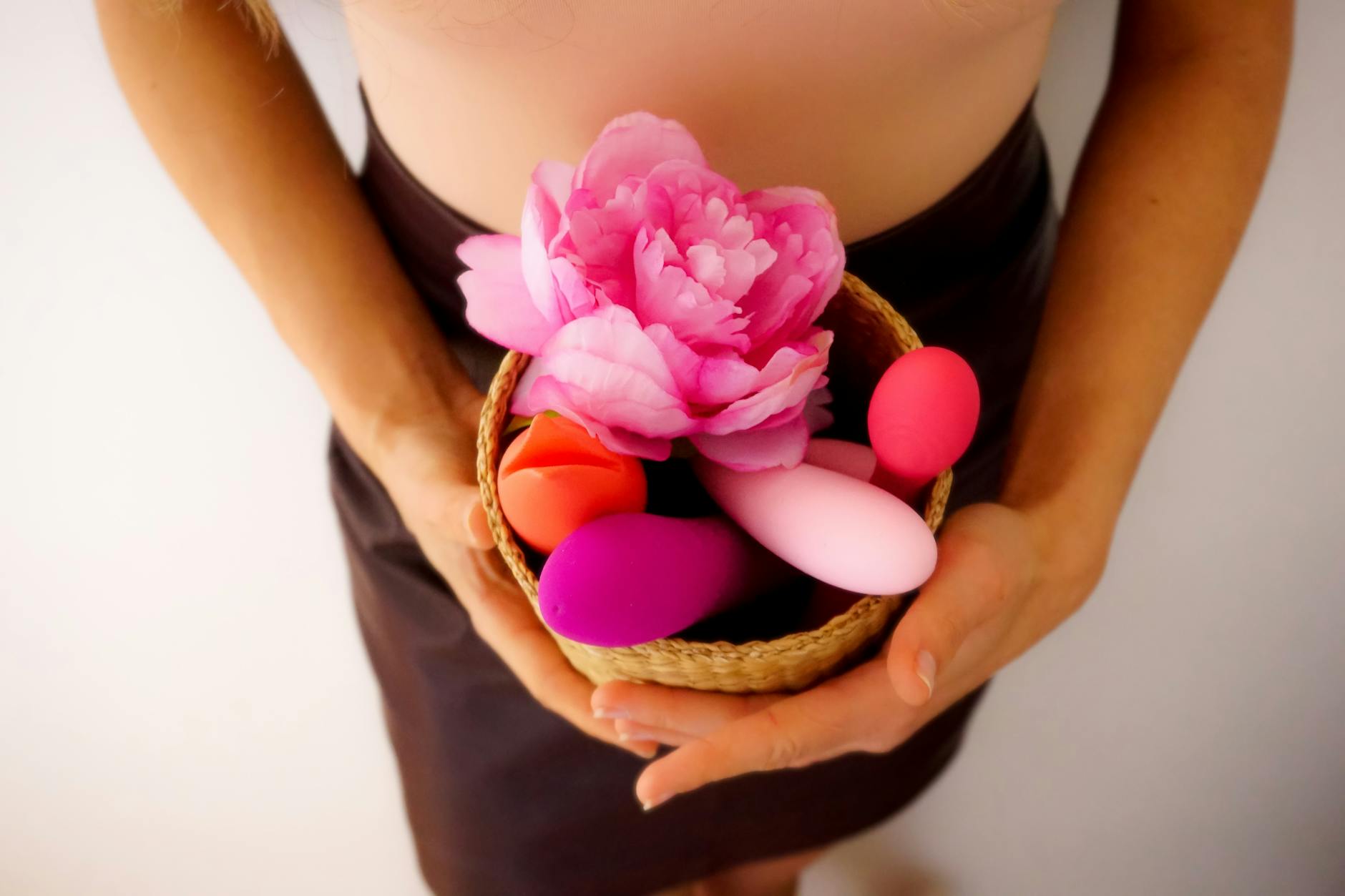
Here's what nobody mentions about temperature and pleasure
Your clitoris is exquisitely sensitive to temperature. Not in a metaphorical way. In a literal, physiological way. Cold narrows blood vessels. Heat dilates them. That shift changes how quickly arousal builds, how intense sensation feels, and how responsive your body is to a lemon vibrator or any other stimulation.
Most people chalk up seasonal shifts in desire or sensation to psychology ("winter makes me depressed") or hormones (which are real, but only part of the story). Temperature is doing heavy lifting in the background.
Why cold air shrinks your arousal window
When your body is cold, blood flow concentrates toward your core and away from your skin and genitals. This is a survival mechanism. Your clitoris gets less engorged, which means less sensitivity and a longer warm-up time before you can build toward orgasm. A lemon sucker or vibrator that felt perfect in July might feel duller in January.
This isn't a sign something is broken. Your body is doing exactly what evolution designed it to do.
The practical problem: if you're not aware this is happening, you'll compensate by turning up intensity on your Lem vibrator or pushing harder, and that often backfires. Too much intensity when tissue is less engorged can feel abrasive instead of pleasurable.
The warm-up phase becomes longer, not optional
In warmer months, many people can go from zero to arousal in 5-10 minutes. When temperature drops, budget 15-30 minutes. This isn't laziness. This is blood flow needing time to reach your genitals after being redirected to keep you warm.
Start with external warmth first. A warm shower, a heating pad on your lower belly, sitting with a warm cup of tea while you're undressing. Let your core temperature rise before you touch yourself or reach for your lemon vibrator.
Then move to manual touch. Spend 10-15 minutes on foreplay that doesn't involve any vibration. Your partner's hands, your hands, whatever builds your arousal gradually. Let blood flow reach your clitoris. Once you feel that warm, full sensation (not just intellectual interest, but actual physical engorgement), that's when a lemon clitoral vibrator becomes genuinely effective.
Cold toy syndrome is real
Silicone and glass hold temperature. If your toy is sitting in a cool room and you pick it up cold, the shock can actually numb your clitoris momentarily and make the experience feel flat or even unpleasant.
Fix this two ways. First, warm your toy. Run it under warm (not hot) water for 20-30 seconds before use. Dry it thoroughly. Second, warm yourself more than you think you need to. If you feel chilled, your toy will feel cold too.
This matters more during winter, obviously. But even in spring or autumn, a guest bedroom or unheated bathroom can be significantly cooler than your normal sleeping space. Pay attention to where temperature is shifting.
Hot rooms create different challenges
When it's very warm, blood vessels stay dilated. Your clitoris is engorged and sensitive throughout the day, which sounds ideal until you realize it means you might feel overstimulated by normal touch or need less intensity overall.
In summer or in very warm climates, this is where many people find they need to dial back what worked in winter. If you usually use settings 4-6 on your Lem vibrator, you might feel best at 2-3 when it's hot. Sensitivity increases. Friction matters more. A lemon clitoral vibrator that felt perfect now feels too much.
The trap is assuming you've lost sensation. You haven't. You've gained it. The fix isn't more intensity. It's less.
Partner timing and temperature awareness
If you have a partner, temperature sensitivity creates a practical scheduling issue. You might be most responsive in warm afternoons. They might be most responsive in the evening when the house has cooled. Neither of you is broken. You're just responding to different environmental conditions.
This is worth naming explicitly. Instead of "I'm not into this tonight" (which reads as rejection), try "I'm cold and it's taking me longer to build arousal." That opens a conversation about warming up together, changing locations, or adjusting timing. Suddenly it's collaboration instead of a mismatch.
Seasonal shifts in desire are not depression
One more thing worth separating from temperature: seasonal mood changes are real and independent. But a lot of what gets chalked up to seasonal depression is actually temperature affecting physical arousal capacity, which then affects desire. It's not "I don't want sex." It's "my body needs 20 extra minutes and a warmer room to feel ready." Once you make that shift, desire often follows.
If you notice your pleasure shifts seasonally, start tracking when and where. Is it always winter? Always in cooler rooms? Does a heating pad change things? Once you see the pattern, you can work with it instead of against it.
Practical adjustments by season
Winter and cold months: Budget longer warm-up time. Use external warmth (hot shower, heating pad) before any touch. Warm your toy and your hands. Start with lower vibration settings on your lemon vibrator. Layer clothing removal (keep something on until you're warm) instead of getting fully naked in a cold room. Keep the room temperature at 72-75°F if you can.
Spring and fall: Watch for room temperature swings between morning and evening. Afternoons tend to be warmer and you might be more responsive. Experiment with timing.
Summer and hot months: You'll likely need less vibration intensity on your Lem vibrator or nancy clitoral vibrator. Start lower and work up. Sensitivity is higher, which is good for pleasure but means less friction often feels better. Keep your toy in a cool spot (not in direct sun) to avoid it getting too hot.
One section that deserves its own attention: if you've noticed that clitoral sensation feels different with age and hormones, temperature shifts can compound or mask those changes. Older bodies often regulate temperature less efficiently, which means environmental temperature matters even more.
What's actually happening in your body
Your clitoris has thousands of nerve endings. It's one of the only body parts designed purely for sensation and pleasure. Because of that density, it responds quickly to changes in blood flow, temperature, and stimulation pattern.
Vasoconstriction (blood vessels narrowing in the cold) and vasodilation (blood vessels opening in the heat) aren't subtle processes. They fundamentally change the physical architecture of arousal. A clitoris that's fully engorged and warm feels and responds completely differently than one that's cool and partially constricted.
This is why the same vibrator, used the same way, in the same rhythm, can feel amazing one season and mediocre another. Your nervous system isn't unstable. The conditions around your body are actually different.
When temperature becomes a deeper pattern
If you notice that cold months consistently tank your desire or pleasure capacity, and warming up doesn't fully solve it, that's worth mentioning to a doctor. Seasonal affective disorder is real. So are thyroid changes and circulation issues. Temperature sensitivity is normal, but if it's severe enough to disrupt your life, that's a conversation with a healthcare provider.
The same goes if you notice you feel numb or unresponsive even in warm conditions. That might point to medication side effects, hormonal shifts, or stress (which keeps your nervous system locked in fight-or-flight and restricts blood flow to non-essential areas like your genitals). Again, normal to feel differently in different seasons. Abnormal to feel nothing for months straight.
Temperature is one tool for understanding your body. But it's not the only one. If you're frustrated with your pleasure, sometimes a lemon clitoral vibrator and a warm room fixes it. Sometimes you need to look deeper.
The simple shift that changes everything
Once you internalize that temperature changes your baseline sensitivity, you can stop treating seasonal or room-temperature shifts as personal failures. You're not less sexual in winter. Your body is just responding to a real physical change.
That reframe lets you plan instead of improvise. Warm yourself more intentionally. Adjust intensity and timing based on the season. Think of your lemon vibrator as a tool that works differently in different conditions, the way a car drives differently in rain than in sunshine.
Your pleasure isn't fragile. It's adaptive. Work with that, and everything gets easier.
People also ask
Does temperature affect how my clitoral vibrator feels?
Absolutely. Cold shrinks blood vessels and reduces sensitivity. Heat increases it. A lemon vibrator that felt intense in winter might feel too gentle in summer, and vice versa. Your toy isn't changing. Your body's baseline sensitivity is. Warm your environment and yourself before use in cold months. Dial back intensity in warm months.
Should I warm up my silicone vibrator before using it?
Yes, especially in cold weather. Run your toy under warm water for 15-20 seconds and dry it completely. Cold silicone against already-chilled tissue can feel numbing and flat. Warming it makes the sensation richer and more responsive. This matters less in hot months, but it's still good practice for comfort.
Can seasonal changes affect my ability to orgasm?
Yes. Cold narrows blood vessels, which means your clitoris engorges more slowly. Orgasm requires sufficient engorgement and blood flow. In cold months, you'll often need longer warm-up time, more foreplay, and sometimes more direct stimulation (or lower, more focused vibration) to reach orgasm. This isn't dysfunction. It's temperature affecting your baseline.
What's the best temperature for using a lemon clitoral vibrator?
Aim for a room temperature around 72-75°F when you're using any vibrator. Your body also needs to be warm. A hot shower before play, warm clothing until you're ready, or cuddling with a partner to share body heat all help. If the room is cold, no amount of vibrator settings will make up for it. Warmth first, vibration second.
Does humidity affect clitoral sensitivity too?
Less directly than temperature, but yes. Very dry air (common in winter when heating is on) can make skin feel irritated or numb. Very humid air can make sensation feel different. These effects are subtle compared to temperature, but if you're sensitive to texture or friction, humidity matters. Lube helps offset this.
Why do I feel more aroused in summer than winter?
Partly temperature (your clitoris engorges more easily), partly longer daylight (which affects mood and energy), partly biology (humans actually show seasonal patterns in sexual desire). None of this means winter pleasure is impossible. It just means you need to be more intentional. Budget time, warmth, and patience. A lemon vibrator and a heated room can make winter pleasure feel almost as effortless as summer.
The bottom line
Temperature isn't a detail. It's foundational to how your body responds to pleasure. Once you notice when and where temperature shifts affect your sensitivity, you can work with your body instead of feeling frustrated that your response is inconsistent.
Warm yourself. Adjust your technique seasonally. Give yourself more time in cold months. Use less intensity in warm months. Your pleasure will feel more predictable and richer.
If you want to dig deeper into how your body responds to stimulation shifts, how to use lemon vibrators when clitoral sensation peaks and dips mid-session covers rhythmic and cyclical changes in more detail. And if seasonal shifts feel connected to mood or desire, I'm happy to talk through that at /contact.