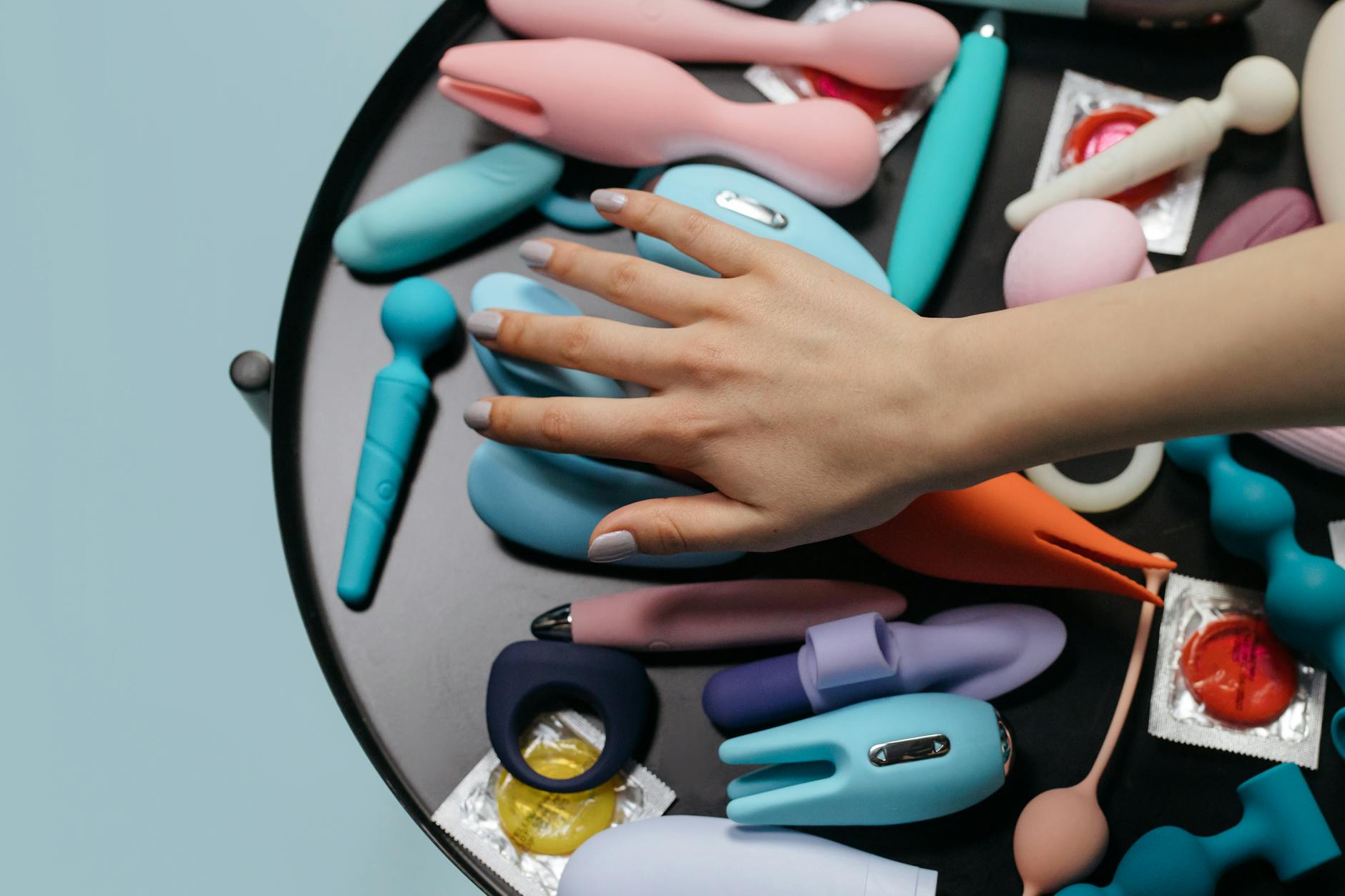
The sensitivity rollercoaster nobody talks about
You're in the middle of something good. The sensation is there, building. Then suddenly it's not. Your clitoris feels numb, distant, almost like someone turned down the volume. You shift position, change speed, try something different. And just as quickly as it vanished, the sensation roars back. Sound familiar? You're not alone. And it's not a malfunction.
This sensation peaking and dipping mid-session is one of the most common experiences people report with clitoral pleasure, yet almost nobody explains it clearly. The result: you assume something's wrong with you, when really your body is doing exactly what it's designed to do.
Why clitoral sensation fluctuates during arousal
Your clitoris is wired with roughly 8,000 nerve endings concentrated in a space smaller than a pea. This incredible density is what makes clitoral stimulation so responsive, but it also means the tissue can go into what I think of as sensory overload mode. It's not pain. It's adaptation.
Here's the chain reaction: When you apply consistent stimulation, those nerve endings fire rapidly. After about 60 to 90 seconds of steady input, the neural pathway gets temporarily less responsive. This isn't numbness in the injury sense. It's your nervous system hitting a reset button so it doesn't fry itself. The sensation doesn't disappear completely. It just shifts into the background for a moment.
Then, as soon as you pause or change the stimulus even slightly, those nerves wake back up. The sensitivity returns, sometimes even stronger than before. This cycle can repeat multiple times during a single session, and it's completely normal.
The pattern your body is following
Think of it like listening to a song on repeat. The first time you hear a lyric, it's vivid. By the tenth replay, your brain stops registering it actively, even though you're still hearing it. Then someone bumps the volume or skips to a different part, and suddenly you're locked in again.
Your clitoris works the same way. Constant pressure at the same spot, same speed, same pattern registers, then fades. A shift in any of those variables brings sensation back into sharp focus. This is why varying your approach mid-session isn't a sign you're doing something wrong. It's a signal that you're working in rhythm with your body's actual design.
A few factors make these peaks and dips more dramatic for some people than others. Stress levels, where you are in your cycle, medications, how recently you've had other stimulation, and even hydration affect how quickly your clitoris can adapt and reset. None of these are problems to fix. They're variables to understand.
How lemon clitoral vibrators work with this rhythm
This is where lemon sucker technology becomes genuinely useful. Unlike traditional vibrators that rely on consistent high-speed buzzing, air-suction devices like the Lemon Clitoral Vibrator use a different mechanism entirely. They create a gentle, rhythmic suction pattern that mimics the sensation of oral stimulation.
Because suction stimulates differently than direct vibration, you get a natural variation in sensation even when the device itself stays in one position. The suction creates a wave pattern rather than a static buzz. Your nerve endings experience that as rhythmic novelty, which means you reset less frequently and stay in a responsive state longer.
This design feature is especially valuable when your sensation naturally dips mid-session. Instead of needing to stop, change positions, or reach for a different device, you can shift the intensity on your current lemon vibrator, and that subtle change is often enough to bring sensation roaring back. The lemon sucker does the work of variation for you.
Building a pause-and-play rhythm that works
Rather than fighting the dips, you can work with them. Think of your session as having natural breaks built in. When sensation starts to fade, that's not a sign to push harder. It's an invitation to change something.
Here are the most effective shifts: Drop the intensity down by one or two settings instead of cranking up. Move the device half an inch in any direction. Pause for 5 to 10 seconds, then resume. Alternate between the suction pattern and the vibration setting if your toy offers both. Each of these creates just enough novelty to reset your nerve response without losing momentum.
Many people find that this rhythm actually deepens arousal over time. Instead of one long plateau, you get a series of small peaks. It takes longer to reach orgasm sometimes, but the sensation tends to be more layered and intense when it arrives.
Respecting the feedback your clitoris is giving you
Clitoral sensitivity fluctuations are information, not obstacles. When you learn to read them, you start understanding what your body genuinely needs in any given moment. Some days, your clitoris stays responsive for 20 minutes straight. Other days, you're managing longer cycles of peaks and dips. Both are normal.
The mistake I see most often is people interpreting a dip as a sign they should work harder or use more intense stimulation. That usually makes it worse. When sensation fades, your nervous system is telling you it needs a moment. Honoring that pause, rather than pushing through it, actually gets you to better orgasms faster.
If you're working with a partner, communication helps tremendously. Let them know that sensation fading mid-play doesn't mean something's wrong or that they're not doing it right. It means your body is having a normal responsive moment. <a href="/blog/how-to-use-lemon-vibrators-when-your-partner-wants-to-watch">When your partner wants to watch or participate</a>, this becomes even more important to name explicitly so neither of you misinterprets the rhythm.
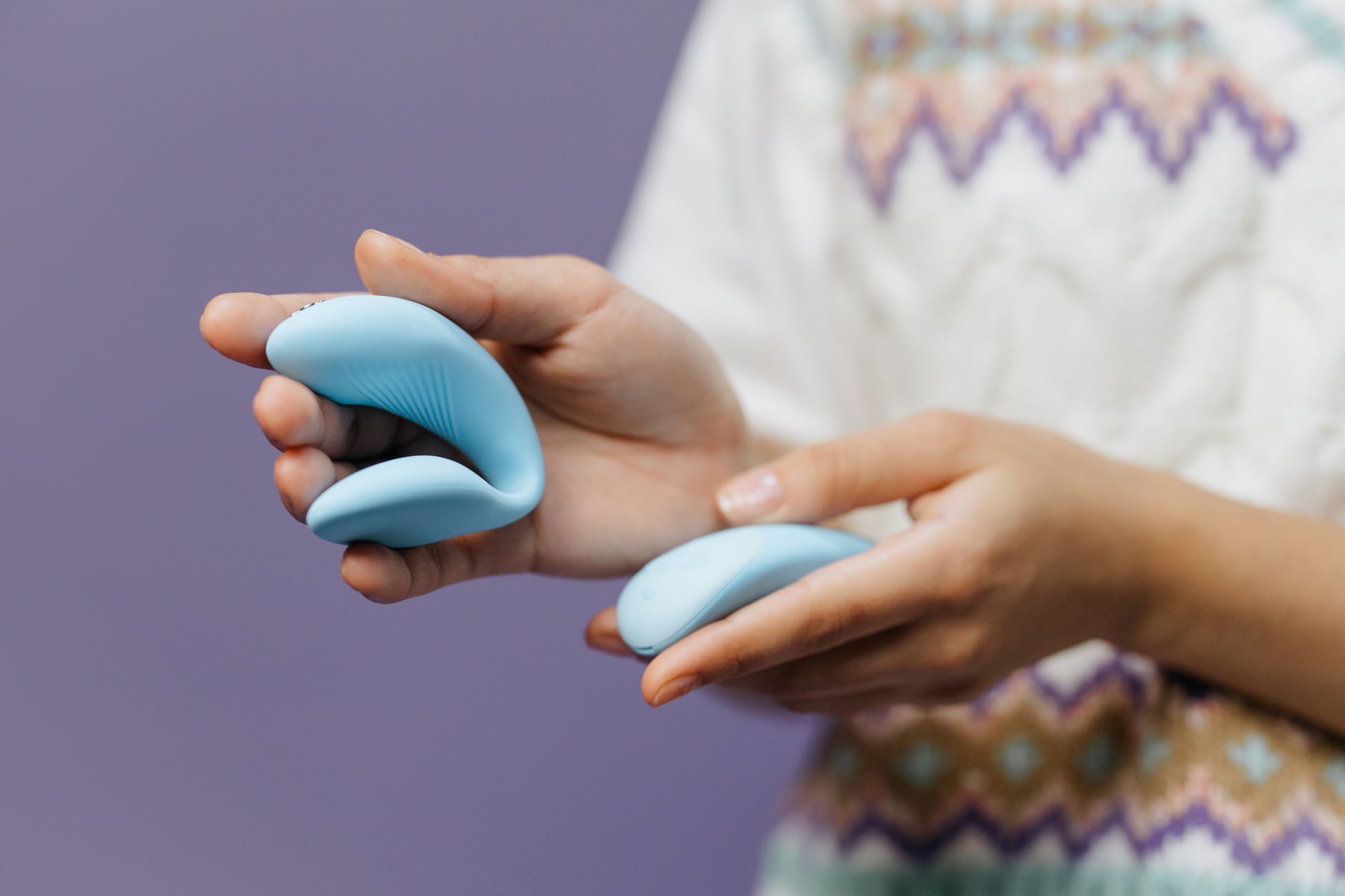
Photo by cottonbro studio on Pexels
Tuning your device settings for sustained sensation
If you're using a lemon clitoral vibrator or another suction device, most models have 5 to 10 intensity levels. Start lower than you think you need. Level 2 or 3 feels weak until your clitoris adjusts, then it becomes deeply satisfying. The advantage of starting low is that you have room to escalate when sensation dips, which gives you a natural tool to manage mid-session fluctuations.
Many people find that slowly ramping intensity every 2 to 3 minutes, rather than staying at one level, prevents the nervous system from adapting too quickly. You're giving it variation without having to manually change things. By the time you reach level 7 or 8, you've been building for a while and sensation tends to stay sharp.
When fluctuation becomes excessive
Some people experience sensation dips that are so frequent or so complete that they disrupt the entire experience. If you're going numb every 20 or 30 seconds no matter what you try, that might signal something worth exploring with a healthcare provider. Nerve-related conditions, certain medications, significant stress, or hormonal shifts can occasionally make clitoral sensitivity swing wildly.
But most of the time, when sensation peaks and dips mid-session, you're watching normal neurology in action. Your body isn't broken. Your lemon vibrator isn't the wrong choice. You're just learning the actual rhythm of your clitoris.
The bigger picture: sensation variation is your advantage
I want to reframe this completely. The fact that your clitoral sensation fluctuates isn't a limitation. It's actually a feature. It means you have a built-in reset mechanism that prevents overstimulation and keeps sensation fresh throughout longer sessions. Your nervous system is protecting your capacity for pleasure long-term.
People who experience completely flat, unchanging sensation sometimes report that orgasm becomes harder to reach over time, not easier. The variation you're experiencing keeps things alive. When you stop fighting the peaks and dips and start working with them, sessions become richer, longer, and often more satisfying overall.
FAQ: Clitoral sensation peaks and dips
Why does my clitoris suddenly feel numb even though nothing has changed?
Your nerve endings adapt to constant input as a protective mechanism. After about 60 to 90 seconds of steady stimulation, the neural pathway becomes temporarily less responsive so it doesn't overstimulate. This is normal and happens to almost everyone. The numbness isn't real numbness. It's sensory adaptation, and it's reversible the moment you pause or shift the stimulus.
Should I stop using my lemon vibrator if sensation keeps fading?
No. Sensation fading is a sign to change something, not to stop. Shift intensity, move position slightly, pause for a few seconds, or switch between settings if your device offers multiple patterns. A lemon clitoral vibrator is actually ideal for this because the suction creates natural variation even when stationary, so you can adjust without reaching for something else.
Does this happen to everyone or just me?
This happens to most people with clitorises, though the intensity and frequency vary. Some people notice it a lot. Others have longer responsive stretches with fewer dips. Both are completely normal. Factors like stress, cycle day, hydration, and what other stimulation you've had recently all influence how pronounced the fluctuations are.
How can I tell the difference between normal sensation dips and a medical issue?
Normal dips come and go predictably within a session and return quickly when you change the stimulus. If your clitoris stays numb regardless of what you try, or if numbness happens suddenly in everyday life and not just during sexual activity, check in with a gynecologist or your doctor. Most mid-session dips are just your nervous system working as designed.
Is my partner doing something wrong if my sensation fades during partnered play?
Not usually. It's your body's normal response, not a reflection of what they're doing. Communication helps a lot here. Explain that sensation fading is temporary and happens even during solo play, so they don't feel rejected or think they need to work harder. Often, the best response is a pause, a small change in position or speed, and continuing.
Can I train my clitoris to stay responsive longer?
You can't override the adaptation reflex, but you can work with it more skillfully. Varying your approach as sensation dips trains your nervous system to stay engaged longer overall. Starting at lower intensities and slowly ramping up, rather than going hard immediately, also extends responsive stretches. <a href="/blog/how-to-use-lemon-vibrators-when-you-skip-orgasm-for-extended-pleasure">Building extended sessions without rushing to orgasm</a> teaches your body to manage these fluctuations naturally.
Moving forward with your clitoris
Clitoral sensation that peaks and dips mid-session isn't a sign you need a different device, different technique, or a different body. It's feedback from your nervous system about how it's actually wired. Once you understand that, you can stop interpreting fluctuation as failure and start using it as information.
Your lemon vibrator isn't failing you. Your clitoris isn't broken. Your body is following its own completely normal script. The next time sensation fades, take it as an invitation to pause, shift something small, and let sensation come back stronger. That's not a workaround. That's you, finally, working in sync with your own design.
If you want to explore this further or have questions about what your body's doing, <a href="/contact">get in touch</a>. I'm here to help you understand your own pleasure, not change it.