The gap nobody talks about
You come back together and something's off. Maybe you've been apart for months. Maybe it's been three weeks. Maybe it's just that life got loud and intimacy got quiet. The script says it should be easy to resume, like resuming a Netflix series. The script is lying.
When couples reconnect after any significant gap, the body often needs permission before the mind catches up. Desire doesn't automatically switch back on. Touch can feel unfamiliar. The nervous system is confused about whether to relax or protect itself. You're not broken. You're not unattracted. You're just stuck in a normal human friction point that nobody teaches you how to navigate.
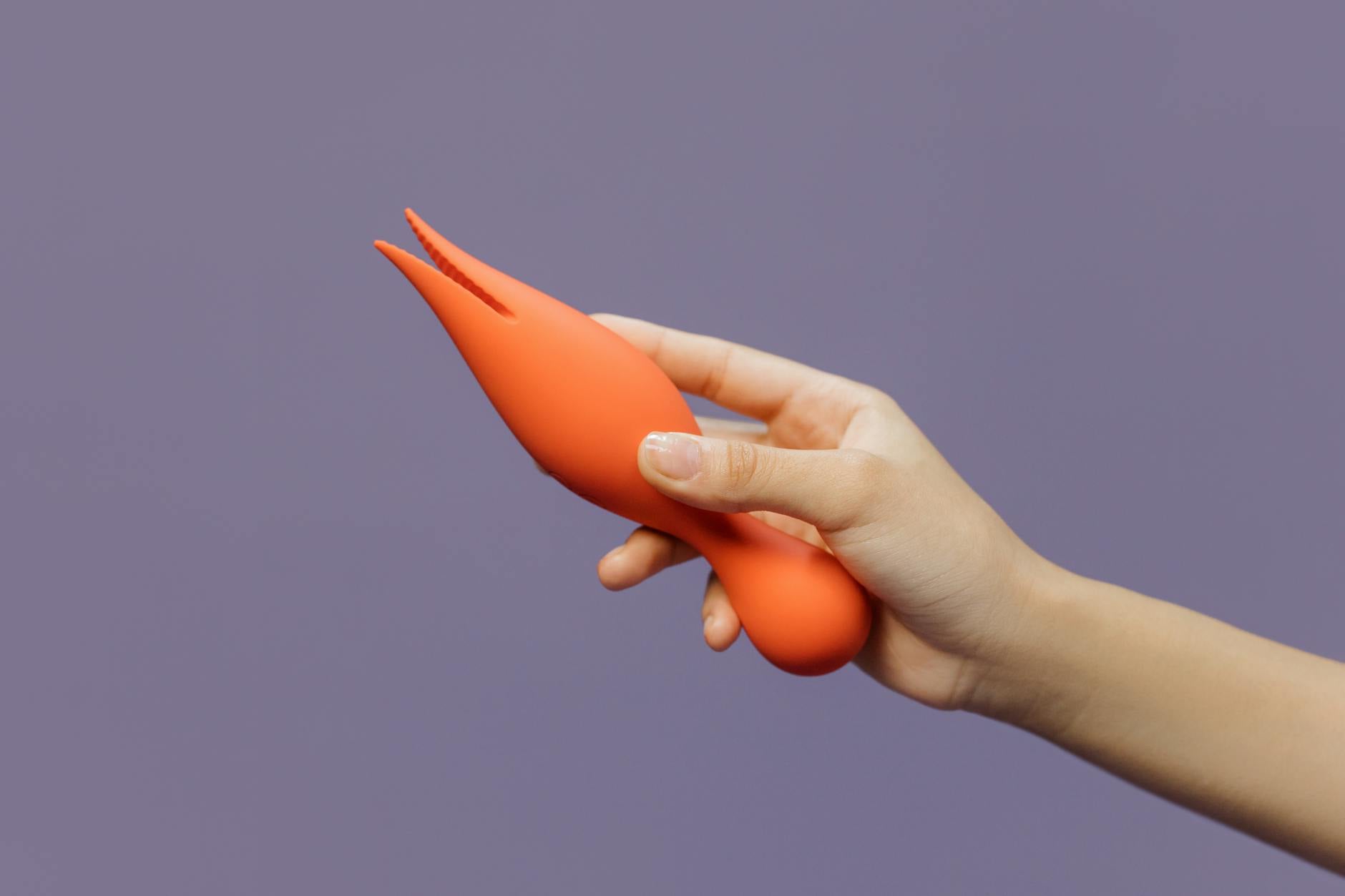
This is where lemon clitoral vibrators become unexpectedly useful. Not because they're magic, but because they solve a specific problem: they give your body a way to remember pleasure on your own terms, without the pressure of coordinating with another person.
Why the body gets stuck after a gap
Here's the physiology in plain terms. When you're separated or intimate life goes dormant, your nervous system downregulates arousal. This is protective. It stops you from being frustrated all the time. It's actually good design.
But it also means that when you try to restart things, your body doesn't immediately respond the way it used to. Blood flow takes longer to arrive. Lubrication builds more slowly. The clitoris, which is basically a cluster of nerve endings, needs time to wake up and remember what it's supposed to do.
Add in the emotional piece. If the gap came from conflict, you're carrying tension. If it came from logistics (one partner traveling, health stuff, kids disrupting everything), you're carrying resentment or exhaustion. Your brain is running a background program called "should we be doing this?" while your body is trying to figure out if it's safe to let go.
Lemon vibrators short-circuit this particular jam. They let you access pleasure solo first. Then, when you're reconnected to your own sensation, the shared experience becomes easier.
The neuroscience of solo reconnection
When you use a lemon clitoral vibrator alone, you're not managing anyone else's pace or presence. You're teaching your body that pleasure is still available. That's not insignificant.
The clitoris has about 8,000 nerve endings in a tiny space. When stimulated properly, those nerves send signals to multiple parts of your brain. Pleasure pathways light up. The amygdala, your threat-detection center, gets quieter. Your vagus nerve, which governs your ability to relax and trust, activates.
Essentially, you're rebuilding the neurological pathway that says "this body is capable of pleasure and it's safe to feel it." Once that pathway is reactivated, partnered intimacy becomes less loaded. You're not trying to turn on while also managing someone else's expectations or presence. You're remembering your own capacity first.
Then, when your partner is involved, you've already done the baseline work. Your nervous system isn't starting from a cold boot.
The specific advantage of suction-based stimulation
There's a reason lemon vibrators specifically help with reconnection. They use gentle suction rather than direct vibration. This matters when your body has been offline.
After a gap, direct vibration can feel too intense. Your tissues are more sensitive. Your nervous system is trying to figure out if this is pleasure or threat. Suction, by contrast, feels gentler on first approach. It's a broader sensation that doesn't require the same level of nervous system readiness.
Starting with a lemon sucker on the lowest intensity setting gives your body time to remember what pleasure feels like without jolting you. You can stay with it for 10-15 minutes, letting sensation build gradually. That slow rebuild is exactly what the nervous system needs after dormancy.
Once you've reconnected solo, you and your partner can introduce the lemon clitoral vibrator into partnered time. The sensation is already familiar. Your body has already said yes to it. Now it's just a tool for deepening something that's already restarted.
The conversation you actually need to have
Here's the piece that matters more than the vibrator itself. Before you jump back in, you need to talk to your partner about the gap.
Not "I want to have sex again." That's a statement of logistics. Talk about what the gap meant. Talk about whether both people want to rebuild. Talk about what felt wrong and what you want to feel different this time.
Then talk about using lemon vibrators together. Not as a sign that something's wrong with either of you. As a tool that makes reconnection easier. Plenty of couples use them from the very beginning. Using them after a gap isn't admitting defeat. It's being smart about what your nervous systems actually need.
If your partner is hesitant, check out how to use lemon vibrators with a partner who prefers not to watch. Shyness is normal. Reluctance is addressable.
Starting the solo part
Set aside 20-30 minutes when you know you won't be interrupted. Somewhere private. Somewhere you can actually relax.
Start on the lowest setting. If you're using a lemon clitoral vibrator, begin with the suction cup maybe 1-2 inches away from the clitoris, letting sensation build. You're not looking for an orgasm right now. You're looking for the signal that pleasure is still accessible.
If it takes 15 minutes to feel something, that's normal. If you don't orgasm that first time, that's also normal. The goal is habituation. You're teaching your nervous system that this is a safe, available source of sensation.
Over the course of a week or two, do this 2-3 times. Each time, your body will respond a bit faster. Each time, the sensation will feel more familiar. Then you're ready to loop your partner back in.
The partnered restart
When you're ready, you can introduce your partner in a few different ways.
One option: use the lemon vibrator solo while your partner is present but not touching you. They can be lying next to you, holding your hand, or just nearby. The presence of their body helps your nervous system remember that intimacy is mutual.
Another option: they use it on you. This requires more vulnerability, but it's also more intimate. You're both present for the sensation. You're both actively choosing to engage.
A third option: use it together, then transition to partnered sex. The arousal from the vibrator carries into the shared experience, which makes everything easier physiologically.
If you're new to using vibrators altogether, there's a detailed guide on how to use them without overthinking. But if you've used them before the gap, your muscle memory will come back quickly.
The timeline is yours
There's no rulebook that says reconnection should take two weeks or two months. Some couples rebuild intimacy in days. Others need longer. If you've been apart for a long time or if the gap came from conflict, go slower. Your nervous system isn't being coy. It's just being cautious.
Use the vibrator as many times as you need to feel like your body is yours again. Then bring your partner back into the picture. There's no rush. The whole point of using lemon clitoral vibrators is to remove pressure from the reconnection process, not to accelerate it.
Intimacy after a gap doesn't have to be awkward or forced. It just needs patience and the right tools. A good vibrator and honest conversation about what you both want will get you there.
People also ask
How long does it take to reconnect sexually after being apart?
It varies wildly depending on why you were apart and how your nervous system handles transitions. Some couples reconnect within days. Others need weeks. The key is to not treat this as a problem to solve quickly. You're not trying to get back to normal. You're building something new that acknowledges the gap and moves forward anyway. Using a lemon clitoral vibrator solo first removes the time pressure and lets reconnection happen at your body's pace, not your schedule's pace.
Can using a vibrator alone actually help with partnered intimacy?
Yes, completely. When you're comfortable with pleasure on your own terms, partnered sex becomes less loaded. You're not trying to turn on while also managing someone else's presence or expectations. You're bringing an already-activated nervous system to the interaction, which makes everything easier. It's not a workaround. It's preparation.
Is it okay to use a lemon vibrator if my partner feels insecure about it?
It's worth talking through their insecurity directly. Often, partners worry that using a vibrator means they're not enough. That's almost never true. The vibrator does one thing. Your partner does everything else. They're not in competition. If the conversation stays stuck, this post on using vibrators with a partner who feels self-conscious addresses the reverse situation but the communication strategy applies both ways.
What if reconnection doesn't happen, even with a vibrator?
A vibrator is a tool for rebuilding physical sensation. But if the gap came from relational conflict, emotional distance, or fundamental incompatibility, the vibrator won't fix that. Those are relationship conversations, potentially with a therapist. A vibrator helps the body remember pleasure. It doesn't heal what the mind needs to process.
Should we use the vibrator the first time we reconnect?
No. The first time back together, focus on touch and presence. Let your bodies remember each other without tools. Then, in subsequent sessions, introduce the vibrator if arousal is slower to build or if you both feel stuck. Using it from the very beginning can feel performative. Using it as a bridge after you've already tried to reconnect feels natural.
How do I bring this up if we've never used toys before?
Framing matters. Instead of "I want to use a vibrator," try "Reconnecting feels harder than I expected. I'd like to try something that might make this easier for both of us." That's honest. That puts the vibrator in context. A lemon vibrator, especially one like those from Helo Nancy Lemons, is simple and intuitive. It's not intimidating. Showing your partner a picture or description before the conversation helps. It's concrete. It's not mysterious.
What actually heals the gap
A lemon sucker won't fix a broken relationship. A vibrator won't make someone care more. But when the gap was logistical, when the relationship is solid, and when both people want to reconnect, these tools absolutely matter.
They give your body permission to feel pleasure again. They remove performance pressure. They make the nervous system's job easier. That's not nothing. That's actually everything.