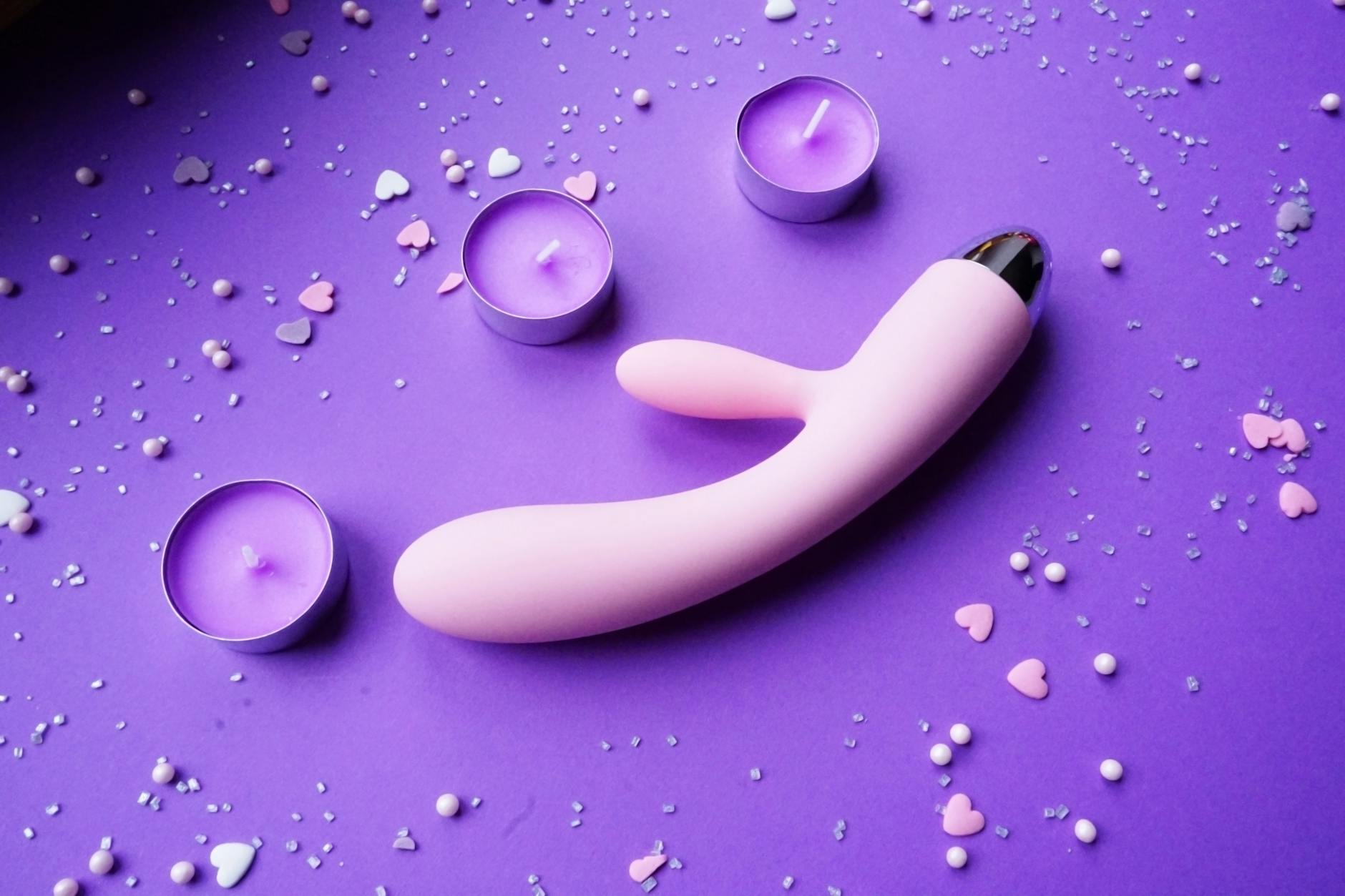
The medication sensitivity problem nobody talks about
Let's be real. You started a new antidepressant, blood pressure med, or anxiety drug, and somewhere between week two and week four, you noticed your clitoris stopped showing up to work. Not entirely. Just... quieter. Duller. Like someone turned the volume down on sensation itself.
You're not broken. This is a documented side effect. And it's fixable.
How medications numb sensation
Three classes of drugs commonly affect genital sensation: SSRIs and SNRIs (the most common antidepressants), certain blood pressure medications like ACE inhibitors and beta-blockers, and some antihistamines. They work through different mechanisms, but the end result is similar. They either reduce blood flow to genital tissue, blunt the nervous system's ability to transmit pleasure signals, or both.
Your clitoris has around 8,000 nerve endings. When medication dampens the signal traveling along those nerves, sensation doesn't disappear. It becomes muffled, like hearing a conversation through a wall. You know it's happening. You just can't feel the texture of it anymore.
This is especially frustrating because unlike perimenopause or pelvic floor dysfunction, you can't see it coming. You made a rational choice for your mental health, and now pleasure feels inaccessible. That's not fair. And it's absolutely worth solving.
Why traditional vibrators struggle with numbed sensation
A standard vibrator uses direct mechanical vibration. It buzzes. Fast, high-frequency vibration can sometimes feel good even when sensation is muted, but often it just feels like buzzing. Nothing more. It doesn't wake up the deeper nerve pathways that medication has quieted.
This is where lemon vibrators change the game. Lemon clitoral vibrators like the Lem use suction instead of simple vibration. Suction creates a gentle pulling sensation that stimulates nerves differently. Rather than asking numbed nerves to register rapid mechanical movement, suction engages the tissue itself, drawing it upward and creating pressure changes that can penetrate deeper.
Think of it this way. If your sensation is muted, traditional vibration is knocking softly on a thick door. Suction is opening the door. The signal reaches deeper tissue and travels a different neural pathway.
How suction wakes up numbed sensation
When you use a lemon sucker vibrator on numbed tissue, three things happen at once.
First, suction increases blood flow to the clitoral area immediately. Better circulation means more oxygen reaching the tissue, which can help restore nerve sensitivity over time. This happens in real time, during use, not just eventually.
Second, the pulling sensation stimulates deeper nerve clusters that standard vibration often misses. Your clitoris extends internally, and suction can reach those internal nerve pathways. Medication may have muted surface sensation, but deeper nerves often respond better.
Third, suction provides consistent stimulus without fatigue. With a vibrator, you can go numb to the vibration itself after thirty seconds if sensation is already dulled. Suction pressure changes don't create the same adaptation. Your nervous system keeps responding to each pulse.
The medication angle matters
Different drugs create different kinds of numbness. If you're on an SSRI, numbness often comes with delayed orgasm too. The suction effect can help bridge that gap, creating sensation you can actually feel while you're waiting for the orgasm itself to build. Orgasm might still take longer, but at least pleasure is present in the meantime.
If you're on a blood pressure medication, the issue is often reduced blood flow. Here, suction is doing direct work. It's literally pulling blood into the area while simultaneously stimulating nerves. Many people report that using a lemon vibrator in these circumstances feels like waking up a sleeping limb.
If you're on an antihistamine or anticholinergic drug, you're dealing with nervous system dampening. Suction still works, but you may need to spend more time building stimulation and give yourself permission to stay with it longer than you did before medication.
What to expect when you start
The first time using a lemon clitoral vibrator after sensation loss, you might feel almost nothing for the first minute or two. This is normal. Your body is relearning how to respond. Set an intention to spend at least 5-10 minutes, no goal of orgasm, just exploration.
Start at the lowest suction setting. The Lem, for example, has multiple intensity levels. Resist the urge to jump to high intensity. Lower intensity allows you to feel the subtle pleasure first. High intensity can feel overwhelming to already-confused nerve pathways.
If you're used to orgasming easily, this part is hardest. You're asking yourself to slow down, to stay present with sensation that feels muted, and to trust that it will build. It almost always does. But it requires patience that traditional vibration use didn't demand.
The timeline for recovery
Don't expect instant sensation restoration. But many people report improvement within two to three weeks of regular use. Not because the medication has changed. But because you've given your nervous system a new kind of stimulus, and consistent stimulation helps rewire sensitivity even when medication is still affecting your baseline.
If you're already thinking about switching medications or adjusting your dose for sexual side effects, that conversation is worth having with your prescriber. But in the meantime, a lemon vibrator isn't a band-aid. It's addressing the problem directly.
When to talk to a doctor
Most medication-induced numbness is manageable with lemon clitoral vibrators and patience. But if numbness is complete, if there's pain alongside it, or if it's affecting your mental health further, bring it to your GP or sexual health specialist. They can check whether the medication itself is the culprit or whether something else is happening.
Sometimes a simple dose adjustment helps. Sometimes switching to a medication in the same class but with fewer sexual side effects makes a difference. And sometimes the answer is exactly what you're already doing: using a lemon sucker vibrator and giving your body time.
Your pleasure matters. Not eventually. Now. You deserve sensation, even if medication has made it harder to feel. A lemon vibrator isn't a workaround. It's the tool that actually works when everything else feels stuck.
People also ask
Does numbness from antidepressants go away on its own?
Sometimes, but slowly. Sexual side effects from SSRIs often persist as long as you're on the medication. Some people adapt over time, but for many, sensation stays muted. That's not a reason to stay stuck. Adjusting technique, using tools like lemon clitoral vibrators, or talking to your prescriber about alternatives often work faster than waiting for adaptation that may never come.
Can I use a lemon vibrator if I'm on multiple medications?
Yes. Each medication may contribute to numbness, but a lemon sucker vibrator's mechanism works regardless. The suction and improved blood flow help activate sensation that multiple medications have dampened. If you're on many medications and concerned about interactions or other side effects, mention it to your doctor, but using a vibrator itself won't interact with any pills.
How long should I use a lemon vibrator to see results?
Most people notice subtle improvement in sensitivity within two to three weeks of regular use, a few times per week. Real, noticeable change often takes four to six weeks. This isn't the medication working differently. It's your nervous system relearning how to register and respond to stimulus. Consistency matters more than intensity here.
Is suction really better than vibration for medication-related numbness?
For most people, yes. Suction stimulates deeper nerve pathways and increases blood flow in ways vibration alone can't. That said, your body is unique. Some people respond well to a combination: starting with suction, then adding vibration on top. Experiment and notice what wakes you up fastest.
What if a lemon vibrator doesn't work?
If you've tried a lemon clitoral vibrator consistently for six weeks and sensation hasn't improved, talk to your prescriber. You might benefit from dose adjustment, medication switching, or additional treatment like topical testosterone cream. Numbness is treatable. You might just need a different approach alongside the vibrator.
Can I use a lemon vibrator with my partner if sensation is numb?
Absolutely. In fact, involving your partner can help. They can control intensity, take pressure off you to "perform," and offer the emotional presence that often matters as much as physical sensation during medication-related changes. Check out how to use lemon vibrators with partners if you want practical communication tips.