
Let's start with the honest part
Introducing a lemon clitoral vibrator into partnered sex is not a referendum on your relationship. It's not a sign that something is broken. It's actually the opposite: it's a conversation that means you're both curious enough and brave enough to explore together. And here's what I've seen in my practice for two decades: that conversation often leads to real intimacy, not awkwardness.
But you have to do it right. Which means you can't just leave a vibrator on the nightstand and hope they get the hint. You also can't launch into it mid-sex. You need a plan.
Why the hesitation makes sense
I hear this fear constantly. "He'll think I'm not satisfied." "She'll feel replaced." "It's going to make things weird." Here's the thing: your partner is probably already thinking about this. They're just waiting for you to bring it up first.
The hesitation usually comes from a few myths we all absorb about sex and desire. The first one is that bringing in a tool means something is wrong with your partner. It doesn't. A lemon vibrator isn't a replacement for penetration or intimacy. It's a plus sign, not a substitution. The second myth is that good partners shouldn't need anything external. They should just be enough. This is false, and it's also wildly unfair. Your partner probably uses a toothbrush, coffee, and a shower. None of those make them less capable of caring for themselves. A vibrator works the same way.
The third myth is that introducing it will kill the spontaneity. Actually, the conversation often unlocks more spontaneity because now you both know what's on the table.
When to have the conversation
Timing matters. Not because the conversation is fragile, but because you want your partner's full attention.
Do not do this right after sex. They're relaxed and maybe drowsy, and they might not take you seriously. Do not do this during sex or right before. It changes the dynamic in ways that serve no one. Do not do this via text or in the car or while one of you is distracted.
Do this on a normal day when you're both present. Afternoon coffee. A walk. Dinner at home, no screens. The moment when your partner is genuinely listening but there's zero pressure. You want them to hear you, not just react.
How to actually start the conversation
Here are conversation openers that work. Pick one and adapt it to your voice.
"I've been thinking about trying something new in the bedroom, and I want to talk to you about it before we do anything." Simple. Direct. No shame.
"I found this toy I'm really curious about, and I'm pretty excited about it. I wanted to bring it up because I want to try it together, not alone." This one says: I'm interested in you, and I want you involved.
"I read that a lot of people use this vibrator called a lemon clitoral vibrator, and it actually sounds amazing. Have you ever thought about toys?" This positions it as curiosity, not desperation.
Avoid: "I'm not getting enough from you." "I need this." "Don't you want to satisfy me?" These make the vibrator sound like a complaint instead of a tool.
Your tone matters as much as your words. You want curious. You want playful. You want open, not defensive. If you bring shame to the conversation, they'll bring it back.
What to actually say when they respond
Their first response might be silence. Let them sit with it for a few seconds. Don't fill the gap with more justification. Silence doesn't mean no. It means processing.
If they say, "Why do you want that?"
Answer honestly: "I'm curious what it feels like." "I think it could feel really good." "I want to explore more together." You're not defending yourself here. You're explaining genuine interest.
If they say, "Will you still want me?"
This is the real question underneath, even if they don't say it directly. Answer it directly: "I want you. This is something we're doing together. A vibrator doesn't change that." And mean it.
If they say, "I don't know how to use something like that."
Perfect. You've just found the actual barrier. Offer to explore it together. "We can figure it out. Let's look at it together. There's no wrong way." Remove the performance pressure. It's not an audition. It's two people learning something.
If they say, "Yes, I think that could be fun."
Don't oversell it. Don't make it into an elaborate production. Just say: "Cool. Let's grab one and try it whenever feels right."
How to introduce it without making it a big deal

Photo by cottonbro studio on Pexels
So the conversation is done. You've both agreed to try it. Now what?
Don't wrap it up like a gift and present it with ceremony. That adds pressure. Instead, have it there the next time you're in bed together. If you're building toward sex, you might say, "Want to try that thing we talked about?" And let them say yes or wait for another moment.
Or you might bring it up as you're getting intimate. "I'm excited to try this. You good?" Keep checking in. "Does this feel good?" "Want to keep going?" The check-ins are not awkward. They're hot. They're the opposite of performance pressure.
Start with lower settings. Let them hold it or guide it. This isn't about you proving something. It's about both of you learning what works. Some people come faster with a vibrator. Some people need to adjust the angle or pressure. Some people find it works better with a hand job or oral sex happening at the same time.
The lemon clitoral vibrator, specifically, uses gentle suction instead of heavy vibration. This is helpful for people who find traditional vibrators too intense. It's also just a different sensation, which can be part of the appeal. Mention that when you introduce it: "This one works differently. It's supposed to feel really good."
What happens if they say no
Some people will. That's their right.
If they say no, ask why. There might be a legitimate barrier. Maybe they had a bad experience with a toy before. Maybe they have privacy concerns or religious beliefs. Maybe they just prefer sex without it. All of these are acceptable. Don't keep pushing.
But also don't internalize it as rejection of you. Their no to the vibrator is not a no to you. You can still have a great sex life without external tools. And if this is really important to you, you might explore it alone, which is also completely valid.
Where this becomes a bigger issue is if they say no and then get angry at you for asking. That's not about the vibrator. That's about how they respond when you express desire, and that's worth exploring with a couples counselor.
After the first time
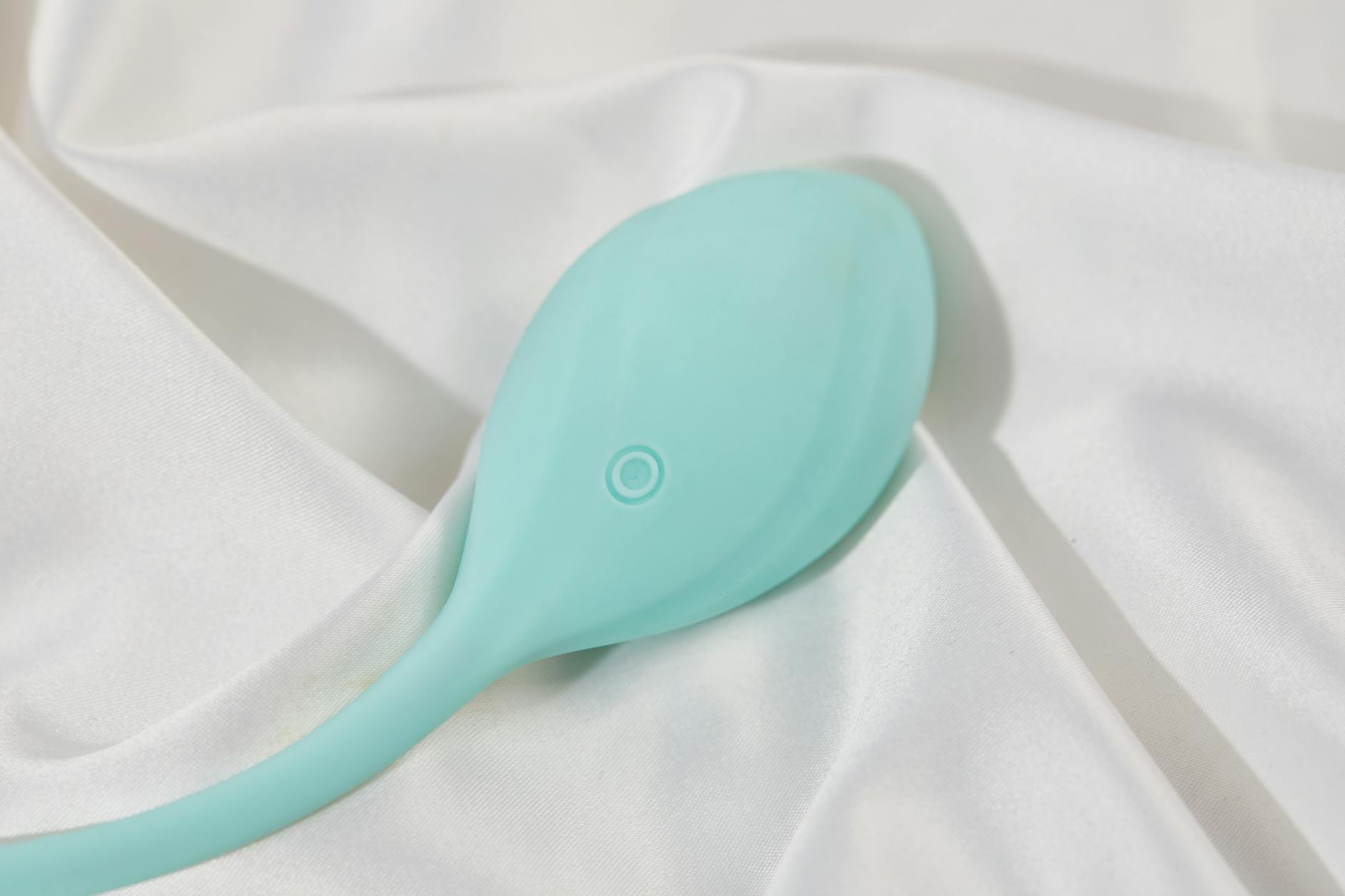
Photo by IFONNX Toys on Pexels
You might both love it immediately. You might also need to adjust. Maybe the angle wasn't right. Maybe they want to try something different. Maybe you realized you wanted to incorporate it differently. This is normal.
Check in afterward, not during. "That was fun. Did you enjoy it?" "Want to try anything different next time?" These conversations are where real intimacy lives. You're learning each other's bodies and desires in real time.
Some couples find that introducing a vibrator opens the door to other conversations. "What else have you been curious about?" "Is there something you've always wanted to try?" These are beautiful conversations. They mean you're building a shared sexual life together, not just checking boxes.
If the vibrator becomes a crutch (meaning one of you only wants sex if it's involved, or it starts feeling like a requirement), that's worth examining. But that's rare. Most of the time, it's one tool among many. Some nights you use it. Some nights you don't. Both are fine.
When communication about sex actually strengthens a relationship
Here's what I've observed: couples who can talk about desire, even awkwardly, have stronger relationships across the board. Not just sexually. They're better at asking for what they need at work. They're better at apologizing. They're better at being honest about their feelings. The conversation about a vibrator is practice for bigger conversations.
You're teaching each other that it's safe to want something. That it's safe to ask. That desire isn't shameful. And that your partner can hear something vulnerable from you without making it about them. That's massive.
So yes, the conversation might feel uncomfortable. You might stumble over your words. Your partner might need a minute to process. But on the other side of that discomfort is a deeper connection, and probably better sex. That trade is worth it every time.
People also ask
Can I use a lemon vibrator if my partner is uncomfortable with vibrators?
Yes, absolutely. A vibrator doesn't require partner approval to use. If your partner is uncomfortable with you using one alone, that's a different conversation about body autonomy and trust. You have the right to explore your own pleasure. You might also ask your partner what specifically makes them uncomfortable. Sometimes it's a misunderstanding that a real conversation can clear up.
Will my partner feel inadequate if I want to use a lemon clitoral vibrator during sex?
Probably not. But they might have that fear. This is why the conversation is so important. You're naming the tool before using it, which removes the shock. You're also making it clear that this is something you want to do together, not instead of them. Partners usually feel better about toys when they're involved and informed.
What if my partner wants to use the vibrator on me but I'm self-conscious?
Remember: they want to. They're not examining you. They're focused on what feels good. If self-consciousness comes up, you might start by using it yourself while they watch, or using it in lower light, or focusing on sensation instead of visuals. But also know that most of that self-consciousness is in your head. Your partner is probably just excited to learn what makes you feel good.
How do I know if a lemon vibrator is the right choice for my partner?
The lemon clitoral vibrator uses gentle suction instead of traditional vibration, which makes it less intense for sensitive bodies and often more pleasurable for people who find heavy vibration overwhelming. If your partner has ever mentioned that vibrators feel too strong, or if they have a sensitive clitoris, this is a solid choice. You can also ask them: "Have you ever used a vibrator before? What did you like or not like?" That conversation gives you real information.
What if we try the vibrator and it's awkward?
Awkwardness during sex happens to everyone. You're in a vulnerable position, literally and emotionally. Laugh it off. "That was weird. Let's try something different." Some of the best sex moments come from tiny failures that you both find funny. Give yourself permission to be imperfect.
How often should we use a lemon vibrator once we've started?
There's no should here. Use it whenever it appeals to you. Some couples use it every time. Some use it occasionally. Some buy one and then don't use it for six months and randomly bring it back. All of these patterns are normal. Let it be a tool you reach for when you feel like it, not an obligation.
The real takeaway
Introducing a lemon vibrator into partnered sex is not complicated. The conversation might feel vulnerable, but vulnerability with a partner is the foundation of good sex and good relationships. You're not awkward for wanting to explore. You're thoughtful for wanting to do it together. That's the real message to lead with.
If you're still uncertain about how to navigate this conversation with your partner, consider reaching out to a couples therapist who specializes in intimacy. Sometimes having a neutral third party in the room makes these talks easier. You can also check out our guides on building emotional intimacy in relationships to explore deeper connection beyond just physical pleasure.
Your partner probably wants this conversation too. They're just waiting for you to be brave enough to start it.