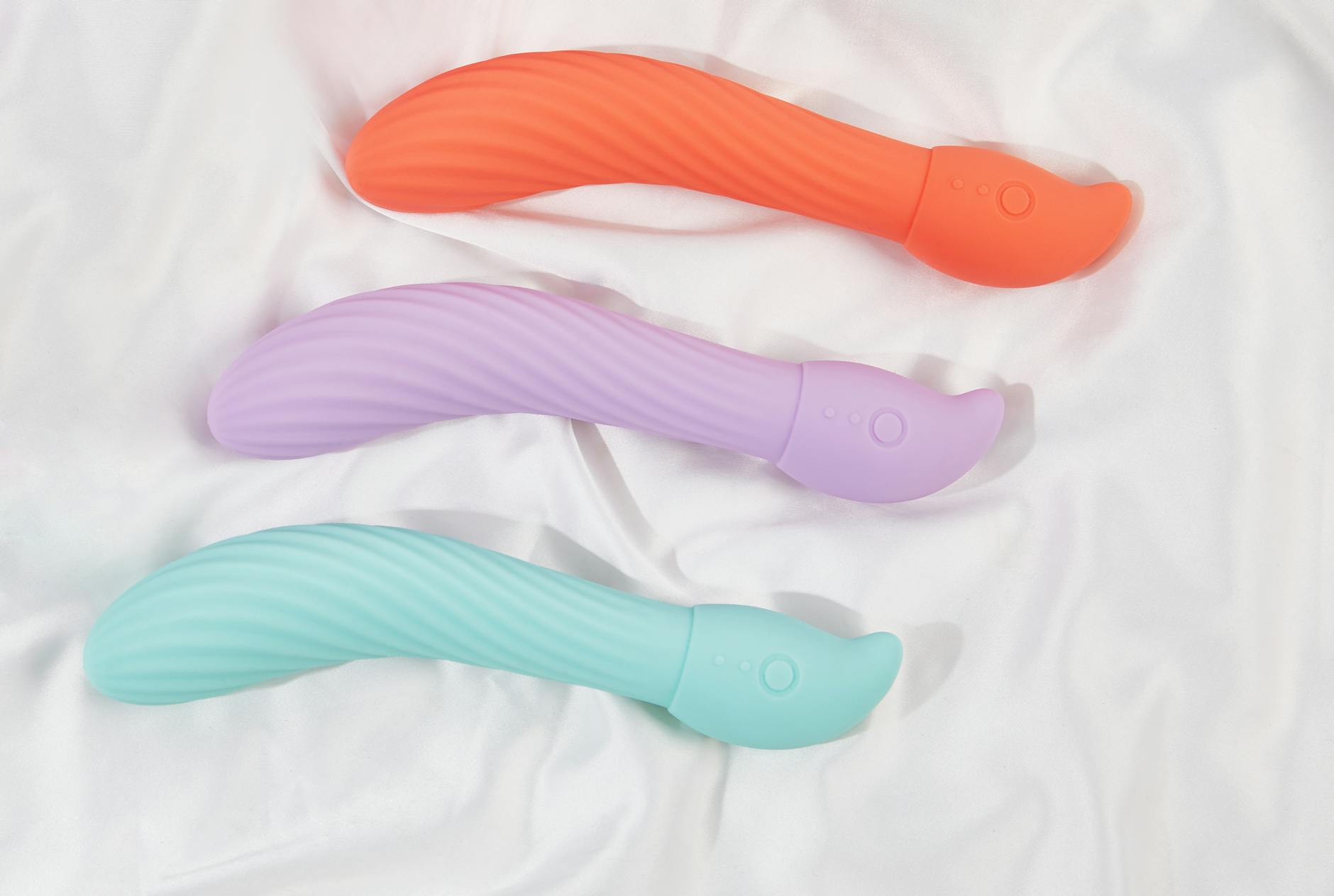
How to Use Lemon Vibrators With Partners Without Awkwardness
Let's be real. Most people don't introduce a vibrator to a partner because they're afraid of one thing: "Will they think I'm not satisfied with them?"
That question sits in your chest for weeks. You plan the conversation four different ways. You delete the text message draft. And then nothing happens, because the awkwardness you're imagining feels worse than the pleasure you're missing.
Here's what I know from twenty years of couples therapy. That fear is almost never what actually happens when you bring it up.
Why partners resist vibrators (and it's not what you think)
Most partners don't hate the idea of using vibrators together. What they hate is the story they tell themselves about what it means.
If you spring a vibrator on someone out of context, their brain writes a narrative in real time: "They want this because I'm not doing it right." Or: "They've been faking it." Or: "This is coming from somewhere else, and I wasn't included in the decision."
None of those stories are usually true. But they feel true because the conversation happened silently, inside their head.
When you introduce lemon vibrators to your partner with actual words, you bypass that whole script. You get to write the real story together instead.
The conversation you actually need to have
Start here. Not with the vibrator. With curiosity about what they want.
"I've been thinking about trying something new together, and I want to know what you'd feel good about." That's the opener. It signals three things: you want to include them, you're not making unilateral decisions about your joint experience, and you care about their comfort.
Their response will tell you everything. If they say "I'm not sure," you're not rejected, you're invited to explore together. If they say "Absolutely," you move forward. If they say "That's not for us," you listen to what that actually means.
Most people in healthy relationships will say some version of "Let's talk about it." Which is the whole point.
What to say next
"I want to feel more sensation during sex. I've read that a lot of people use vibrators for that. I'm interested in trying it." Full stop. You're not saying they're failing. You're saying you want something, and you've researched a tool that might help.
Then, crucially: "I'd rather do this with you than alone. But I want to know how you feel about it first."
That second part matters. It tells your partner that this is a shared experience, not a solo project you're inviting them to watch.
How to handle the resistance that might come up
If your partner says "I don't know," ask what specifically feels uncertain. Is it the vibrator itself? The idea of using it during sex? The feeling that something's wrong?
Most often, the resistance is not about the object. It's about a feeling. And you can't solve a feeling with a product description.
You solve it with time and trust. "I'm not asking for an answer right now. I just wanted to bring it up so you know what I'm thinking. We can talk more about it whenever you're ready."
Then drop it. Actually drop it. Don't bring it up again unless they do.
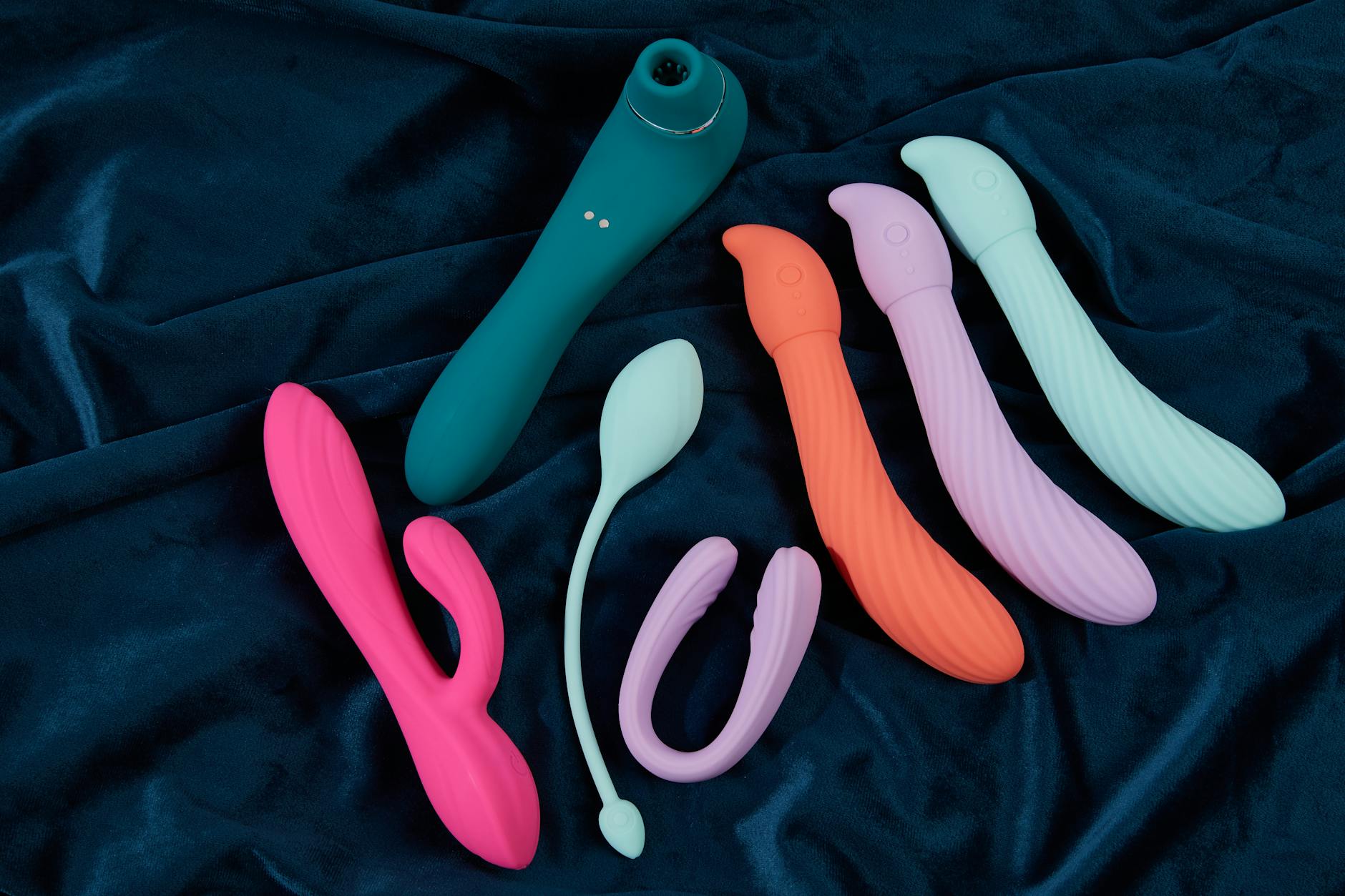
Photo by IFONNX Toys on Pexels
Most people who initially resist will circle back when they've had time to sit with it. They'll realize the story they told themselves isn't what they actually feel. And then they'll be curious.
When they're curious, here's what works
Show them the actual thing. Not in a clinical way. In the way you'd show them something you're genuinely excited about.
Let them hold a lemon clitoral vibrator. Feel the weight. See how the suction actually works. This transforms it from an abstract idea into something tactile and real. The shame that lives in abstraction doesn't live in reality.
Tell them how you've researched why this particular tool works. If they're interested in the science, explain that lemon vibrators use suction rather than direct vibration, which feels different and often more intense. If they're not interested in that, skip it.
Then ask what feels doable. "Would you want to be there while I use it? Would you want to help? Would you want to wait and see how it goes first?"
They might say "I want to use it on you." In which case, you've just unlocked something. They're not feeling replaced. They're feeling included. That's the whole point.
The first time you actually use it together
Go slow. Not because you're nervous, but because you're learning how this feels for both of you.
Start with conversation in the moment. "How does this feel?" "Want me to adjust the angle?" "Should I go faster, or does this feel good?"
Your partner is watching you have pleasure. That's not a threat to them. That's exactly what they signed up for. Most people find that watching their partner enjoy something is genuinely hot.
If the first time feels awkward, that's normal. You're both adjusting to something new. The awkwardness usually disappears by the third or fourth time, when it stops feeling novel and starts feeling like part of your routine.
What to do if the awkwardness doesn't disappear
Sometimes it doesn't. Sometimes your partner feels genuinely uncomfortable with vibrators in the relationship, and that's their actual boundary.
That's information. Not a failure. Information.
You then get to decide what matters more. Some people decide that the vibrator isn't worth the tension. Others decide that access to this kind of pleasure is worth having a conversation about what's underneath the discomfort.
I can't tell you which one is right for you. That depends on your relationship, your needs, and how much emotional work both of you are willing to do.
But here's what I know. The conversation that feels impossible usually takes five minutes once you actually start it. And the pleasure on the other side of that conversation is almost always worth it.
Why lemon vibrators specifically work for partners
I mention lemon vibrators specifically because the suction design makes a real difference in how partners experience using them together.
Unlike traditional vibration, suction stimulates the clitoris without requiring direct contact. That means less friction, which often feels gentler and more intense at the same time. For partners watching, it also looks less mechanical and more like natural sensation.
If you're exploring this with a partner who's been hesitant, starting with a clitoral vibrator that feels less clinical can actually help. It's less about "performance" and more about pleasure.
FAQ: Real questions people ask about vibrators and partners
What if my partner thinks a vibrator means they're not enough?
That's a fear you might have for them. Usually, the partner themselves doesn't think that. They think it once you say the word "vibrator," because now they're story-writing in real time.
Prevent that by starting with conversation, not with the object. "I want to explore my pleasure more, and I think this might help both of us. What do you think?" Inclusion dissolves the fear.
Is it weird to use a vibrator during partnered sex?
Not weird. Super common. Partners often use vibrators during penetration or during foreplay. Some couples use them specifically because they allow the penetrative partner to focus on other sensations while the receiving partner gets the clitoral stimulation they need.
You might find that using a lemon vibrator during sex actually makes the experience better for both of you, because everyone's getting what feels good.
What if my partner wants to use the vibrator on me, but I prefer doing it myself?
Tell them that. "I actually like the control of doing this myself. But I'd love you to be there." That's the full conversation. Some partners will feel a little left out at first, and then they'll realize that being present while you explore your pleasure is its own kind of intimacy.
Should we use the vibrator every time we have sex?
No. Some people use vibrators sometimes. Others use them all the time. There's no rule. If you find that you only orgasm with the vibrator, that's not a problem. That's your body's preference. Use it.
How do I know if my partner is actually okay with this or just saying yes?
You'll know by how they engage with it. If they're genuinely okay, they'll eventually bring it up themselves. They'll ask questions. They might even want to explore other things.
If they're just saying yes to keep you happy, they'll go quiet about it. They'll say "whatever you want" instead of "this is what I want." That's when you circle back: "I'm noticing you seem quiet about this. What's actually going on?"
Can using a vibrator together improve our sex life?
Sometimes. If the issue is that you're not getting the stimulation you need, then yes, absolutely. If the issue is that you and your partner aren't connecting emotionally, a vibrator will make that clearer, not fix it.
But the conversation you have about the vibrator? That often improves your sex life. Because you've practiced talking about what you want. And that skill is worth more than any toy.
The part nobody talks about
Introducing a vibrator to your partner is actually a practice round for bigger conversations. How to talk about what you want. How to ask for something without shame. How to hear "no" and stay connected.
Most long-term couples don't struggle with vibrators. They struggle with vulnerability. And vibrators just make that obvious.
If you can have a real conversation about what you want sexually, you can have a real conversation about money, kids, family, and all the things that actually matter.
So start there. Not with the lemon vibrator. With the words. "I want to talk about something I've been thinking about." That's all you need.
Everything else follows.
If you're looking for more guidance on building intimacy with your partner, our guide on how to introduce lemon vibrators without awkwardness breaks down the conversation step by step. And if you're dealing with anxiety around sexuality in your relationship, learning how vibrators help with anxiety during sex might help you understand what's actually underneath the resistance.