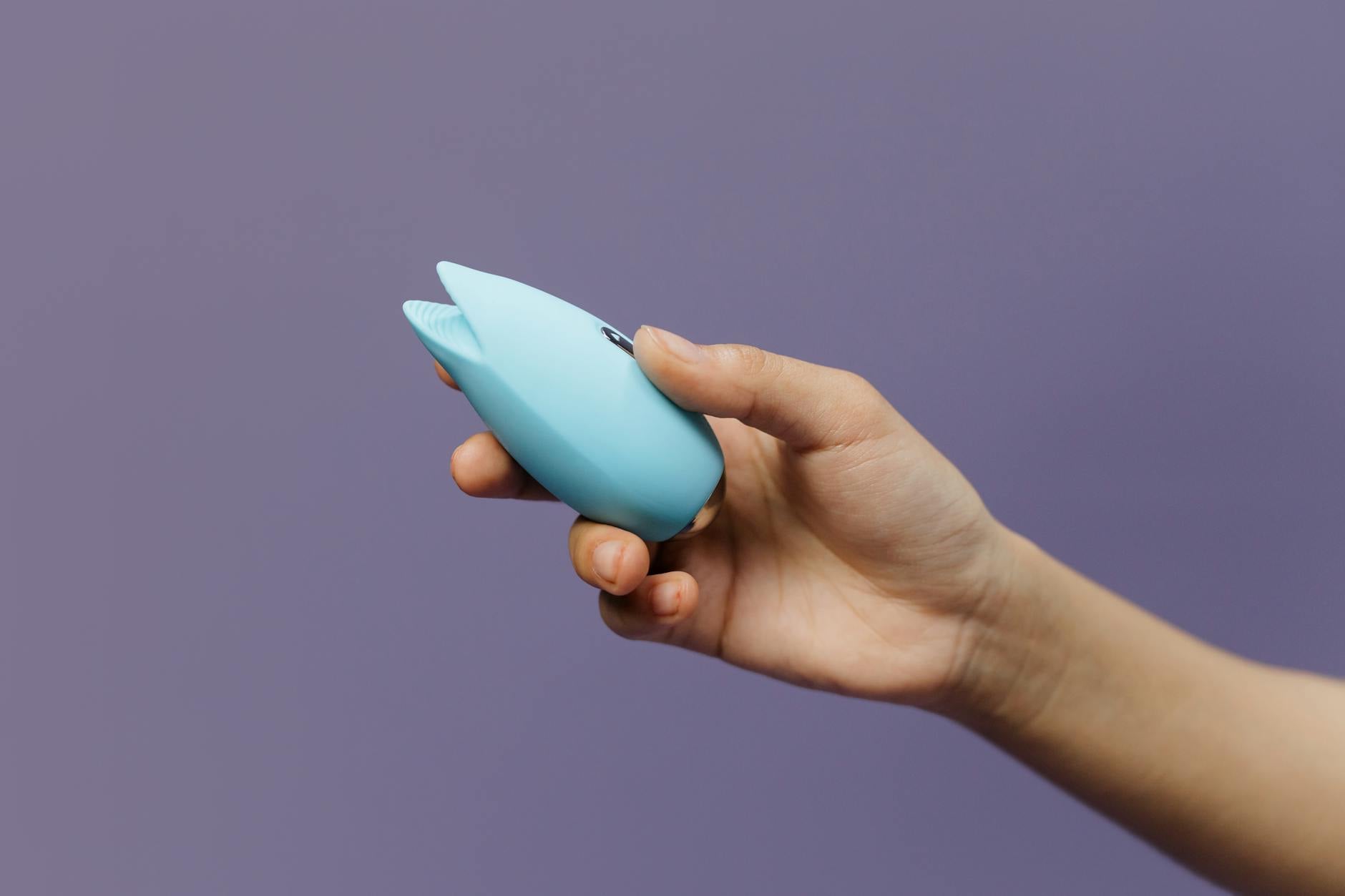
Let's be real about perimenopause and pleasure
Perimenopause is not menopause. It's the in-between phase where your body starts signaling that hormone levels are shifting, but you might still get a period. Or you might not. Or you might, then you won't, then suddenly you will again. The variability is the whole thing.
And that variability changes how pleasure feels.
The good news? Lemon vibrators, especially air-suction models like the Lem, are specifically designed to work with bodies in transition. You don't need to wait until menopause is "official" to start adjusting how you use them. In fact, starting now, during perimenopause, often makes the whole experience smoother.
What actually changes during perimenopause
Your estrogen levels are fluctuating wildly. Some days they're high, some days they're plummeting. This isn't a straight line downward. It's a jagged, unpredictable descent spread across 4 to 10 years.
Here's what that fluctuation does to your body:
Tissue thickness varies. The vulva and vaginal tissue can thin slightly, but because your hormones are still surging at certain points in your cycle, some days feel completely normal. Other days feel more sensitive or drier. This is one of the most confusing parts because you can't predict it day to day.
Arousal patterns shift. You might notice that you need more time to warm up, or that your arousal feels less urgent than it used to. This isn't low desire. It's a recalibration. Your brain and body are learning to respond to stimulation differently.
The clitoris becomes more sensitive in some ways, less responsive in others. The nerve density doesn't change, but blood flow and hormonal signaling do. Some people report that direct vibration feels too intense during high-hormone phases, but feels perfect during lower phases.
This is where lemon clitoral vibrators shine. Air-suction technology doesn't rely on direct friction. It uses gentle suction and pulsing patterns to stimulate the broader clitoral network, which means it adapts better to tissue sensitivity fluctuations than traditional vibration.
Why perimenopause timing matters for pleasure
You've probably heard about the menstrual cycle and pleasure sensitivity. That pattern intensifies during perimenopause because your hormones are more volatile.
If you still have a cycle (even an irregular one), notice when in your cycle you feel most responsive. Some people find that the luteal phase (the two weeks leading to their period) feels more sensitive but also more easily overwhelmed. The follicular phase (after the period) often feels more neutral and easier to warm up to.
During perimenopause, that contrast gets sharper. Tracking your own patterns for two or three months gives you real data about when your body wants what kind of stimulation.
This is especially useful for adjusting your lemon vibrator technique. If you know you're in a high-sensitivity phase, starting at a lower suction intensity and spending more time with patterns 1-2 prevents overstimulation. You're working with your body's temporary state rather than fighting it.
How to adjust your lemon vibrator use during perimenopause
Lemon vibrators are flexible tools, but they need slight tweaks depending on where you are hormonally.
Start lower, go slower. Don't jump straight to intensity 5. Begin at 1 or 2 and notice what your body wants. Because hormones are fluctuating, what felt perfect last week might feel too strong this week. There's no shame in scaling back.
Extend your warm-up time. During peak hormone phases, you might climax in 8 minutes. During lower phases, you might need 20. Both are normal. Both are still pleasurable. The lemon sucker's gentle pulsing patterns actually help during longer warm-ups because they don't fatigue the area the way constant buzzing can.
Use lubrication more generously. Even if you never needed it before, perimenopause sometimes requires more. Water-based lube is your friend. It's not a sign of dysfunction. It's an adjustment.
Experiment with pattern variation. The Lem has multiple pulse patterns. During high-hormone phases, try the gentler, slower patterns. During lower phases, more complex patterns often feel more stimulating. You're not looking for one "right" pattern. You're building a toolkit.
Pay attention to positioning. As your body changes, the angle that felt perfect might shift. The suction mechanism of a lemon clitoral vibrator is forgiving enough that small adjustments (side to side, more or less pressure) can completely change the sensation without switching to a new toy.
The emotional piece that nobody talks about
Perimenopause isn't just hormonal. It often arrives alongside other midlife shifts. Career uncertainty, aging parents, changing relationships, body image worries. Your nervous system is processing a lot.
When you're anxious or stressed, your clitoris gets less blood flow. This isn't because your lemon vibrator stopped working. It's because your entire body is in a slightly defensive posture. Pleasure requires a certain amount of relaxation and permission.
One thing I recommend to people navigating this phase: separate the conversation about your body from the conversation about your desire. "My pleasure response is slower" is different from "I don't want this anymore." Confusing them leads you down a frustrating path where you blame your body for something that's actually about overwhelm or disconnection.
Taking 10 minutes to settle your nervous system before you use your lemon vibrator makes a measurable difference. A few breaths, a moment of quiet, or even a short walk can shift you from sympathetic (fight or flight) to parasympathetic (rest and digest). That's where pleasure lives.
When to talk to a doctor
If you develop actual pain during stimulation or sex, that's worth mentioning to your GP. Genitourinary syndrome of menopause (GSM) is real and increasingly common in perimenopause, not just menopause. It's treatable.
If you're experiencing vaginal dryness that persists despite lubrication, topical estrogen can help. If arousal or desire has tanked completely and it's causing real distress in your life, that's also worth discussing.
What's important: you don't have to wait until menopause is "officially" diagnosed to address these things. Perimenopause counts.
The practical timeline
Start paying attention now to how your pleasure feels. Use a lemon vibrator (or whichever clitoral vibrator you prefer) and notice what changes week to week. This gives you real baseline data.
If you're new to air-suction models like the Lem, starting during perimenopause is actually ideal because you're already in a phase of adaptation. You're not locked into old patterns. You're experimenting anyway.
Expect that what works today might need adjustment in three months. That's not failure. That's your nervous system doing its job.
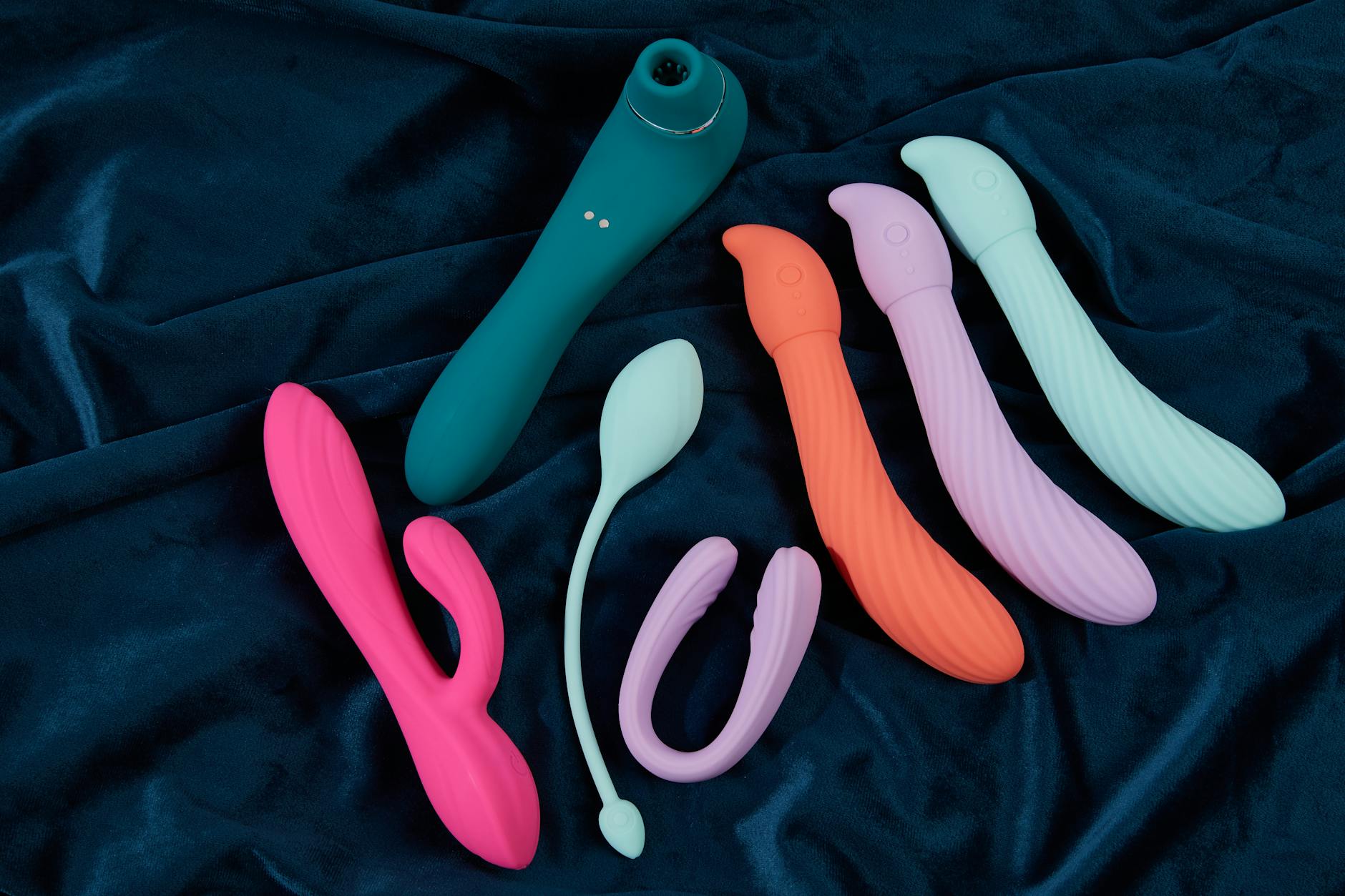
Photo by IFONNX Toys on Pexels
FAQ: Your perimenopause and lemon vibrator questions answered
Will a lemon vibrator work differently during perimenopause than before?
Yes. Because your hormones are fluctuating, your body's response to stimulation varies throughout your cycle. Some days a lemon clitoral vibrator might feel perfectly calibrated. Other days you might need lower intensity or longer warm-up time. Air-suction technology like the Lem is actually well-suited to this because it doesn't rely on direct friction, so small adjustments in how you position it can shift the sensation without changing devices.
Should I switch devices during perimenopause?
Not necessarily. But if your old device suddenly feels too intense or not intense enough, it's worth experimenting. Some people find that why lemon clitoral vibrators work better for sensitive skin helps them understand whether the issue is the device itself or the temporary state of their body.
How much longer will it take to orgasm during perimenopause?
It varies wildly. You might find you're faster during high-estrogen phases and slower during lower phases. The Lem's multiple patterns help here because you can match the pattern to where you are hormonally rather than forcing one approach. Some people add 5 minutes to their warm-up time. Others add 20. Track your own pattern and adjust expectations accordingly.
Is dryness during perimenopause permanent?
Not necessarily. During high-estrogen days in your cycle, natural lubrication might return completely. Using water-based lube during lower-estrogen phases doesn't mean you've lost the ability to produce your own. It's a temporary adaptation. That said, if dryness is persistent and uncomfortable, talk to your doctor about whether topical estrogen might help.
Can I use my lemon vibrator more frequently during perimenopause?
Yes, as long as you're paying attention to tissue response. Some people find that using their lemon sucker more frequently actually helps with arousal, because they're building a routine and their body learns to respond more readily. Others find that backing off slightly helps because they're giving their nervous system less stimulation overall. There's no universal rule. Listen to what your body needs.
Is it normal to need different intensity levels on different days?
Completely normal. This is literally what perimenopause is. Your hormones are in flux, and your body's sensitivity fluctuates accordingly. A lemon clitoral vibrator with multiple intensity settings is helpful for this exact reason. You're not broken. You're navigating natural variability.
The bottom line
Perimenopause changes some things. It doesn't end pleasure. In fact, many people find that once they stop fighting their body's shifting needs and start working with them, the quality of pleasure deepens. You know yourself better. You're less concerned with performance. You're willing to experiment and adjust.
A lemon vibrator, especially one designed for suction rather than straight vibration, adapts beautifully to a body in transition. Start lower than you think you need. Give yourself more time. Use lubrication without shame. Notice your own patterns.
Your pleasure matters now just as much as it ever did. Your body is simply asking you to pay closer attention. That's not a burden. It's an invitation.