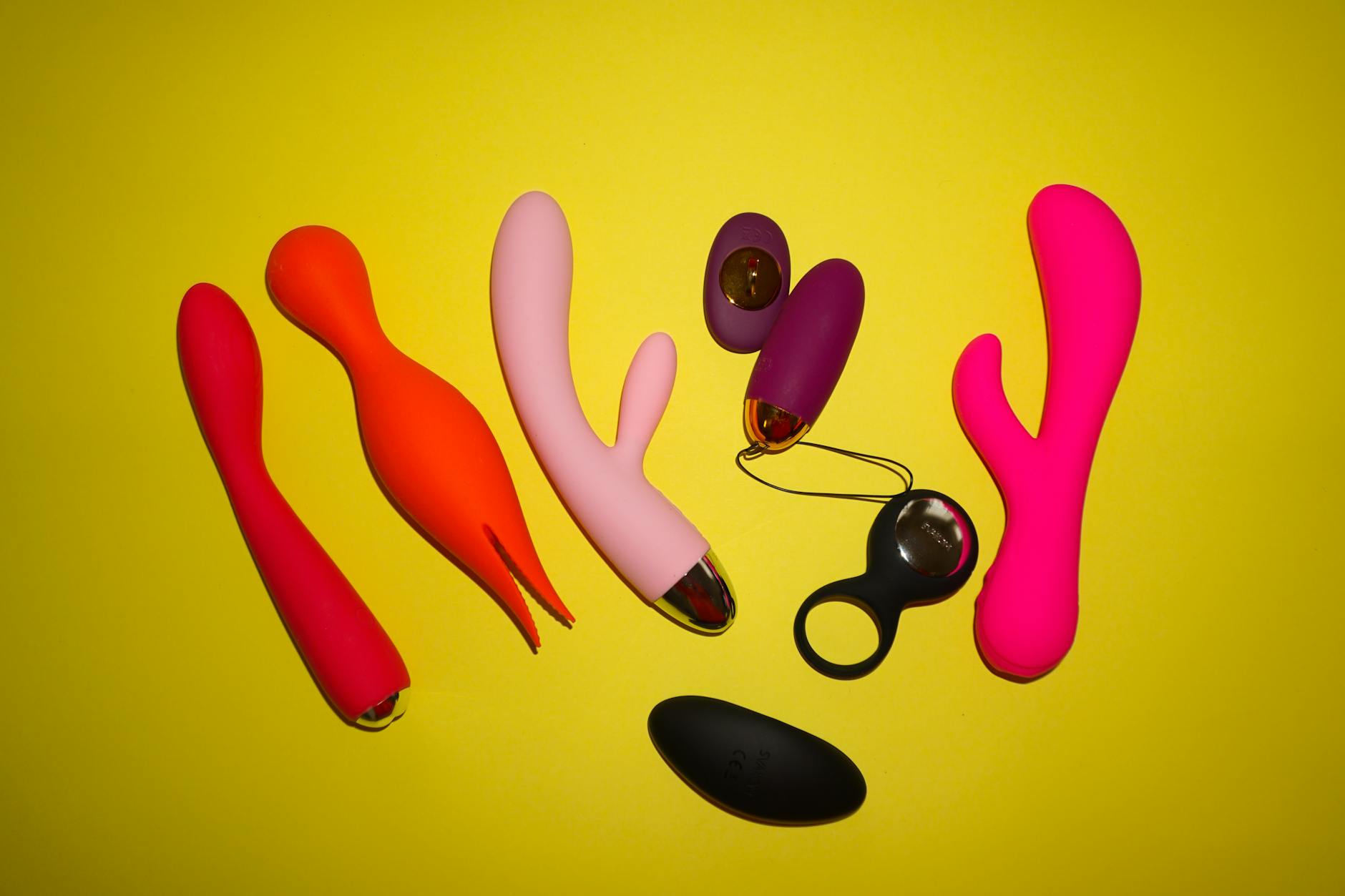
Let's talk about the libido cliff
You used to want sex. Then one day around 40 or so, you didn't. Not because your partner stopped being attractive, not because something's broken, but because your body is making different decisions about chemicals it needs to survive. That's the honest part nobody explains clearly.
Here's what actually happens physiologically, and why it changes everything about how lemon vibrators feel and work.
The hormone-desire connection that actually matters
Desire lives in three places in your brain and body. Testosterone (yes, people with vulvas produce it, and it's a major player) drives the physical urge to be touched. Estrogen affects how your brain processes reward from that touch. Dopamine ties it all together, making you want to do it again.
After 40, testosterone often drops 20 to 40 percent. Estrogen fluctuates wildly, then eventually tanks. That's not a personality flaw. That's basic endocrinology.
But here's what doesn't change: your clitoris still has 8,000 nerve endings. Your brain still processes pleasure the same way. Your capacity for orgasm is completely intact. The gap between desire (the wanting) and capacity (the ability) becomes the actual problem.
Most people mistake this gap for loss of sexuality. It's actually just a gap. And gaps can be bridged.
Why lemon clitoral vibrators work differently when libido drops
When desire is high, your body does a lot of the work for you. Arousal builds fast. Your clitoris swells. Lubrication happens automatically. A basic vibrator feels like enough.
When libido is low, your nervous system isn't primed the same way. Your clitoris still responds, but it needs more targeted input. This is where lemon vibrators, with their suction-based design, become genuinely useful.
Unlike traditional vibrators that rely on rapid back-and-forth movement, lemon sucker toys create sustained pressure and release. That pattern actually mirrors how arousal builds naturally. Your clitoris swells in response to the suction, then releases, then builds again. For bodies where hormones have dampened that natural rhythm, this mimicry can restart the process.
In practice: when libido is low, many of my clients find they need 20 to 30 minutes with a lemon vibrator before pleasure registers. That sounds like a long time. It's not. It's the actual time your body needs to remember what pleasure feels like.
The psychological component is bigger than the physical one
Here's what nobody tells you about dropping libido after 40. About half of what's happening is hormonal. The other half is your brain saying, "I don't have time for this" or "I'm angry" or "I'm exhausted" or "I don't feel sexy anymore."
Let's separate those conversations because they need different solutions.
If the problem is purely hormonal, a lemon clitoral vibrator works. If the problem is that you've been pretending to enjoy sex for fifteen years and your body is finally honest about it, a vibrator won't fix that. If the problem is that your partner hasn't touched you in a way that makes you feel wanted in months, adding a toy won't bridge that gap either.
The pattern I see clinically is this: low libido usually arrives with other life noise. Stress at work. A fight with your partner that never fully resolved. Anxiety about aging. Kids who need things. The weight of maintenance. A lemon vibrator helps with the hormonal part. But it works best when you've also addressed what's actually weighing on desire.
Four things to do before reaching for a lemon vibrator
First, check your stress load honestly. If you're in a chronic stress state, your cortisol is suppressing testosterone. A vibrator won't outcompete that. Stress management (actual sleep, movement, therapy if needed) comes first.
Second, have the conversation with your partner if you have one. Not "I don't want sex" but "My body is changing and I need us to slow down and rebuild this together." That conversation often matters more than any toy.
Third, get your hormones checked if you haven't. Not everyone needs hormone therapy, but everyone deserves to know what's actually happening in their body. A menopause-trained GP or functional medicine doctor can give you options.
Fourth, give yourself permission to rebuild desire slowly. You're not trying to get back to what it was. You're trying to find what it can be now.
How to use a lemon vibrator when libido is genuinely low
Set aside 25 to 40 minutes. Not because you have to wait that long, but because your nervous system needs time to notice what's happening. Start on the lowest pattern (many people start on pattern 1 or 2 on the Lem). Combine it with a water-based lubricant, even if you're self-lubricating. The combination of suction and glide is what restarts arousal when hormones have quieted it.
Don't expect an orgasm on the first try. The goal is sensation recognition. Your body is relearning what pleasure feels like. That takes time. After a few sessions, your nervous system usually starts to remember faster.
Use it alone first. Without the pressure of a partner watching or waiting, you can actually notice what feels good. That information is valuable. Once you know, you can bring that knowledge into partnered sex.
The dopamine reset that actually works
Low libido after 40 is often low dopamine, not low desire. Your brain isn't registering pleasure the way it used to. Lemon vibrators, especially with their novel sensation of suction, can trigger dopamine release because the pattern is different from what your body's used to.
But here's the thing: your brain adapts. After a few weeks, the novelty wears off and dopamine drops again. This doesn't mean the vibrator isn't working. It means your nervous system is learning. Switch patterns. Try a different position. Change the timing. Dopamine loves novelty.
If you have a partner, novelty also includes bringing them into the exploration. Not performing for them, but exploring together. That shared curiosity actually reboots desire in ways solo play alone can't match.
When to escalate beyond a vibrator
If you're using a lemon clitoral vibrator consistently and desire still isn't budging after four weeks, it's time to talk to a doctor. Low libido can signal thyroid issues, anemia, depression, or hormone imbalances that need actual treatment. A vibrator is a tool, not a diagnosis.
Similarly, if you notice that you can orgasm with the vibrator but still don't feel desire or satisfaction, that's information worth sharing with a therapist. That gap sometimes points to relationship tension or past sexual experiences that need processing, not more stimulation.
The reframe that changes everything
Low libido after 40 isn't the end of your sexual life. It's often the beginning of a more honest one. You're no longer running on autopilot hormones. You're making actual choices about what feels good and what doesn't. That's a skill. It takes practice.
A lemon vibrator, used thoughtfully with a warm-up routine that matches your current body, can be part of that practice. So can conversations with your partner about what you actually want. So can time. So can patience with yourself.
Your pleasure still matters. Your body still works. You're just learning a new way to access both.
Frequently asked questions
Why does libido drop more after 40 than it did at 30?
Testosterone and estrogen decline earlier and faster after 40. In your 30s, even if hormones fluctuate, they usually bounce back within days. After 40, the trend is downward. Your nervous system also gets used to stress differently. A life event that would have been processed in a week at 25 can linger for months at 45. Less robust hormone recovery plus more chronic stress equals lower baseline libido.
Can a lemon vibrator bring back desire or just trigger orgasm?
A vibrator can't manufacture desire, but it can restart your body's recognition of pleasure. That matters because low libido often isn't "I don't want this" but "I don't remember wanting this." A lemon clitoral vibrator's unique suction sensation often feels different enough to break that stale pattern and remind your nervous system that pleasure is possible. Once that reminder registers, desire often follows.
How long does it usually take to feel results with a lemon sucker toy when libido is low?
Sensation recognition usually happens within two to four sessions. Desire returning usually takes two to four weeks of consistent use (two to three times per week). That sounds slow, but it's actually normal retraining. Your body isn't broken. It's just recalibrating.
Is there a difference between using a lemon vibrator alone versus with a partner when desire is low?
Yes. Alone, you get pure sensation without performance pressure. That's valuable for rebuilding your own pleasure map. With a partner, you get vulnerability and novelty, which can trigger dopamine in different ways. Both matter. Solo exploration first usually makes partnered exploration more satisfying because you know what you actually like.
Should I tell my partner that my libido dropped due to hormones?
Absolutely. Most partners don't understand that low libido after 40 is medical, not rejection. A simple, honest conversation like "My body is changing and desire is harder right now, but I still want us" usually opens the door to actual partnership instead of performance. Many couples find that rebuild more connected than what came before.
Can low libido after 40 improve without medication or a vibrator?
Sometimes. Chronic stress management, strength training, better sleep, and honest communication with your partner all genuinely improve libido. But if hormones are the primary driver (which they usually are after 40), those lifestyle changes help but rarely fully restore what was there. A lemon vibrator or hormone therapy often needs to be part of the solution, not the alternative to it.
The bottom line
Low libido after 40 is real, it's common, and it's fixable. A lemon clitoral vibrator works because it offers sustained sensation when your nervous system has quieted. Combined with honest conversations and possibly medical support, it's a tool that actually bridges the gap between capacity and desire. Your body didn't stop working. It just needs reminding. That's what lemon vibrators are for.
Ready to explore what works for your body? Get in touch to talk through options that fit your situation.