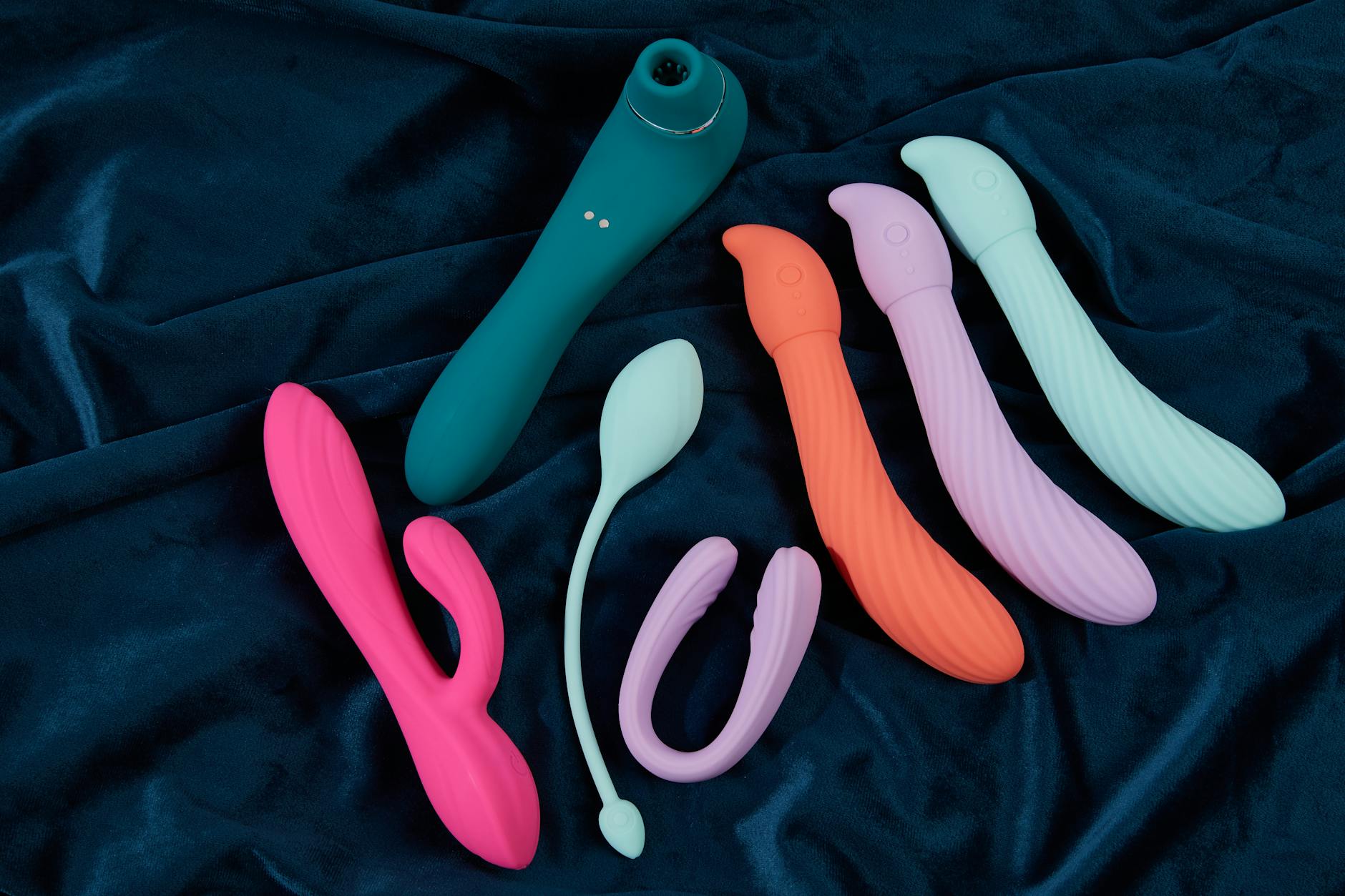
How to Use Lemon Vibrators With Reduced Sensation From Diabetes
Let's be real. Diabetes doesn't just affect your blood sugar. High blood glucose damages small nerve fibers over time, which means clitoral sensation can flatten. Not disappear, but flatten. And when sensation damps down, the usual vibrator intensity that used to work stops working. You're not broken. Your nervous system is just asking for a different approach.
This is where lemon vibrators, particularly their suction-based design, become genuinely useful. The mechanics of suction work differently than traditional vibration. Instead of relying solely on frequency hitting compromised nerve endings, suction draws blood flow and tissue into the chamber, creating pressure and movement that stimulate nerves through a different pathway. For people with reduced sensation from diabetes or diabetic neuropathy, that distinction can mean the difference between frustration and actual pleasure.
How diabetes changes clitoral sensation
Diabetic neuropathy affects the peripheral nerves. The clitoris has a dense network of nerve endings—roughly 8,000 nerve fibers in the glans alone—and these are exactly the kind of small fibers that glucose damage targets first. The result: sensation becomes duller, orgasm takes longer to build, and that sharp arousal response you used to feel starts fading into something more muted.
Here's the thing though: the nerves aren't gone. They're inflamed and less responsive. Which means they can recover, partially or sometimes fully, with better glucose control and consistent, appropriate stimulation.
Why suction works better than straight vibration
A traditional vibrator relies on the frequency of the buzz to stimulate nerve endings. If those endings are already dulled by neuropathy, frequency alone won't cut it. You end up turning the intensity up higher and higher, chasing a sensation that doesn't come, which can actually create micro-tears in sensitive tissue.
Lemon clitoral vibrators use air-pulse technology—suction. Here's what that does differently:
- Pulls blood into the tissue, which wakes up nerve endings naturally
- Creates variable pressure, not just one steady buzz
- Doesn't require you to crank intensity to feel something
- Stimulates a broader range of nerve types, including deeper sensory receptors that still function
Many of my clients with diabetic neuropathy report that they felt sensation return, slowly, after three to four weeks of consistent use. Not dramatic sensation, but noticeable. The suction literally helps restore blood flow to an area that's been under-perfused from high glucose.
Starting intensity: lower than you think
If you've been struggling to feel anything with a regular vibrator, your first instinct will be to blast a lemon vibrator on the highest setting. Don't. Start at pattern 1 or 2—the gentlest pulse. Your job right now isn't to chase an orgasm on day one. It's to reintroduce sensation gradually.
Use it for 5-10 minutes a day for a week at the lowest setting. You're essentially doing physical therapy on your nerve endings. The goal is consistency, not intensity. After a week, move to pattern 3. The week after, try 4 or 5. This slow build lets your nervous system recalibrate without overwhelming partially damaged nerves.
Build sensation back with a routine
Think of this like stroke recovery or physical therapy for your pleasure response. The pathway exists, but it's sluggish. Repetition wakes it back up.
A basic retraining routine:
- Day 1-7: Pattern 1, 5-10 minutes, daily
- Day 8-14: Pattern 2-3, 10-15 minutes, daily or every other day
- Day 15-28: Mix patterns 3-5, experiment with placement (side of clitoris, not just direct), 15-25 minutes
- Week 5+: Once sensation starts returning, you can vary intensity based on what feels good
The reason this matters: you're not looking for orgasm yet. You're looking for sensation. Warmth. A tingle. Responsiveness. These come back before climax does, and they're the foundation orgasm builds on.
The placement shift that helps most
When sensation is dulled, direct stimulation on the clitoral glans often feels like nothing. Your impulse is to push harder or go faster. Instead, shift the stimulation.
Try the lemon vibrator on the side of the clitoris, or angle it toward the clitoral hood. This reaches different nerve clusters and often feels more noticeable when the main pathway is compromised. You might also find that shorter, 3-5 minute bursts with rest breaks work better than one long session. This prevents nerve adaptation and keeps sensation fresh.
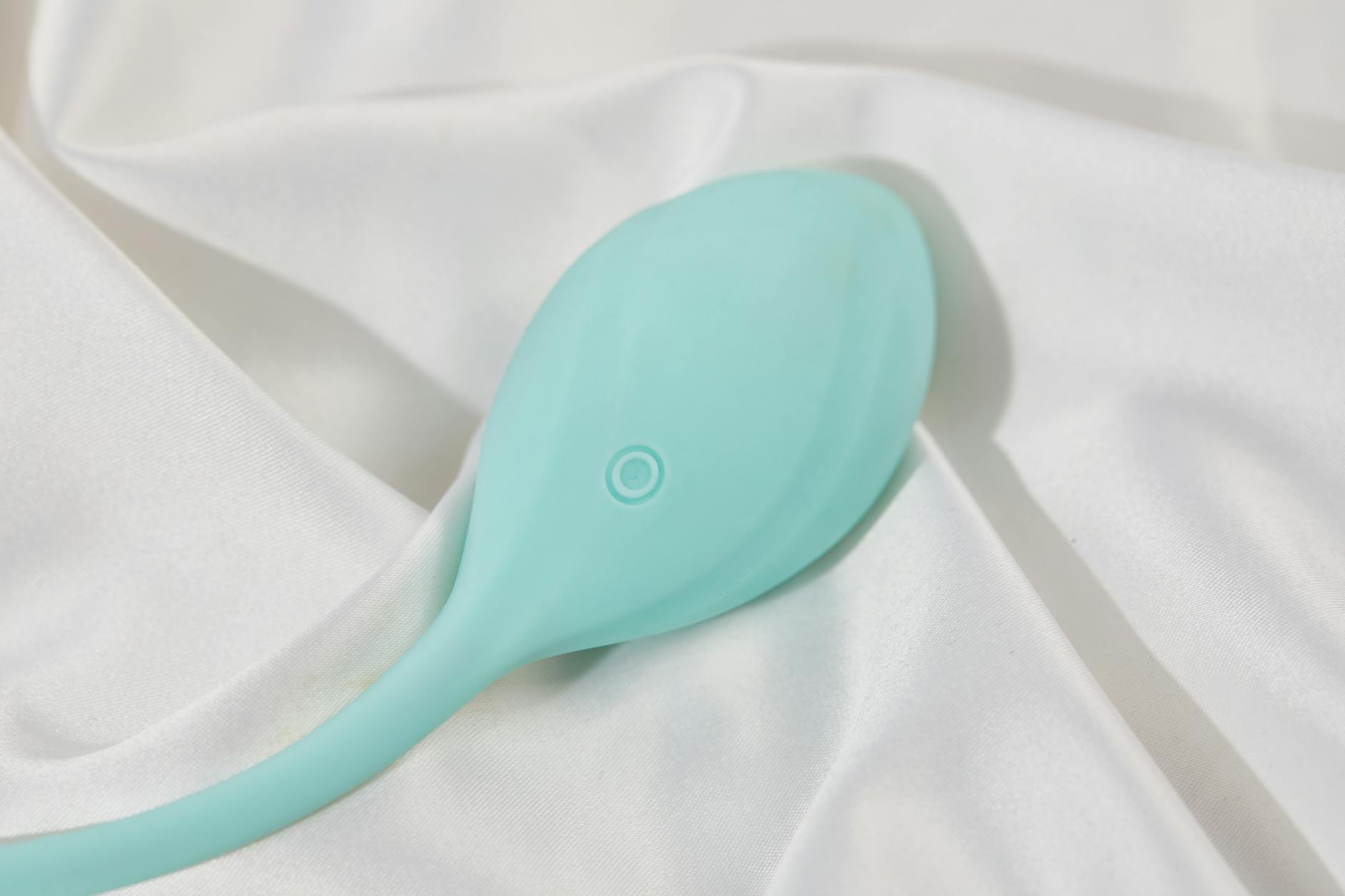
Photo by IFONNX Toys on Pexels
When your glucose is high versus stable
One thing most people don't connect: your sensation actually changes based on current blood glucose levels, not just long-term damage. High glucose in the moment makes sensation worse. Stable glucose makes sensation better.
If you're having a session and you're not feeling much, check your levels if you can. If you're running high, the lemon vibrator won't feel like much no matter what. It's not a failure on your part. It's biology. Wait until your glucose is more stable and try again.
This is also why consistency with diabetes management genuinely affects your sex life. Better glucose control over weeks and months literally improves nerve function and sensation recovery. It's one of those rare moments where taking care of your health directly, tangibly improves pleasure.
Sensation return looks like this (what to expect)
Week 1-2: You might feel warmth or a gentle tingling. Not necessarily pleasure yet, just awareness that something is happening.
Week 3-4: The area starts to feel more responsive. You notice the difference between pattern 1 and pattern 3.
Week 5-6: Actual sensation starts returning. You might feel twinges, little sparks, something closer to the arousal you remember.
Week 8+: Some people report that orgasm becomes achievable again. Others find it takes longer, but it's real again. The timeline varies wildly based on how long you've had diabetes, how well your glucose has been controlled, and individual nerve resilience.
None of this is guaranteed. But the pattern is consistent enough that I recommend the 4-6 week trial to most clients with diabetic neuropathy before they assume pleasure is permanently off the table.
Lube, always, and it matters more here
With reduced sensation, the last thing you need is friction adding irritation on top of numbness. Use a water-based lubricant generously. It'll let the lemon clitoral vibrator glide smoothly and reduce pressure-related discomfort.
If you notice any redness or raw feeling after a session, back off intensity and use more lube. Neuropathy means you might not feel pain signals properly, so micro-tears can happen without you noticing until later. Prevention is way easier than damage control.
When to talk to your doctor
If you're noticing significant loss of sensation, that's worth mentioning to your endocrinologist or GP. Not because you need permission to use a lemon vibrator, but because it's a clinical marker that your glucose control might need adjusting. Sometimes optimizing medication or adjusting your regimen can actually reverse some neuropathy progression.
Also mention it if sensation doesn't start coming back after 6-8 weeks of consistent use. That suggests the nerve damage might be more extensive, and there are other medical approaches worth exploring.
The patience piece
Honestly though? The hardest part of this is patience. You're used to pleasure being immediate or at least familiar. Retraining your nervous system to feel again takes time. It takes consistency. It takes not giving up after two weeks because nothing magical happened.
But here's what I tell my clients: pleasure can come back. Sensation is stubborn, but it's also resilient. A lemon vibrator isn't magic, but the combination of steady, gentle stimulation plus better glucose management actually does shift things. You just have to be willing to think of this as a process, not a destination.
Your pleasure matters, even when it takes more work to find. Even when the pathway is a little damaged.
People also ask
Can diabetic neuropathy make you permanently unable to orgasm?
Not usually, no. Sensation can dull significantly, and orgasm can take longer or feel less intense, but most people can still achieve it with the right approach. The keyword is "approach." It might not look like it used to. Using a lemon clitoral vibrator paired with patience and a modified technique often brings orgasm back into reach. Recovery timelines vary wildly, though. Some people see changes in weeks. Others take months. The thing that determines outcome most is glucose control and consistency with stimulation.
Does using a vibrator when sensation is numb cause damage?
Not the vibrator itself, but aggressive use when you can't feel much can cause micro-tears or irritation because you're not getting sensory feedback to tell you to stop. That's why starting low and using lube matters. Think of it like numbing cream before dental work. You still need to be careful even though you can't feel pain. A lemon vibrator is gentler than most options, but the principle stays the same.
Will my sensation come back fully or just partially?
Depends on how long you've had diabetes and how well controlled it's been. Some people recover sensation nearly completely. Others get partial recovery—enough to feel pleasure again, but less intense than before. The nerve damage can be somewhat reversible, especially in the first few years, but long-standing neuropathy is trickier. Better glucose control helps, but it's not a reset button.
How long should I wait between sessions if sensation is dulled?
Start with daily use at the lowest intensity to retrain your nerves. Once sensation starts returning (usually after 2-3 weeks), you can back off to every other day or whenever feels right. There's no magic number. The goal is consistency without overtaxing nerves that are already compromised. If you notice soreness or irritation, skip a day.
Can I use a lemon vibrator if I'm also on a vibration sensitivity medication?
That's a question for your doctor, honestly. Some medications used for neuropathy or diabetes management can interact with stimulation frequency or change how your nervous system responds. It's rare, but worth asking. Most people on standard diabetes meds use vibrators without issue, but your individual situation matters.
Is sensation recovery faster if I improve my glucose control?
Yes, significantly. Stable blood glucose reduces inflammation in nerve tissue and improves circulation. You'll likely notice sensation returning faster and more fully if your A1C is dropping or stable compared to running high. This is one of those rare moments where taking care of your metabolic health directly improves sexual function.
The bottom line
Diabetes dulls sensation. It's frustrating. But it's also not the end of pleasure, even though it feels that way sometimes. A lemon vibrator, combined with patience and consistency, actually can help rewaken that pathway. The suction-based design works differently than traditional vibration, which matters when your nerve endings are compromised. Start low, move slow, keep your glucose stable, and give it at least six weeks before you assume something's permanently broken.
Your pleasure deserves that effort. Contact us if you want to talk through which approach might work best for your situation.