Let's be real about clitoral disconnection
You're having sex. Everything's happening the way it's supposed to. Your partner's engaged, the setting's right, you're not in physical pain. But somewhere between your thighs and your brain, the signal stops. Your clitoris feels like it belongs to someone else's body. You can see it's being touched. You just can't feel it.
That's dissociation during sex, and it's more common than you'd think. It's not a sign you're broken, and it's not about the person you're with.
What clitoral disconnection actually is
Dissociation is your nervous system's way of protecting you when it senses threat. That threat might be real. Or it might be phantom. Trauma, anxiety, shame, or even just a lifetime of being told your pleasure doesn't matter can all trigger it. When your body predicts that staying present is unsafe, it checks out. Your clitoris goes numb. You might still orgasm (orgasm and pleasure are not the same thing), but the sensation is distant, like it's happening to someone else.
This is different from regular numbness or delayed response. Clitoral disconnection has an emotional component. It's not that sensation takes longer to build. It's that you're not there to feel it when it does.
Here's what I see clinically: people with dissociative responses during sex often describe their clitoris as "untouchable." Not too sensitive. Untouchable. That distinction matters because it changes how you approach getting reconnected.
Why lemon vibrators help with dissociation
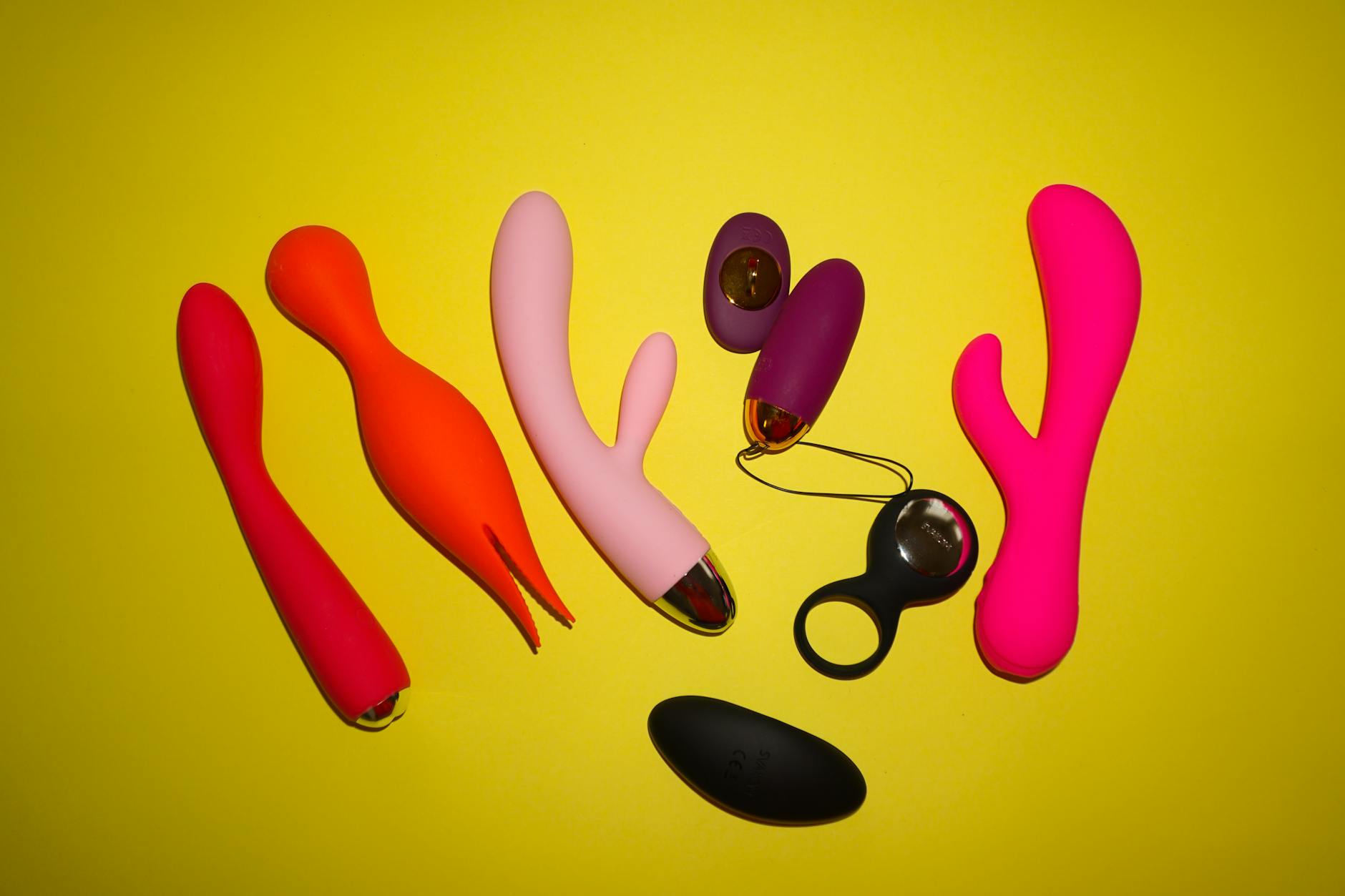
Clitoral vibrators like the Lem work differently than hands or friction. The suction-based design of lemon vibrators creates rhythmic, consistent stimulation that's hard to ignore. It's almost impossible to dissociate from something that's literally pulling focus.
Here's the mechanism: dissociation is often a holding pattern. Your nervous system learned to leave the room during arousal, and now it does it automatically. A vibrator (especially one as persistent as a lemon clitoral vibrator) disrupts that automatic response. The sensation is different enough, intense enough, and regular enough that your brain has to stay present to process it.
The Lem specifically works well for this because the suction pattern activates a broader area of nerve tissue than direct vibration alone. For someone dealing with clitoral disconnection, that broader engagement is often easier to feel. You're not chasing a single point of stimulation. You're feeling a whole pattern.
How to actually use a lemon vibrator when you're dissociated
Start alone. This is the non-negotiable part. Dissociation during partnered sex usually has an element of performance anxiety or safety concern built in. You need to rebuild the feeling of "my body, my choice, my pleasure" before you can bring someone else in.
Set aside 20-30 minutes with zero distractions. Phone off. Door locked if you need it. This isn't a race to orgasm. This is a nervous system reset.
When you use the Lem or another lemon clitoral vibrator for the first time after dissociation, start at pattern 1. Not because you need a warm-up, but because you need time to notice. Sit with the sensation. Don't try to chase arousal. Notice what you're actually feeling. Heat. Vibration. Pulling. Pressure. Name it. Your brain needs to log that "clitoris is sending information" again.
If you feel nothing after 3-5 minutes, that's okay. This might not be the day. Stop. You're not failing. Your nervous system is just not ready yet. Come back tomorrow.
If you feel something, anything, stay there. Don't jump to higher patterns. Stay with that first tiny thread of sensation until you've felt it for several minutes. This is grounding work, not performance work.
The role of pattern and rhythm
One of the biggest mistakes I see is people thinking dissociation requires more intensity. It doesn't. It requires consistency. A steady rhythm that your nervous system can trust.
The repeating patterns on lemon vibrators (and clitoral vibrators in general) are designed exactly for this. Your brain can predict what's coming next. Predictability reduces threat. When your nervous system stops bracing for danger, dissociation lifts.
After a few days of solo use, you can experiment with patterns. Pattern 2 for a session. Pattern 4 the next. Not to reach orgasm faster. To let your body catalog different sensations and realize they're all okay.
Most people reconnect with their clitoris after 5-7 sessions using a vibrator this way. Some take longer. Timeline doesn't matter. Consistency does.
When a partner is involved
If you're in a relationship, you'll eventually want to bring them back in. Don't rush this. When you feel consistently present during solo sessions (even if you're not orgasming), you can let your partner know you're exploring something new.
The next step isn't necessarily partnered sex. It might be using the Lem while they're in the room but not touching you. Just presence. Your nervous system gets to learn that they're nearby and you're still safe in your own body.
After that, they can watch. Then they can hold you while you use it. Then, much later, you might invite them to participate. But here's the thing: you're always the one with the vibrator. You're always in control of the stimulation. This is essential for rebuilding trust between you and your clitoris.
Talk to your partner about what's happening. "I'm working on feeling more present during sex" is enough. You don't owe them a detailed explanation of your dissociation. But they do need to know that this isn't about them, and that going slowly is the whole point.
The nervous system piece
Dissociation isn't just a sex thing. If you're dissociating during sex, you're probably doing it in other parts of your life too. Therapy, somatic experiencing, or trauma-informed coaching can all help rewire your nervous system's threat response.
A lemon vibrator is a tool for the body. Therapy is a tool for the nervous system. You might need both. That's not a failure of either approach. That's how you actually heal.
In my practice, the people who reconnect fastest with their clitoris are the ones using a vibrator AND working with a therapist on why dissociation started in the first place. The vibrator rebuilds sensation. The therapy work prevents the automatic response from cycling back.
What if it still isn't working
Some people find that no vibrator, no matter how thoughtfully they use it, breaks through the dissociation. That usually means the nervous system disconnection is deeper. You might need professional support. A sex therapist trained in trauma work, or a somatic experiencing practitioner, can do things a vibrator can't.
But here's what I know: dissociation during sex is treatable. Your clitoris is still there. Your capacity for sensation is still there. You just need to rebuild the nervous system pathway that says "it's safe to feel this." Lemon vibrators can be part of that. But you're the expert on your own body. Trust what you find out when you slow down and listen.
FAQ: Dissociation and lemon vibrators
How long does it take to feel sensation again after clitoral dissociation?
Most people notice a shift within 5-7 sessions of solo use. Some see improvement faster. Some need 2-3 weeks. Your nervous system's timeline isn't negotiable, so patience matters more than speed. If you're still feeling completely disconnected after 3 weeks of consistent use, a sex therapist might be helpful.
Is dissociation during sex the same as not being able to orgasm?
No. You can orgasm while dissociated. That's actually one of the confusing parts. Your body can have a physical response while you're mentally absent. This is why orgasm isn't the goal when working through dissociation. Presence and sensation are the goals.
Can I use a lemon clitoral vibrator if I have trauma?
Yes, but with care. Trauma-informed use means going slowly, stopping whenever something feels wrong, and never pushing through discomfort. If you have a trauma history, a therapist or sex coach familiar with trauma work can help you use a vibrator safely. The tool itself isn't the issue. How you approach it is.
Should I tell my partner I'm working on dissociation?
You don't owe them a diagnosis. But if you're changing how you approach sex, some honesty helps. "I want to reconnect with my own body, so we're going to slow things down" is enough. Your nervous system, your call.
What if I feel more disconnected when I use a vibrator?
Stop immediately. You don't need to push through. Sometimes a vibrator is too intense for a dissociated nervous system. Try a different approach: mindfulness during partnered sex, somatic touch work, or pelvic floor physical therapy. Not every tool works for every person.
Can I use a lemon vibrator while taking antidepressants or anti-anxiety medication?
Absolutely. Medication doesn't block the ability to use a vibrator. If your medication is causing numbness or delayed sensation, a vibrator might actually help you feel more than you otherwise would. Work with your prescriber about side effects, but the vibrator itself is compatible with any medication.
Moving forward
Dissociation during sex is your nervous system doing what it learned to do. Rebuilding the connection between your brain and your clitoris takes patience and the right tools. A lemon vibrator can be one of those tools. So can therapy, breathwork, and time. The Lem and other clitoral vibrators aren't magic. But they're persistent enough, and different enough, to help your nervous system learn that it's safe to stay present.
Your pleasure matters. Your presence matters. And your clitoris is waiting for you to come back.