Starting antidepressants changes the sensory volume dial
You've finally found a medication that quiets the noise in your head. Your sleep is better. Your anxiety loosened its grip. And then you touch yourself and everything feels like too much. The same pressure that used to feel good now feels sharp, almost painful. Or maybe it's not sharp—maybe every nerve ending has just become wildly alive in a way that's startling.
This is real, and it happens more often than you'd think. SSRIs (selective serotonin reuptake inhibitors) are phenomenal at what they do, but they can amplify sensory processing in ways that catch people off guard. That's not a sign the medication is wrong or that your pleasure is broken. It's a sign you need a different approach to sensation while your body adjusts.
What SSRIs actually do to sensation
Here's the mechanism, simplified. SSRIs increase available serotonin in your brain, which dampens pain signals and also amplifies sensory perception overall. This is why some people report colors looking brighter or sounds feeling louder. It's not a side effect—it's how the drug works. Your nervous system is processing input more efficiently, which is great for anxiety but can make touch feel intense.
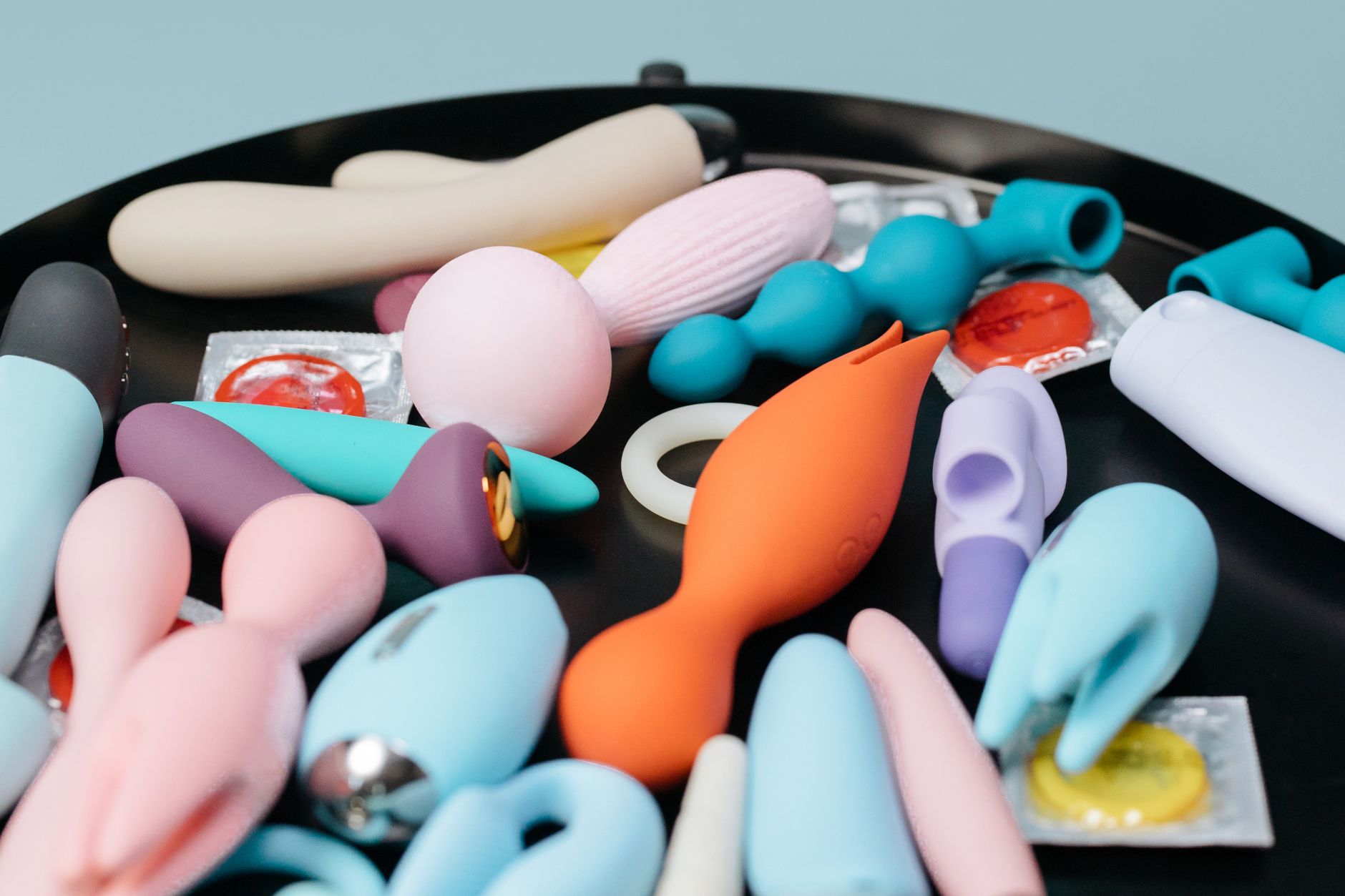
For people using lemon clitoral vibrators or other sex toys, this can mean one of three things:
First, the pattern intensity that used to feel perfect now feels too strong. The pulses register as almost aggressive.
Second, the vibration frequency itself feels different. Higher frequencies might suddenly feel jarring instead of pleasurable.
Third, and this is worth naming: the vulnerability of touch feels bigger. Your nervous system is more alert, more aware of stimulus, and sometimes that alertness extends to the emotional aspect of pleasure. It can feel overwhelming not because the physical sensation is bad, but because you're suddenly hyper-aware of your own arousal.
The first adjustment: lower intensity
Start with the lowest setting on your lemon vibrator. If you were using pattern 4 or 5 before medication, begin with pattern 1 or 2. This isn't a step backward. This is recalibration.
Many people find that the gentler patterns on devices like the Lem actually feel more nuanced at lower intensity. You might discover sensations you'd missed when you were chasing intensity. The air-suction technology on lemon vibrators can be particularly helpful here because it delivers stimulation without the blunt pressure of a traditional vibrator. At lower intensity, that suction feels more like a whisper than a shout.
Give yourself at least two to three weeks at a lower setting before turning it up. Your nervous system is learning how to process sensation again while on medication. Rushing this process usually backfires.
The second adjustment: longer warm-up, more mental space
When sensation feels heightened, your brain is doing extra work. You need to give it space to settle into pleasure rather than jolt into it.
Budget 20 to 30 minutes of solo time, even if you ultimately spend only five to ten minutes with the lemon vibrator itself. Use that early time for breathing, for noticing what your body needs, for letting your nervous system know it's safe to open up. Some people find it helpful to do this in the same spot each time, or at the same time of day. Routine signals safety to a system in adjustment.
When you do turn on your device, start external stimulation only. If you have a partner, make sure they know you're in this phase. This is not about them or your relationship. It's about your nervous system learning to trust sensation again.
Mental load matters enormously when your nervous system is already processing more. If you're thinking about whether your body is responding "correctly," that overthinking will amplify the overwhelm. Try focusing instead on physical sensation without judgment. When your mind wanders to self-criticism, gently bring it back to the feeling itself.
The third adjustment: track the pattern, not the goal
Here's a mistake I see often: people assume that because sensation feels more intense, orgasm should come faster. Actually, the opposite usually happens. When your nervous system is processing sensation more acutely, the path to orgasm can become less linear. You might build toward it, then feel the intensity spike and need to back off, then build again. This isn't dysfunction. This is your nervous system asking you to pace differently.
Instead of tracking whether you can orgasm, track what patterns feel sustainable. Maybe pattern 1 feels good for eight minutes, then becomes too sharp. Maybe pattern 2 feels better but only in short bursts. Write these down. Over time, a map emerges of what your body actually wants right now, on this medication, in this phase.
Many people find that how to use lemon vibrators when clitoral sensation feels heightened after hormonal changes offers useful strategies that apply here too, even though the cause is different. The nervous system response can be similar.
The timeline piece: when does this settle?
Most people find that sensory hypersensitivity from SSRIs peaks in the first two to four weeks and then gradually normalizes over two to three months. But that's an average. Some people adjust faster. Some take longer. Your body's timeline is the only one that matters.
During this window, you're not losing pleasure—you're pausing to recalibrate. Some people report that once they've adjusted to the medication, their capacity for pleasure actually feels deeper, because the anxiety that was blocking sensation has lifted. They get to reintroduce intensity gradually and notice sensations they'd never felt before.
It's also worth noting that SSRIs affect desire differently than they affect sensation. You might find that your libido is lower while you're adjusting—that's a separate issue that usually improves with time or can be addressed with your prescriber if it persists.
When to check in with your prescriber
Intense sensory response is common and usually resolves. But if the sensation remains painful rather than just intense, or if numbness follows the intensity phase, mention it to the doctor who prescribed the SSRI.
They might suggest a small dose adjustment, a different SSRI, or they might recommend patience. There's no shame in any of those conversations. Your sexual function and pleasure matter in your overall health, and a good prescriber takes that seriously.
There's also the possibility that you need to address this with a sex therapist or somatic therapist alongside medication management. Sometimes the overwhelm is partly nervous system regulation and partly psychological permission. A therapist trained in both can help you untangle those threads.
The patience part
You did something brave by starting medication. Your brain needed help, and you got it. Now your body is asking for a different kind of help: time, gentleness, curiosity instead of performance. That's not a delay in your pleasure. That's the beginning of a more sustainable relationship with it.
While you're adjusting, remember that pleasure isn't only about orgasm. Some people find that lower-intensity touch, or even just lying naked with a partner without sexual pressure, becomes deeply satisfying in a new way. You might discover parts of sensation you'd overlooked when you were moving faster.
Most people who stick with this adjustment phase find that their pleasure rebounds stronger than before. Not because the medication somehow unlocked hidden capacity, but because they took time to understand their nervous system and rebuild sensation consciously. That pays dividends.
People also ask
Can you use lemon clitoral vibrators while taking SSRIs?
Yes, absolutely. Antidepressants don't make vibrators unsafe. What changes is how your nervous system processes the sensation. Starting at lower intensity and going slower is usually the whole solution. Many people find that lemon vibrators, with their gentler air-suction technology, are easier to adjust to than traditional vibrators when sensation feels heightened.
How long does SSRI sensory sensitivity last?
Most people see peak intensity in the first two to four weeks after starting medication, with gradual improvement over the next one to three months. Some people adjust faster, some slower. If intensity persists beyond three months or starts to feel like pain, that's worth discussing with your prescriber. The timeline varies widely.
Should you stop using vibrators while adjusting to medication?
Not necessarily. Many people find that continuing to explore sensation, just at lower intensity, actually helps the nervous system adjust faster. It signals safety and helps you stay connected to your body. The key is patience and permission to move slowly. If it feels genuinely distressing, then stepping back is fine too.
Does medication change what type of vibrator works best?
Not always, but sometimes. Suction-based vibrators like those from Helo Nancy Lemons tend to feel less aggressive than rumbly or high-frequency vibrators during this adjustment phase. They deliver stimulation through pressure and rhythm rather than intense vibration. But individual response varies. What matters is starting low and adjusting based on what feels good.
Can you still have good orgasms on SSRIs with a vibrator?
Yes. Most people do, once their body adjusts to the medication. The path might look different, and it might take longer initially, but pleasure is absolutely possible. Many people report that once they've stabilized on medication and recalibrated their sensation, orgasms feel richer because the anxiety blocking them has lifted.
What if sensation stays overwhelming after a few months?
Talk to your prescriber. It could be a dose issue, a different SSRI might work better for you, or you might benefit from a different class of antidepressant altogether. It could also be worth exploring whether there's an anxiety piece that's separate from the medication adjustment. A therapist can help untangle that. Your pleasure matters, and it's not something you have to just live with if it's genuinely distressing.
You're not broken, just recalibrating
Starting antidepressants is an act of self-care. And recalibrating your pleasure while your nervous system adjusts is part of that same act. You're not losing anything. You're learning to work with your body as it is right now, on medication, in recovery.
The lemon vibrators, the patience, the willingness to go slower. That's all part of the process. And most people find that on the other side of this adjustment, pleasure is deeper and more honest than it was before. Reach out to Helo Nancy Lemons or contact us if you need resources or want to talk through what's happening.