Let's start with the obvious thing nobody says clearly
Hormone therapy changes how your body feels. Not always in bad ways. Not always in good ways either. It's more like stepping into a room where all the light switches got rewired, and you're learning the new panel from scratch.
Sensation shifts happen. Clitoral responsiveness can heighten, flatten, sharpen, or go weirdly asymmetrical. Sometimes you'll feel changes in days. Sometimes they creep in over weeks. And here's the thing that surprises most people: your pleasure toolkit needs adjusting, not replacing.
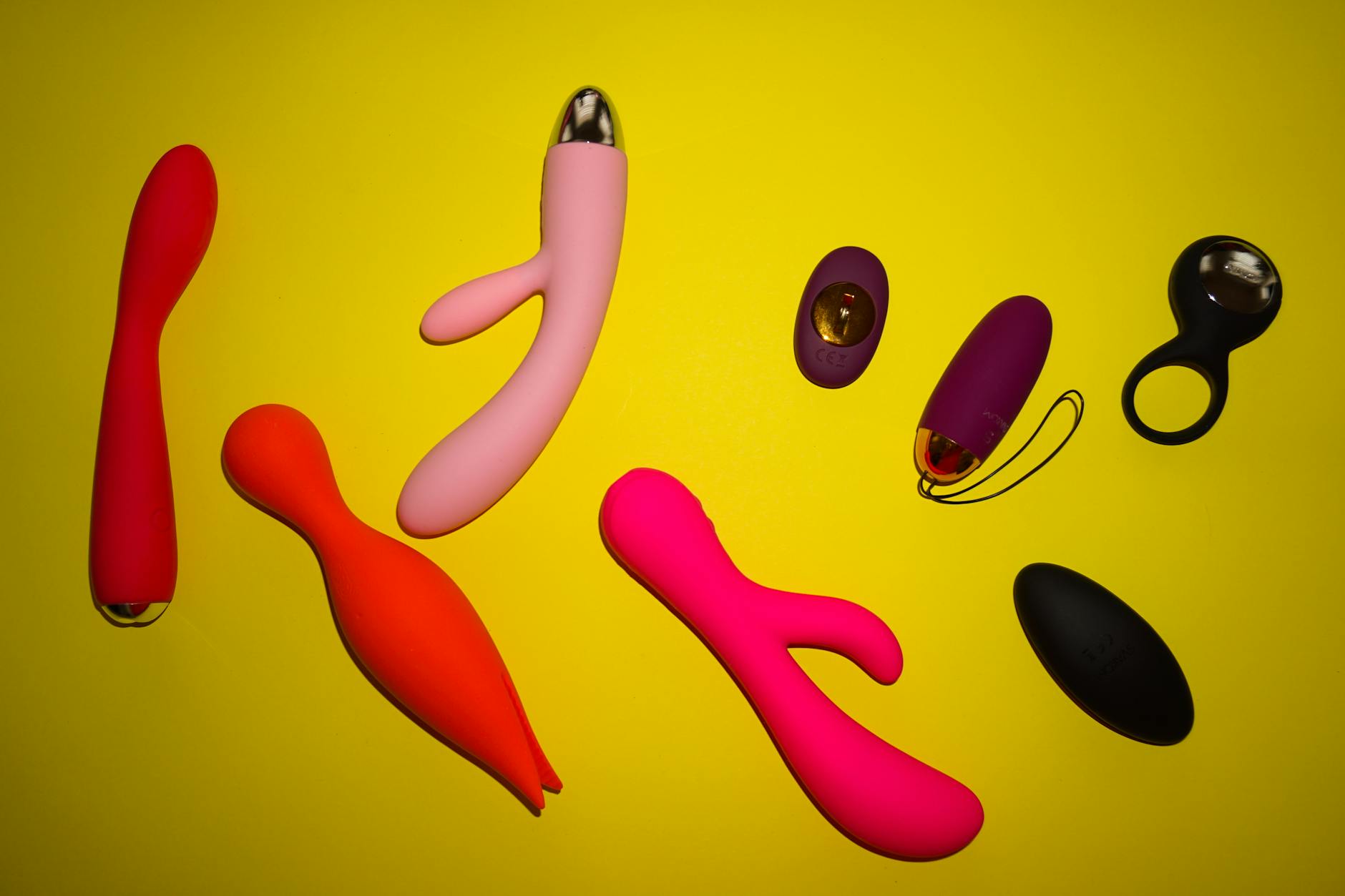
That's where lemon clitoral vibrators fit in differently than before. The Lem and other precision-designed toys aren't just nice to have during this transition. They're calibrated for exactly this moment, when your body's asking for something new.
Why sensation shifts on hormone therapy
Hormone therapy introduces synthetic or bioidentical hormones that your body absorbs and metabolizes in ways that oral contraceptives or naturally cycling hormones don't always replicate. The effect on sexual sensation depends partly on which hormones you're taking and in what dose, but mostly on the individual rewiring that happens at the tissue and nerve level.
Three key changes happen:
Increased blood flow to genital tissue. HRT or testosterone therapy can improve circulation, meaning faster arousal and heightened sensitivity. For some people this feels amazing. For others it means that sensation that used to be pleasant now feels overwhelming. Both are real.
Shift in clitoral erectile tissue response. The clitoris is packed with erectile tissue, just like the penis. Hormones influence how quickly and intensely this tissue engorges. You might notice your clitoris feels larger, firmer, or responds faster to touch. You might also notice it feels tender where it didn't before.
Neurotransmitter recalibration. Hormones influence dopamine and serotonin pathways. That means the neural signal between your clitoris and your brain gets retuned. Sensations that used to register as "medium" might now feel like "maximum" or "barely there," depending on your individual neurochemistry.
The honest truth: there's no way to predict which direction your sensation will shift until it shifts. Therapy affects everyone's body differently.
The lemon vibrator advantage during this transition
Here's why lemon clitoral vibrators, particularly precision-focused designs like the Lem, work so well during hormonal transitions.
Suction-based stimulation is adaptable in ways traditional vibration isn't. You can control intensity by adjusting the seal and varying your positioning. If your new baseline is "everything feels too strong," you drop to pattern one. If your sensitivity has flattened, you layer patterns and build gradually. With a standard vibrator, you're locked into whatever power setting the device offers.
The lemon sucker design targets the precise area that's changing most. The clitoral complex is about the size of a pea externally, but the work happens in the surrounding tissue too. Suction-based stimulation engages the whole clitoral structure without punishing individual nerve endings the way direct vibration sometimes does. This matters exponentially when your baseline sensitivity is still settling.
You can pause and recalibrate without losing momentum. Hormones make some people need longer recovery time between orgasms. Others find the opposite. With air-suction toys, you can literally take a breath, adjust the intensity, and go again without starting over. That flexibility is crucial when you're learning what your new body wants.
Practical adjustments for your first sessions post-start
You're not starting from zero, but your body is learning new terrain. Here's how to help it along.
Budget 20-30 minutes minimum, even if you used to climax in five. Hormones change the tempo of arousal and response. Rushing creates frustration. Give yourself actual time to notice what feels different. That's the whole point of this transition.
Start on the lowest setting, always. With the Lem vibrator, begin on pattern one or two. If it feels bearable, stay there for a few minutes. Notice whether sensation is building or plateauing. If it plateaus, move up to the next pattern. This isn't about being cautious. It's about gathering data on what your new sensitivity actually is.
Locate your personal sweet spot again from the beginning. Hormone therapy sometimes shifts where on the clitoris feels best. The top might feel numb now where it was hypersensitive before. The sides might become your new epicenter. Spend the first few sessions exploring. You're remapping, not repeating.
Lubrication matters more now, not less. Hormones affect blood flow to vaginal tissue too. Some people on HRT find lubrication increases. Others find tissue gets drier in certain phases. Use a water-based lubricant anyway. It won't hurt, and it creates a better seal for suction-based toys like the Lem, which means more consistent stimulation and less guessing.
When sensation spikes and nothing feels right
If every touch feels too intense, too raw, or actively painful, that's not a sign your body is broken. It's a sign your nervous system is still calibrating and needs a different approach.
Try indirect stimulation first. Instead of direct clitoral contact, place the Lem slightly above or to the side. Let the sensation build through the tissue around the clitoris rather than at the epicenter. This gives your nervous system time to acclimate without shutting down.
Use a barrier between your skin and the toy. A thin cotton cloth, a silicone guard, or even a clean piece of microfiber fabric reduces intensity dramatically while still allowing suction to function. This is temporary. Most people phase it out within a few weeks as sensation normalizes.
Space out your sessions. If your body feels overstimulated, every-other-day or twice-weekly is better than daily during the first month. You're not losing anything. You're giving your nervous system permission to reset between sessions.
When sensation flattens and you need more intensity
The opposite problem: you're on hormone therapy and everything feels muted, distant, like you're experiencing pleasure through a thick glass wall.
This is temporary and adjustable. Your body hasn't lost the ability to feel. Your baseline is just recalibrating. Some medications or hormone formulations take six to eight weeks to reach full effect. Sensation often catches up.
Layer your sessions. Combine solo exploration with partnered touch if you have a partner. The combination of external suction (from the Lem) plus partner stimulation elsewhere on your body can create a bridge that helps your nervous system reconnect. You're not doubling up because you're broken. You're creating enough sensory input for your recalibrating system to register pleasure.
Consider the timing of your therapy. If you take your HRT at night, sensation sometimes feels different at different times of day as hormone levels rise and fall. Experimenting with when you explore can unlock better responsiveness. Morning versus evening, or day three versus day six of a cycle, sometimes matters more than you'd think.
Managing this with a partner (or not)
If you're exploring alone, none of this requires conversation. You adjust the Lem, you notice what works, you move on. But if there's a partner in the picture, a quick conversation prevents misunderstanding.
"My body's recalibrating from hormone therapy. Sensation might feel different for a while. I'm not losing interest, and it's not about you. I'm just learning what my new baseline is." Most partners get this immediately. The ones who don't probably need a different conversation than this one.
If you want a partner involved, frame it as exploration rather than diagnosis. "I want us to try some things together while I'm getting used to how my body feels now" works better than "I need you to help me fix this." The shift in language keeps you both grounded in discovery rather than problem-solving.
Your body isn't broken. It's adapting. And honestly? Some of your best sensation might be waiting on the other side of this transition.
When to check in with a doctor
Sensation shifts and settling is normal. Pain, numbness that doesn't improve after six weeks, or sensation so intense it creates actual distress is worth discussing with whoever prescribed your hormone therapy.
Some people need a dose adjustment. Others need a different formulation. A few need to explore whether the timing or type of therapy is actually working for their body. None of this means you made a wrong choice. It means your prescriber needs updated information.
Similarly, if sensation was already a problem before hormone therapy started (from medication, trauma history, or other factors), this transition might feel more complicated. That's not a reason to white-knuckle through it alone. A therapist or sex-positive healthcare provider can help you layer approaches that actually work for your specific situation.
The body you're in now is worth knowing
Hormone therapy rewires enough that pretending it didn't happen wastes the opportunity. Yes, sensation feels different. Yes, that's disorienting. But it's also a chance to explore your body with fresh eyes, to figure out what actually feels good now rather than what felt good six months ago.
Lemon clitoral vibrators, designed specifically for precision and adaptability, are exactly the right tool for this moment. Start low, stay curious, and give yourself permission to learn your new baseline without judgment. Your pleasure matters, and so does honoring that your body is in the middle of something real.
People also ask
How long does it take for sensation to stabilize after starting hormone therapy?
Most people notice shifts within the first two to four weeks, with the biggest changes settling by week six to eight. That doesn't mean sensation is fully stable by then. Hormones continue to integrate into your system for three to six months. Think of it like this: the major reorganization happens early, but the fine-tuning takes longer. Some people report continued subtle shifts even after three months. That's normal.
Can I use the same lemon vibrator techniques I used before hormone therapy?
Maybe. Your techniques might need tweaking because your sensation has changed. The suction-based design of the Lem is forgiving enough to adapt to different baselines, but your personal pattern and intensity preferences might shift completely. Treat this as a relearning phase rather than a continuation. You're not starting over, but you're not just picking up where you left off either.
Is heightened sensation after hormone therapy a sign something's wrong?
Not necessarily. Sensation shifts are expected. If it's intense but manageable, that's actually pretty common. If it's so intense that touch feels painful or your nervous system can't regulate, that's worth mentioning to your provider. There's a difference between "I'm more sensitive than before" and "touch feels unbearable." One is an adjustment. The other might mean a dose change.
Should I wait to use lemon clitoral vibrators until sensation "normalizes"?
No. Waiting doesn't help. Using precision tools like the Lem during the transition actually helps you understand what's changing and what your new baseline needs. You gather information. You adjust. You figure out what works for your recalibrated body. This is active learning, not passive waiting.
Does hormone therapy affect how toys like the Lem work physically?
Yes and no. The toy itself functions the same way. But how your body responds to suction changes. Blood flow differences mean tissue engorgement might be faster or slower. Nerve sensitivity shifts how intensely you register the sensation. That's why adaptability matters so much. A precision lemon vibrator lets you adjust to these changes without replacing your entire toolkit.
What if sensation feels stuck or isn't improving after two months?
Talk to your prescriber. Sometimes it's just a timeline issue and sensation continues improving. Sometimes a dose adjustment, different formulation, or different delivery method (patch versus pill, for example) helps. Sometimes there's an underlying factor that needs attention. But stagnation after eight weeks is worth investigating rather than assuming it'll resolve on its own.
References and sources
The physiological effects of hormone therapy on sexual sensation and clitoral tissue responsiveness are documented in endocrinology and sexual medicine literature. Key mechanisms discussed here include blood flow alterations (investigated in vascular physiology studies of hormone replacement therapy), erectile tissue response (well-documented in urological research on clitoral anatomy and physiology), and neurotransmitter pathway effects (studied in psychoneuroendocrinology). For specific medical guidance on your individual hormone therapy plan and how it might affect sexual sensation, consult with your prescribing provider or a certified sex educator.