Let's talk about the gap
Years away from your own pleasure is surprisingly common. Maybe you were focused on parenting, maybe a relationship consumed your energy, maybe life just happened and self-care fell off the list entirely. Coming back to solo pleasure after a long break feels strange in ways that catch people off guard. Your body hasn't forgotten. Your mind has probably invented some stories about what you're supposed to want or feel. And there's often a weird mix of anticipation and nervousness.
Here's what I want to say upfront: this is entirely normal, and restarting is actually simpler than you think if you approach it with patience instead of pressure.
Why sensation feels different when you return
When you take a break from touching yourself, a few physical things shift. Blood flow to the clitoris decreases. Nerve sensitivity can dull if you're not regularly sending signals through those pathways. The vulva itself might feel less responsive, especially if you're in perimenopause or menopause. And if you've been stressed or dealing with relationship friction, your nervous system might be in a mild state of protection, which makes arousal feel like it takes longer to build.
None of this means you're broken. It means your body is doing what bodies do when a particular form of stimulation pauses for a while. The good news is that sensation returns quickly with gentle, consistent practice. Your nervous system can rewire. Blood flow rebounds. Nerves wake up.
That said, jumping back in at full intensity is almost always disappointing. You're not starting where you left off. You're starting fresh.
Set the conditions for return, not performance
Before you even pick up a lemon vibrator or any clitoral vibrator, think about what needs to be true for you to feel safe exploring. This matters more than you probably think.
If your break came after a relationship that ended badly, you might need to feel physically safe and alone. If it came after parenting burnout, you might need permission to be selfish for 20 minutes. If it came after health changes, you might need to know you can stop whenever it stops feeling good.
Write down two or three things that matter: the right time of day, the right room, music or silence, locked door or not. Don't skip this step thinking it's excessive. The people who restart successfully are the ones who create conditions where their nervous system actually agrees to participate. Your body has learned that there are reasons to hold back. You're going to have to convince it (gently) that it's safe to open up again.
How to introduce a lemon vibrator safely
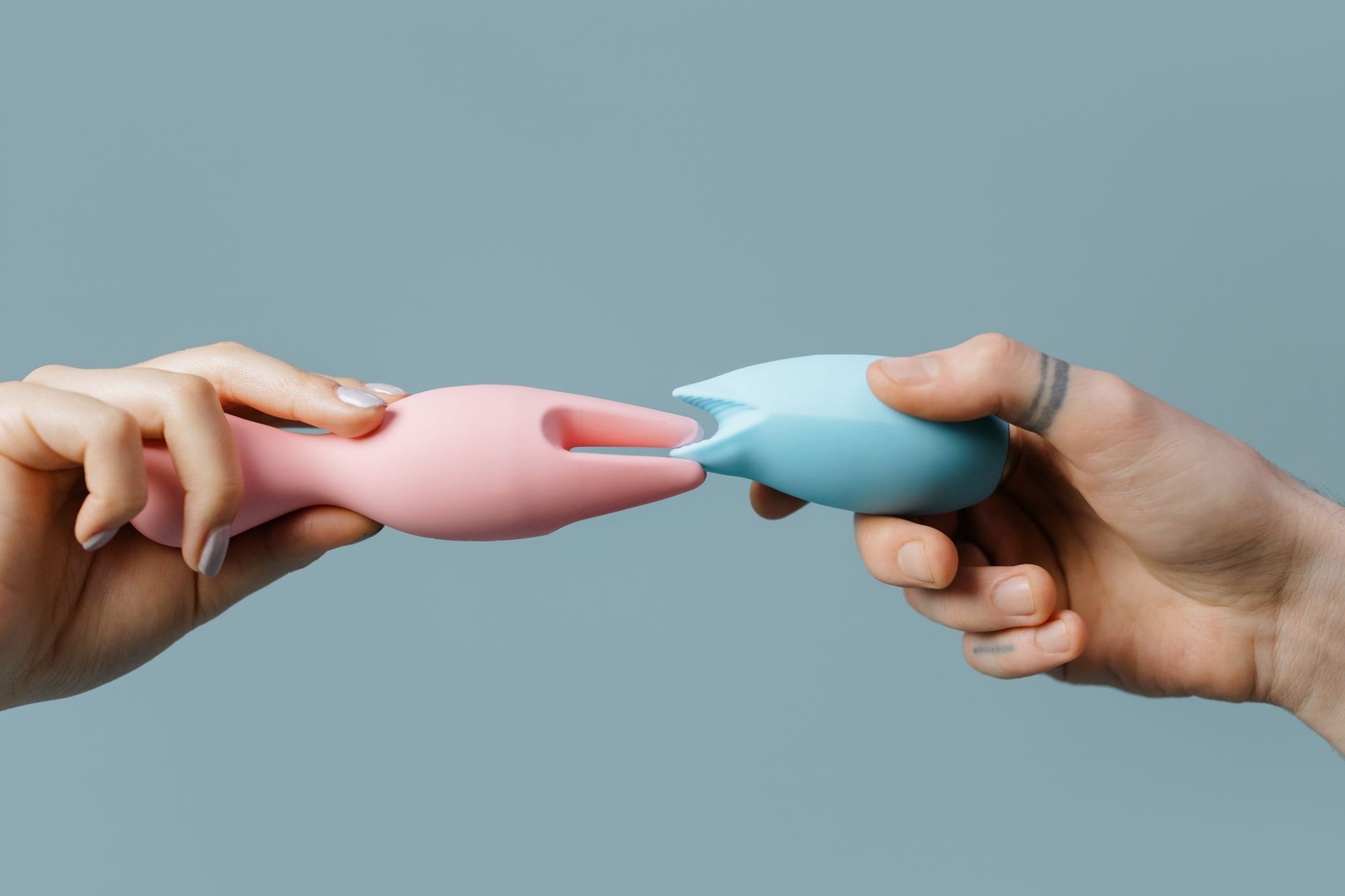
Start with the lowest settings and the gentlest approach. If you're using a Lem or another lemon clitoral vibrator, begin on pattern one. Don't apply direct pressure right away. Many people find that hovering the toy just above the clitoris, or placing it against the outer lips first, feels less startling than direct contact.
Warm up for longer than you probably think you need to. Spend five to ten minutes just touching yourself without the vibrator. Use your fingers, your palm, whatever feels good. This isn't laziness. This is you sending a signal to your nervous system that it's safe to start arousing. It takes longer to build arousal after a break.
When you introduce the vibrator, start with short sessions. Ten to fifteen minutes total is plenty. You're not trying to orgasm yet. You're trying to reacquaint yourself with the sensation and figure out what patterns feel good on your particular body right now.
The patterns that feel best during restart
Clitoral vibrators, especially ones designed like the lemon sucker toys, work by combining suction with vibration. After a long break, the gentler patterns typically feel best initially. Slow pulses let your nerve endings wake up gradually. Fast, intense patterns can feel overwhelming or even numbing if your sensitivity hasn't fully returned.
I recommend starting with steady, mid-range patterns rather than extreme pulses. Once you've done this three or four times and sensation feels more present, you can explore what you actually prefer. Some people discover they like something completely different than what they remembered. Your preferences might have evolved.
Managing the emotional part
Here's the part nobody warns you about: restarting solo pleasure often brings up feelings that have nothing to do with the vibrator itself. Grief about lost time. Frustration that it doesn't feel automatic anymore. Even joy and relief at reclaiming this part of yourself. All of that is legitimate.
Don't expect your first session to feel amazing. Expect it to feel interesting and a little uncertain. Don't expect orgasm. If it happens, great. If it doesn't, that's completely normal and absolutely fine. You're rebuilding a connection, not checking a box.
There's often a pattern where the first few times feel awkward, then around session three or four something clicks and sensation starts intensifying. That click is your nervous system recognizing that this is actually safe. Give yourself permission to feel a little strange at first.
Addressing physical sensitivity changes
If direct contact with the clitoris feels too intense or uncomfortable, the suction-based design of a lemon clitoral vibrator is genuinely helpful. Suction stimulates the entire clitoral network (which extends much deeper than most people realize) without the friction that can feel raw. You can adjust intensity by changing patterns or by adding a thin layer of fabric between the toy and your skin initially.
Water-based lubricant also helps here. Even if you're producing natural lubrication, a little extra reduces friction and makes everything feel more comfortable during restart. This isn't a sign that anything is wrong with you. It's just smart technique.
Building frequency without pressure
The key to rewaking sensation is consistency, not intensity. Three times a week for two to three weeks will rebuild nerve pathways faster than one intense session every month. But "three times a week" only works if it feels sustainable and actually pleasurable.
If you hate it, don't force it. If something feels off, stop and try again another time. Your body will tell you what it needs if you're listening instead of pushing. And "listening" means being willing to have sessions that feel boring or awkward, knowing that's part of the process.
Many people find that their pleasure accelerates once they hit week three or four. Sensation sharpens. Arousal builds faster. Orgasms intensify. This happens because you're literally rebuilding the neural and vascular pathways that support pleasure.
When to involve a partner (if you want to)
If you're in a relationship and want to include your partner eventually, give yourself at least a few solo sessions first. You need to know what you like and what your body responds to before adding another person's energy and expectations into the mix. This protects both of you from disappointment and helps you feel more confident in the space.
When you do bring a partner in, it helps to be really clear about what you want. "I want you to watch but not touch" is different from "I want you to help me explore." Clarity prevents the kind of assumptions that derail reconnection. And honestly? Your partner probably feels just as nervous about this as you do.
The role of lemon clitoral vibrators specifically
Lemon vibrators and toys in this category work really well for restart situations because they're not intimidating. The design is intuitive. The size is manageable. And the suction-plus-vibration combination tends to feel accessible rather than extreme. If you're new to toys or returning after years away, a lemon clitoral vibrator like the Lem is often a better starting point than something more aggressive.
That said, the toy is secondary to your own comfort and pace. A perfect vibrator won't help if you're rushing or forcing the experience. A good-enough vibrator will work beautifully if you're patient and kind with yourself.
FAQ
How long does it take for sensation to fully return after years away?
Most people notice meaningful changes within two to three weeks of regular (2-4 times per week) stimulation. Full sensation restoration can take six to eight weeks, but significant improvements happen much faster. The key is consistency, not intensity.
Is it normal to feel weird or numb the first few times?
Completely normal. Your nervous system has been in rest mode. Reactivating sensation is like waking up a sleeping part of your body. The weird feeling usually passes by session three or four as nerve pathways reactivate.
Should I try to orgasm right away, or skip that goal?
Skip the goal initially. Make the first few sessions about reconnecting with sensation, not achieving an outcome. Orgasms often happen naturally once you've done this five or six times and arousal starts flowing more easily. Chasing it often makes it harder to reach.
Do lemon vibrators work better than other toy types for restart?
Lemon clitoral vibrators are excellent for restart because suction feels gentler than direct vibration and the design isn't intimidating. But honestly, any toy that feels comfortable works. It's your pace and your nervous system that matters most.
What if I still don't feel much after two weeks?
If sensation hasn't improved at all after consistent sessions, consider whether your conditions are actually safe enough for arousal. Stress, anxiety, or relationship tension can block sensation even with the right toy. You might also benefit from talking to a provider about whether medications or health changes are affecting sexual response. But a two-week plateau is not unusual. Give it longer before worrying.
How do I know if I'm pushing too hard or moving too fast?
Your body will tell you through discomfort, numbness, or the feeling of forcing something. If you need to create a narrative in your head to make it feel good, you're probably pushing. Pleasure should feel present, even if it's subtle at first. If it feels absent, take a break and try again another day.
The bigger picture
Restarting pleasure after years away is an act of self-reclamation. It says something important about your priorities and your right to feel good in your own body. That might sound dramatic about touching yourself, but honestly, it matters. You've spent years (or decades) attending to everyone else's needs. Reconnecting with your own sensation is a way of saying: I deserve this too.
The lemon vibrators and other adult toys you choose are just tools. The real work is permission. Permission to take time. Permission to explore. Permission to rebuild something that matters. Once you have that, the rest follows pretty naturally.
If you have questions about your specific situation, especially if there's pain, persistent numbness, or relationship tension involved, talking to a therapist or sex-positive healthcare provider can help you move forward more confidently. You don't have to figure this out alone.
Ready to explore? Start small, be patient with yourself, and trust that your body remembers how to feel good. It does.