Depression kills desire first
Let's be real about the order things disappear when depression moves in. Motivation goes. Sleep gets weird. Then desire vanishes like someone turned off a switch you didn't know existed. Not weakness. Not lack of love for your partner. Not a sign you're broken. Depression is a neurochemical event, and one of the first casualties is sexual appetite.
When you're depressed, the thought of pleasure feels like a chore. Orgasms feel muted or impossible. Touch from a partner can feel overstimulating or completely numb. And the guilt that piles on top of all of that? That's where the real damage lives.
The good news: desire comes back. But it doesn't snap back overnight, and it won't come back on the same timeline as your mood lifts. This matters because rebuilding intimacy after depression requires a completely different approach than your usual rhythm.
Why depression changes how pleasure feels
Depression rewires your reward system temporarily. The neurotransmitters that fire when you feel pleasure—dopamine, serotonin, oxytocin—they're all running low. Orgasms that used to feel electric might feel like a faint flicker. Desire that used to build naturally might need manual ignition. Some people report that sex during depression feels like watching it happen to someone else.
Antidepressants can complicate this further. SSRIs and SNRIs (the most commonly prescribed classes) absolutely help mood, but they can flatten sexual response as a side effect for about 40% of people who take them. That's not weakness. That's pharmacology. And it's absolutely worth talking to your prescriber about if it's happening.
But here's what's crucial to understand: the flatness is temporary. As your brain chemistry stabilizes and you move through recovery, responsiveness returns. And often, people find their relationship to pleasure actually deepens because they've had to be more intentional about it.
The difference between restarting and pretending everything's fine
This is where most people get it wrong. They wait until they feel "better" and then expect sex to resume where it left off. That rarely works. Depression was running the show, and your body remembers that. Desire doesn't just switch back on because your mood improved.
Restarting after depression is not the same as restarting after a long trip or a busy season at work. You're not just picking up where you left off. You're rebuilding trust with your own body. That requires a different pace.
Most partners try to do too much too fast. They want things to be "normal" again. But normal right now is solo exploration first, connection second. That's not less intimate. That's actually more intimate because it's honest about where you are.
How to use lemon vibrators thoughtfully as you rebuild
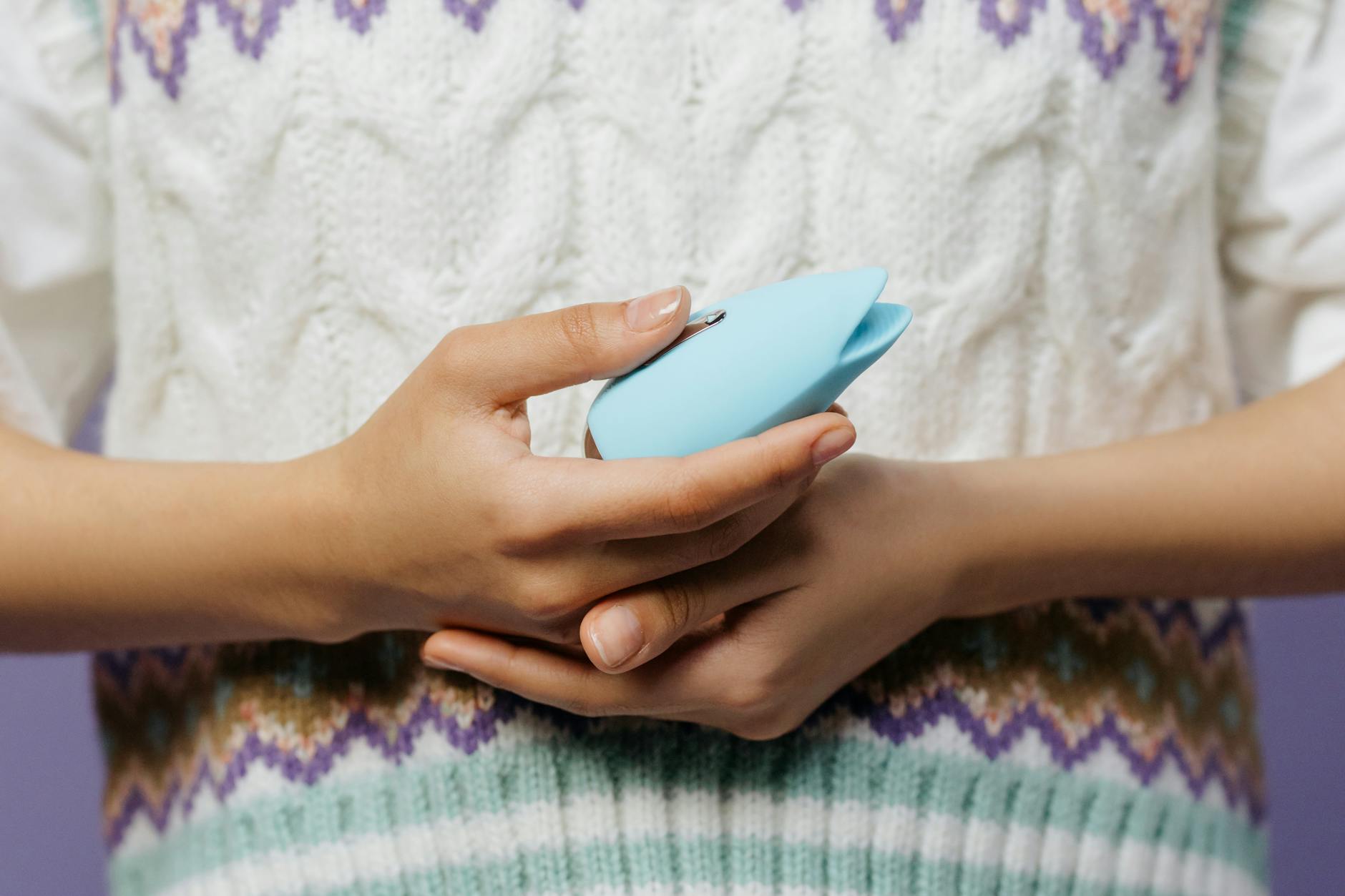
Clitoral vibrators like the ones from Helo Nancy Lemons can be excellent tools for relearning pleasure, but only if you use them with specific intention. Here's how.
Start with curiosity, not performance. Pick a time when you're alone and your nervous system feels relatively settled. Not right before bed when you're exhausted, not when you're rushing. Give yourself 20 to 30 minutes with zero pressure to come. The goal is to notice sensation, not to achieve orgasm. Use a lemon clitoral vibrator on the lowest setting. Move it slowly. Notice what feels okay, what feels like too much, what feels like nothing. This is data gathering, not sex.
Expect numbness. Plan for it. If you felt numb during depression, that numbness might linger. It will fade, but it doesn't fade on a schedule. Use a lemon sucker or air-suction style vibrator (like the Lem) because the gentler suction stimulation often feels less intense than direct vibration when sensation is muted. It can actually feel more effective when you're rebuilding.
Let pleasure feel small. A tiny flutter of something good is not a failure. A barely-there orgasm is not a sign you're still broken. These micro-moments of pleasure are actually your nervous system saying "yes, I remember how to do this." Celebrate them. Don't dismiss them as insufficient.
Rebuild in phases. Week one: solo, no pressure, low stimulation. Week two or three: introduce your partner into the room but keep solo exploration separate. They're there to hold space, not to perform or fix. Week four and beyond: when you feel ready, move toward partnered touch. But even then, keep your solo practice going. Depression recovery is a long arc, and consistent solo pleasure actually accelerates healing.
The role of your partner in this phase
If you're in a relationship, your partner needs a completely different job description right now. They are not responsible for fixing your desire. They're not failing if you don't want them. And they absolutely cannot be the person who judges whether you're "recovered enough" yet.
Your partner's job is to:
Support your solo practice without needing to be part of it. Be physically present but not demanding. Normalize that pleasure is being rebuilt, not withheld. Tell you they're glad you're prioritizing this. Resist the urge to prove the relationship is still alive through sex. It will be. But not right now. Right now, it's being rebuilt through patience, which is actually more intimate.
If your partner is struggling with this, couple's counseling is worth it. Not because anything is broken, but because depression affects both people, and navigating recovery together needs tools.
When to check in with your doctor
If you've been rebuilding for three to four months and desire still feels completely absent, mention it to your prescriber or therapist. Sometimes a medication adjustment helps. Sometimes a different antidepressant has fewer sexual side effects. Sometimes you need additional support with trauma that got surfaced during depression.
Also check in if numbness continues to feel complete even with solo practice. That can signal you need a medication tweak or that something else (like grief, or ongoing stress) is keeping your nervous system locked.
Depression recovery is not linear. Neither is rebuilding desire. Having a team (therapist, prescriber, partner, yourself) who gets that makes everything easier.
The truth about the other side
Here's what I've seen across decades of working with people rebuilding after depression: their relationship to pleasure often becomes more intentional and honest. Because when you've had to consciously reconnect with your own body, with desire, with orgasm, you stop taking it for granted.
You stop waiting for pleasure to happen to you. You start knowing what you actually want. You use tools like lemon vibrators not because you have to, but because you actively choose them. And that shift? That's where real intimacy lives.
Depression was real. The flatness was real. The effort to rebuild is real. And on the other side of it is a you who knows how to pleasure yourself deliberately, how to ask for what you want, and how to trust your own body again. That's not recovery. That's actually growth.
FAQ
How long does it take for desire to come back after depression?
There's no standard timeline. For some people, desire starts returning within weeks as mood stabilizes. For others, it takes three to six months. Antidepressants can slow this timeline by two to four weeks. The important thing to know is that waiting passively doesn't help. Active, pressure-free exploration with tools like lemon vibrators or air-suction clitoral vibrators actually accelerates the process because you're signaling to your nervous system that pleasure is safe again.
Can I use vibrators while on antidepressants?
Completely safe. Antidepressants and vibrators have no interaction. What happens is the antidepressant might make orgasm harder to reach, but a vibrator's consistent stimulation often compensates for that. Some people find that switching to a more gentle suction vibrator (like air-suction style) feels more effective than traditional vibration when medication is dampening sensation.
Should I tell my partner I'm using vibrators to rebuild?
Yes, eventually. Not as a confession or apology. As an update on your recovery. Something like: "I'm rebuilding my relationship with my own pleasure right now, and I need some solo time for that. It's part of getting better, not away from you." Most partners actually feel relieved because it means you're taking active steps instead of waiting for them to somehow fix it.
What if I still can't feel anything after a few months of trying?
Talk to your doctor or therapist. It might mean your medication needs adjusting, or there's additional depression-adjacent stuff (like grief or dissociation) that needs specific treatment. It's not a sign you're broken forever. It's a sign you need a different tool or approach.
Is it okay to skip vibrators and just focus on partner sex?
Not ideal, honestly. Partner sex adds performance pressure, and your nervous system is already stressed from depression. Solo exploration with tools like lemon vibrators gives you agency and removes the need to keep your partner happy while you're relearning your own body. Do the solo work first. Partner sex will be better, I promise.
How do I know when I'm ready to reintroduce partnered intimacy?
You'll feel a shift. Pleasure starts to feel less like work. Orgasms become more consistent, even if they're smaller. You stop thinking about your body from the outside and start feeling it from the inside. That's the signal. Not when you think you "should" be ready. When you actually feel it.
A final word
Depression doesn't steal your sexuality. It freezes it temporarily. The person underneath your depression is still you. Your desires are still there. And rebuilding isn't weakness. It's the most intimate thing you can do with yourself.
Start small. Use tools that feel gentle and exploratory. Trust that desire will return because neurologically, it will. And if you need support along the way—a therapist, a different medication, a partner who gets it—that's not giving up. That's you choosing yourself.
Your pleasure matters. Even now. Especially now.