Here's what nobody tells you
Penetration pain after 45 doesn't mean your body is broken. It means it's changed. Those are not the same thing, and the difference matters because one feels like a diagnosis and the other feels like information you can actually work with.
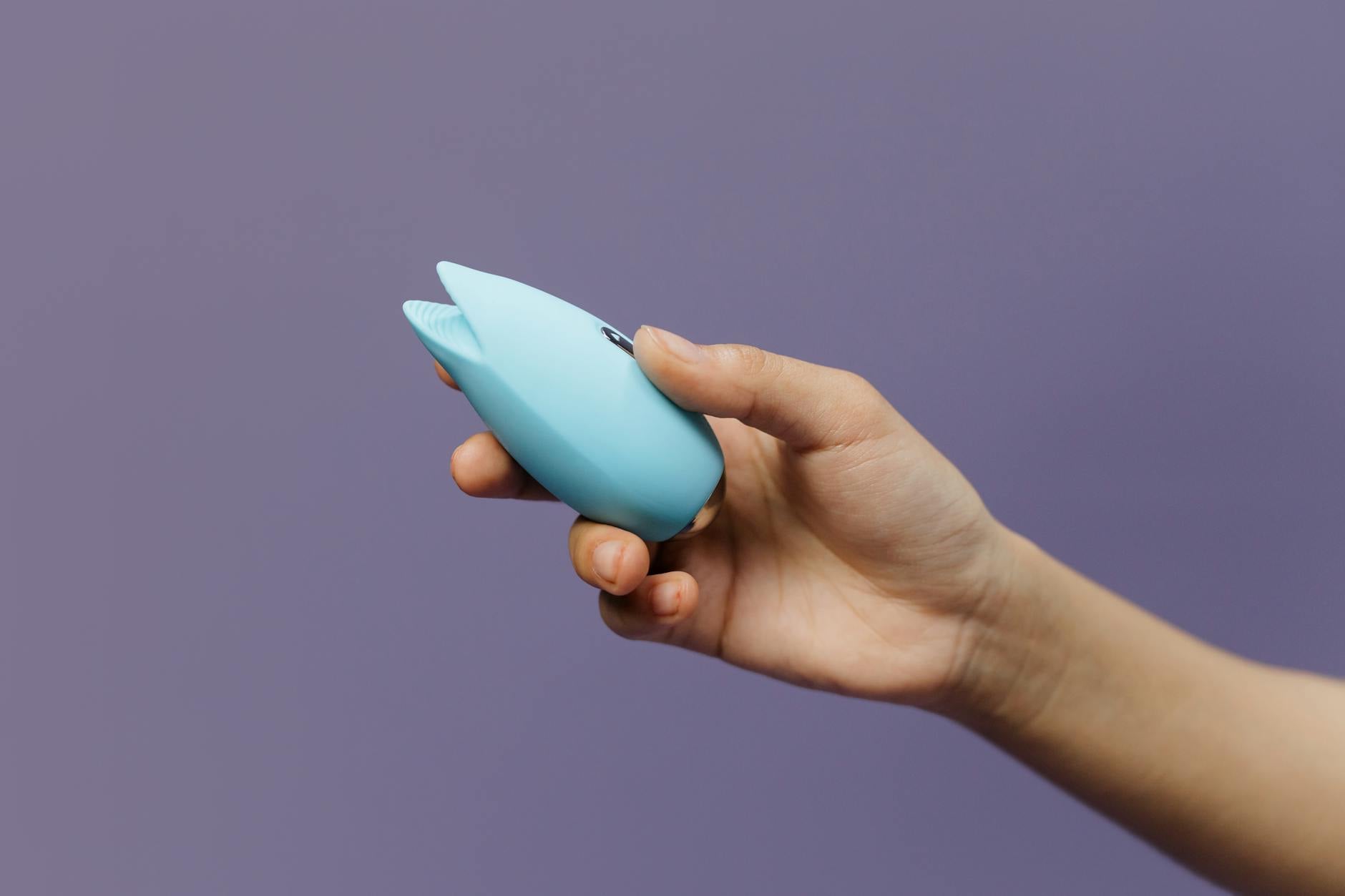
I've sat across from hundreds of people in their mid-forties and beyond who assumed penetration discomfort meant they were done with sex. Almost every one of them was wrong. Most found that switching their focus to external clitoral stimulation with tools like lemon clitoral vibrators not only solved the pain problem but also opened up pleasure they'd never experienced before.
Let's talk about why this happens, what it actually means for your sex life, and how to rebuild something that works better than what you had.
Why penetration starts feeling different after 45
Three main culprits work together here.
First, tissue thickness. Estrogen supports the vaginal wall. When estrogen drops (whether from perimenopause, menopause, or just aging), the vaginal tissue becomes thinner and more fragile. This isn't weakness. It's just physics. Thinner tissue is more sensitive to friction and pressure, which means penetration that felt fine at 35 can feel uncomfortable at 50.
Second, the pelvic floor gets confused. As estrogen drops, the pelvic floor muscles lose some elasticity and can become either too tight or inconsistently tense. During arousal, a healthy pelvic floor should relax. If it doesn't, penetration becomes painful or impossible. This happens partly from hormonal changes and partly from decades of unconscious tension patterns.
Third, lubrication changes. Not just quantity, though that matters. The actual chemistry of natural lubrication shifts after 45. It becomes thinner, more watery, and doesn't coat as effectively. Water-based lube helps, but it's not a complete replacement for what your body used to produce on its own.
All three of these are treatable. None of them are permanent. And none of them require you to abandon pleasure.
Why lemon clitoral vibrators matter in this transition
The clitoris doesn't care about any of those three factors. It's not affected by the same tissue thinning that impacts the vaginal wall. Its nerve density doesn't change with age. Its capacity for sensation and orgasm remains intact.
When penetration becomes uncomfortable, the instinct is often to push through it or give up sex entirely. The actually useful move is to pivot. That means moving your primary focus from penetration to external clitoral stimulation, at least temporarily while you're addressing the underlying changes.
A lemon vibrator or lem vibrator works particularly well for this because the suction mechanism stimulates the clitoris without the kind of repetitive friction that can feel irritating on sensitive skin. The pattern changes keep things interesting. The intensity is highly controllable.
Many people find that exploring clitoral pleasure more deeply at 45, 50, or beyond is the first time they've given that area the sustained attention it deserves. The result is often more powerful and satisfying orgasms than they had when penetration was the main event.
The physical adjustments that actually help
Four things shift the experience immediately.
Use estrogen cream if penetration pain is significant. This isn't optional if you want to continue with any penetration eventually. Vaginal estrogen cream (like Premarin, Estrace, or generic alternatives) has minimal systemic absorption but transforms tissue quality in 4-6 weeks. Talk to your doctor about it. It's available over the counter in many places.
Switch to water-based lube and use more than you think you need. Not a thin coat. A generous amount. Reapply if sensation changes. Silicone-based lube feels richer but can damage toys, so stick with water-based if you're using any toy including a lemon vibrator.
Pelvic floor work that includes relaxation, not just strength. Most people assume a stronger pelvic floor is always better. Wrong. After 45, you often need to learn to release tension, not add more. A pelvic floor physical therapist can teach you this in 3-4 sessions. It's not expensive and it changes everything.
Oral or topical testosterone if desire tanked alongside the pain. Testosterone drops gradually after 40 for people with ovaries, and for some people that's a bigger driver of dysfunction than the tissue changes. If desire has disappeared along with comfort, this is worth discussing with a menopause-informed doctor.
How to introduce lemon vibrators without guilt or pressure
Let's be clear about something first: you don't need a toy to have good sex. You don't need a toy to have pleasure. A lemon clitoral vibrator is a tool. Tools are useful when they solve a specific problem.
In this case, the problem is that penetration has become uncomfortable or painful, and you want a way to have pleasure that doesn't involve penetration while you're figuring out the longer-term fixes.
If you have a partner, the conversation is important. Not because you need their permission, but because their understanding shifts how the experience feels. Something like: "Penetration's been uncomfortable, and I'm working on solutions. In the meantime, I'd like to explore external stimulation more. I'm interested in trying a clitoral vibrator. Would you want to be part of that, or would you prefer I explore solo first?"
Solo exploration is actually the better place to start. You learn what patterns, intensities, and speeds work for your body without the pressure of performing or worrying about someone else's experience. Start with pattern 1 or 2 on a lemon vibrator. Give yourself 15-20 minutes. Notice what feels good, what feels too intense, where the sensation is strongest. This is information.
Many people find that after a few solo sessions with a lemon clitoral vibrator, they're ready to incorporate it into partnered sex. Some stay with it as their primary pleasure tool alongside other kinds of touch with a partner. Both are completely valid.
When to see someone about this
If pain during penetration is sharp, severe, or accompanied by bleeding or infection symptoms, get evaluated by a gynecologist. Genitourinary syndrome of menopause (GSM) is one cause, but there are others including pelvic floor dysfunction, endometriosis, or infection that need different treatments.
If penetration pain has been going on for over a year without improvement, a pelvic floor physical therapist is worth the investment. Most insurance covers it. One person I worked with had six months of pain before seeing a PT and solved it in three sessions.
If desire has completely evaporated along with comfort, talk to a menopause-informed doctor about testosterone therapy. It's not always the answer, but when it is, it's life-changing.
The actual timeline
Honestly? You're not looking at forever. Most of the time, when people make these adjustments together (addressing tissue, relaxing the pelvic floor, adding external stimulation in the meantime, maybe using topical estrogen), significant improvement happens in 6-12 weeks.
Some people then return to penetration. Some people find they prefer the pleasure of external clitoral stimulation and keep that as their main practice. Both outcomes are normal.
The one thing I know for certain from working with hundreds of people through this transition: penetration discomfort at 45 is not the end of your sex life. It's often the beginning of a better one, because for the first time you're building pleasure on what actually feels good instead of what you think you're supposed to enjoy.

Photo by cottonbro studio on Pexels
Frequently asked questions
How long does it take for tissue to improve with estrogen cream?
Most people notice meaningful change in 4-6 weeks of consistent daily use. Full improvement can take 8-12 weeks. You'll likely feel the difference before you see it. The sensation during arousal shifts first. The actual tissue thickness takes longer to rebuild. Keep using it even after things feel better. It's maintenance, not a short-term fix.
Can I use a lemon clitoral vibrator if I haven't used any toys before?
Absolutely. Start with low intensity and familiar patterns. The suction mechanism on a lem vibrator feels very different from traditional vibration, so give yourself time to figure out what you like. Solo exploration first is gentler on your nervous system. Many people find that trying a clitoral vibrator for the first time after 45 is actually easier than trying it younger because there's less performance pressure.
Will using a lemon vibrator make penetration feel boring if I go back to it?
No. They serve different functions. Penetration offers fullness and different kinds of pressure. External clitoral stimulation offers focused, intense sensation. Most people use them in combination. Adding a lemon clitoral vibrator to partnered sex usually makes the whole experience better, not narrower.
What if my partner thinks using a vibrator means I'm not satisfied with them?
That's a conversation worth having, because it reveals something about how your partner thinks about sex and pleasure. A vibrator isn't a replacement. It's a tool that does something a person's body can't do alone. A lemon vibrator is especially useful because it's not trying to replicate penetration. It's offering something different. If your partner is resistant, couples therapy can help you both understand what's actually being triggered.
Is it normal for sensation to feel stronger in some spots with a lemon vibrator?
Very normal. The clitoris has different zones of sensitivity. The glans (the visible tip) is often most sensitive. The body of the clitoris (inside, under the hood) is sensitive in a different way. The wings (lateral portions) may be less sensitive. A lemon vibrator's suction mechanism stimulates differently than direct vibration, so you might find new areas lighting up. That's discovery, not weirdness.
Can penetration pain come back after it improves?
Sometimes, yes. If you stop using estrogen cream or stop pelvic floor work, tissue changes can slide backward. That's why it's maintenance, not cure. You also might notice penetration comfort fluctuates slightly with stress, hormonal patterns (if you haven't fully completed menopause), or changes in sexual frequency. That's normal. Consistency with the underlying treatments usually keeps things stable.
What happens next
Start with one conversation: with yourself or with a doctor about whether estrogen cream is right for you. Then try one thing: either a session with a pelvic floor PT or a solo exploration with a lemon clitoral vibrator. Most of the time, one action shifts everything because it means you're finally treating this as solvable instead of just enduring it.
Penetration discomfort after 45 doesn't have to mean the end of pleasure. It means your body is asking you to pay attention and adapt. Usually, when you do, you find something better waiting on the other side.
If you want to talk through what might work best for your specific situation, let's connect. I'm here to help you figure out what pleasure looks like for you right now.