Let's talk about the overwhelm
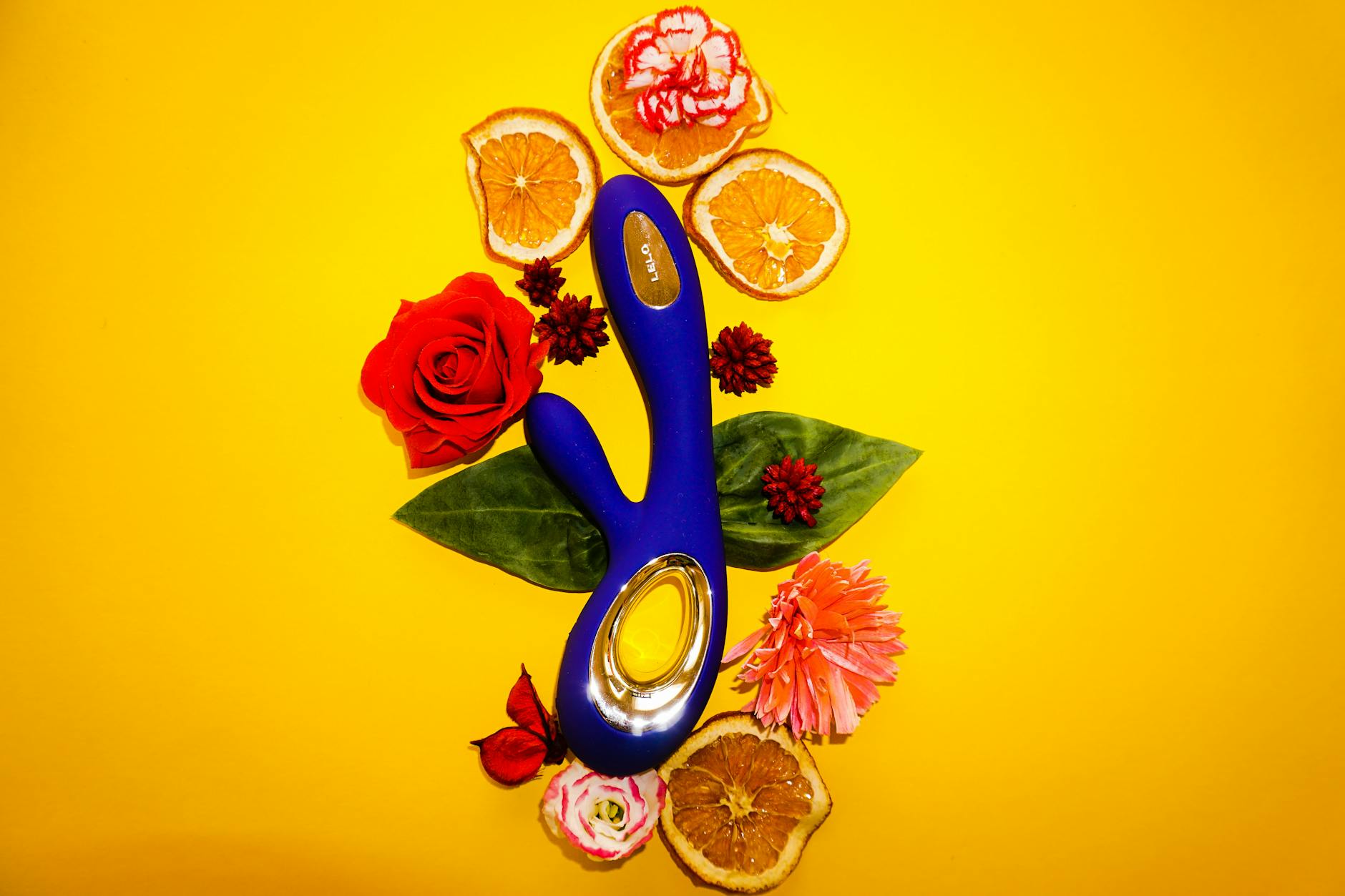
Here's what nobody mentions when they recommend a lemon clitoral vibrator. The suction can feel like too much. Not because you're broken or because your body is rejecting the toy. It's because air-suction technology was designed to deliver intense, sustained stimulation to the clitoral area, and if your tissue is sensitive or you're new to this kind of sensation, it can feel less like pleasure and more like pressure you didn't consent to.
This is fixable. Most people who find lemon vibrators overwhelming initially end up becoming devoted users once they learn the adjustment techniques. The key is matching the intensity to your nervous system's current tolerance, not forcing yourself to adapt to maximum settings.
Why suction feels more intense than vibration
Traditional vibrators move side to side or up and down at varying speeds. A lemon clitoral vibrator (and other suction toys) uses gentle vacuum pressure combined with pulsation. The difference matters.
When you apply suction to the clitoris, you're creating sustained pressure across a larger surface area of the tissue. The nerve endings there are extremely dense. In people with sensitive clitorises, or during times when clitoral tissue is inflamed from recent stimulation, illness, or hormonal fluctuations, that pressure can register as too strong before it registers as pleasure.
Your clitoris is not small by accident. Most of it is internal, and when you're aroused, the tissue swells and becomes more sensitive to pressure changes. Use a lemon vibrator before your body is ready, and instead of building toward orgasm, you might feel numbness, sharp sensations, or discomfort.
Start with pattern one every single time
Most people skip this. They get the toy, turn it on, and jump to medium settings to "give it a real try." Then they spend two weeks thinking lemon vibrators aren't for them.
Pattern one (the gentlest pulse setting on a Lem) is not a warm-up. It's a legitimate pleasure setting for a significant portion of people, particularly those with sensitive tissue. Use it as your default entry point, not a stepping stone.
Here's the rhythm. Turn the toy on at pattern one. Hold it very lightly against the outer edges of your clitoris, not directly on the head. You're exploring sensation, not chasing orgasm. Spend 3-5 minutes here. Your job is to notice what you feel, not achieve anything.
If pattern one feels pleasant, you can stay there for the entire session. Orgasms built from gentle patterns often feel deeper and more full-body than ones rushed at high intensity. If it feels like too much even at pattern one, you're telling yourself something important about where your body is right now.
The angle makes a visible difference
Position changes the sensation profile dramatically. Most people assume you use a lemon clitoral vibrator by centering it directly on the clitoral head. That's one option. It's also the most intense one.
Try these placements instead.
Approach from the side. Angle the toy so it's stimulating the shaft of your clitoris rather than the glans (the head). This is gentler and often more sustainable for longer sessions. The sensation builds more gradually, which also means more control over when intensity increases.
Stimulate the labia around the clitoris, not the clitoris itself. Your outer labia have sensitive nerve endings too, and they connect to the clitoral network. You're getting clitoral pleasure without direct pressure. This is especially useful if you're dealing with clitoral numbness on one side of your body or if direct contact feels too sharp.
Hold the toy at an angle instead of flat against your skin. Tilting changes the pressure distribution. A 45-degree angle usually feels lighter than full-surface contact.
All of these are legitimate ways to use a lemon vibrator. The toy works exactly the same. What changes is the intensity your body receives.
Lubrication is not optional
Dry clitoral tissue feels rougher, which means suction intensity increases. Add a water-based lubricant before you even turn the toy on.
Lube does two things here. First, it creates a smooth surface that the toy glides across, which reduces the friction component of the sensation. Second, it allows you to use lighter contact with the toy while maintaining sensation. You're not pressing harder. The lube is working for you.
Use about a dime-sized amount, reapply every few minutes if the session is longer than 10 minutes. Some people find that adding lube actually reduces the sensation intensity by 20-30 percent, which is often exactly what someone with an overwhelming response needs.
Build your tolerance gradually, not all at once
This is a real phenomenon. If you use your lemon vibrator at pattern one for three days, on day four, pattern one might feel less intense than it did before. That's not the toy getting weaker. That's your nervous system adapting to the sensation. Pleasure is partly neurological, and your brain recalibrates based on repeated stimulus.
This is why patience matters. If you jump from pattern one to pattern five because pattern one stops feeling as intense, you'll overwhelm yourself again. Instead, plan to spend a week or two at each pattern level before moving up.
This sounds slow. It's actually not. In a week, your clitoral tissue gets used to pattern one. In two weeks at pattern two, you've built baseline tolerance. By week three or four, moving to pattern three feels right. Most people reach their ideal intensity (often pattern 3-5) within a month of consistent, gentle exploration.
When to pause and reset
If you feel sharp pain, numbness that doesn't fade, or a burning sensation, stop. These are your body's hard signals. This isn't prudishness. Sharp clitoral pain often indicates tissue inflammation, and continuing will make it worse, not better.
Take a break. Forty-eight hours is usually enough for acute inflammation to settle. When you return, use pattern one again and stay there longer. You might also want to check if you're stressed or if your clitoris is visibly more sensitive than usual due to hormonal cycles, recent penetrative sex, or other factors.
Stress and anxiety directly affect how overwhelming sensation feels. If you're in a high-stress period, your clitoris will feel more reactive. This is not permanent. It's your nervous system being appropriately protective. Give yourself permission to dial back intensity during these times without seeing it as backsliding.
The mental side matters as much as the physical
Between you and me, a lot of overwhelm lives in your head, not just your body. If you're expecting to hate it (because a friend told you it was "too much," or because your previous vibrator was uncomfortable), your nervous system will interpret the sensation through that lens.
Go in curious, not defensive. Tell yourself pattern one is an experiment, not a judgment of whether lemon vibrators are for you. Let yourself feel neutral about the sensation before deciding whether you like it.
You're also allowed to decide that maximum intensity isn't your jam. Plenty of people who use lemon clitoral vibrators regularly never go above pattern 3 or 4. The toy has six patterns because different people have different preferences, not because you're supposed to use all of them. Your ideal intensity is the one that feels good to you, full stop.
FAQ: Intensity and overwhelm
What if pattern one still feels too strong?
Place the toy over your underwear or a thin layer of fabric. This adds subtle distance and reduces intensity by about half. Use it this way for a week or two until your body acclimates. Then gradually move to skin contact. Some people continue using this method indefinitely, and that's completely valid.
Can I use numbing cream to reduce sensation?
Not recommended. Numbing products mask pain signals, which is your nervous system's communication tool. If you're numb to overwhelming sensation, you might also numb to pain, which increases injury risk. Work with reduced intensity instead of masking sensation.
How do I know if I'm damaged from using the toy too intensely?
You're not. Clitoral tissue is resilient. Temporary numbness, soreness, or reduced sensation after intensive use fades within 24-72 hours. If numbness lasts longer than a week or returns frequently, take a longer break (2-4 weeks) and consult a gynecologist when you resume.
Is it normal for only one side of my clitoris to feel overwhelmed?
Yes. Your clitoris has two internal arms, and they can have asymmetrical sensitivity. This is also true for sensation changes after surgery, injury, or hormonal shifts. Adjust your angle and contact point to the less sensitive side, or use the left-side-only approach described earlier.
Should I use a lemon vibrator if I have vulvodynia or vaginismus?
Talk to your pelvic floor physical therapist or gynecologist first. These conditions involve nerve sensitivity, and while some people with them find air-suction toys helpful at very low intensities, others need a complete break from vibration. Your provider can help you assess whether pattern one is appropriate for your specific situation.
Can the Lem cause lasting clitoral desensitization?
No. The Lem uses suction and pulsation, not numbing vibration. Your clitoris may need recovery time after intense use, but that's a temporary recalibration, not damage. Space sessions 24-48 hours apart during your learning phase, and your sensitivity will remain stable.
You're not broken, just finding your rhythm
Intensity overwhelm is one of the most common reasons people think lemon vibrators aren't for them. Then they learn to work with their body's signals instead of against them. Suddenly the toy clicks, and they realize they'd been approaching it backwards.
Your body knows what it needs. Start at pattern one. Stay there as long as it takes. Notice how sensation changes when you shift angle, add lube, or reduce pressure. Let yourself feel bored or curious or neutral before you decide whether this toy is for you.
Pleasure shouldn't feel like a challenge you're failing. If you want to explore lemon clitoral vibrators with a gentler approach, reach out to our team to discuss what might work best for your sensitivity level.