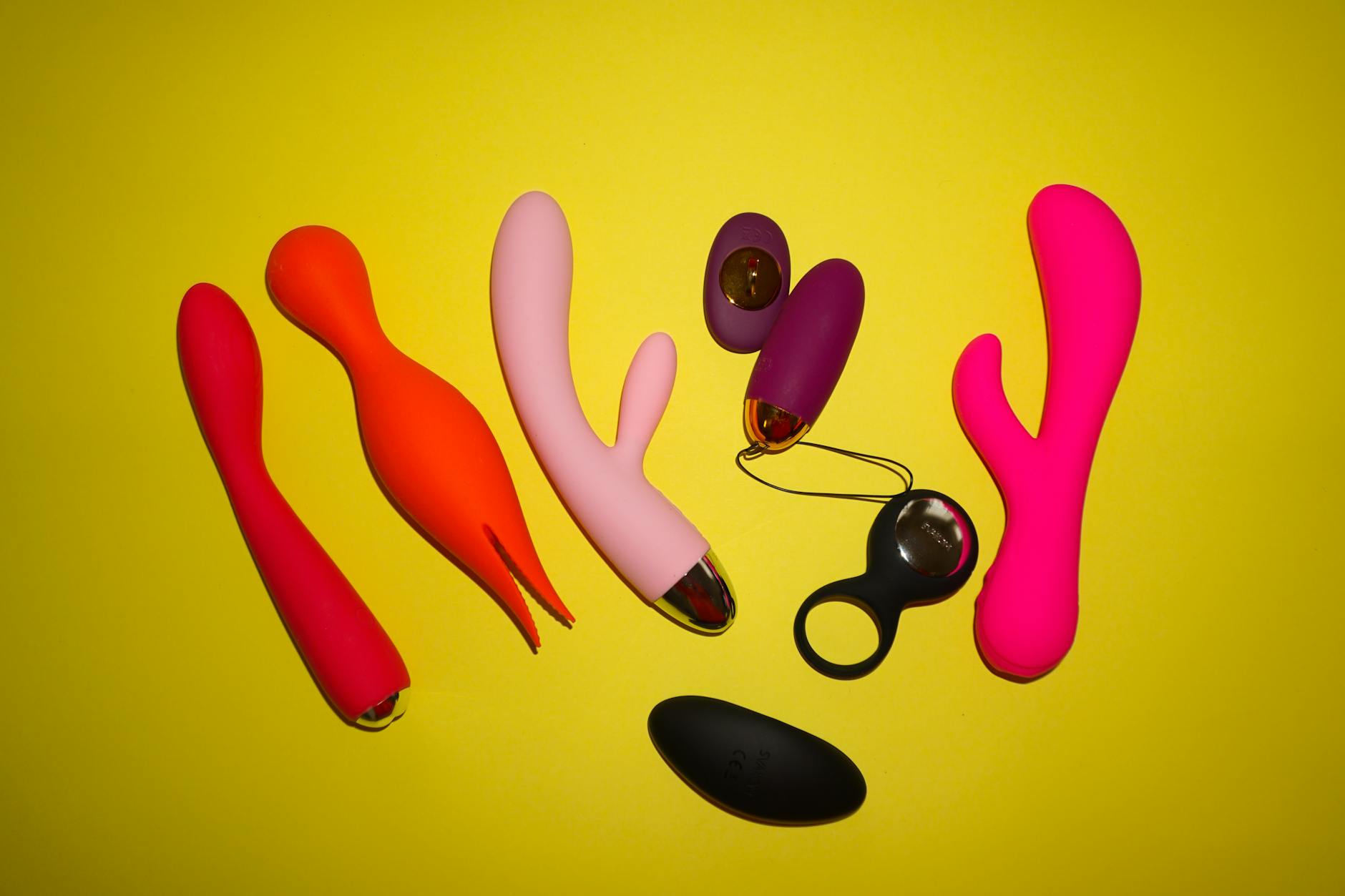
How to Use Lemon Vibrators When Clitoral Arousal Takes Longer After 35
Let's be real: something shifts around 35. Not everything breaks. But the speed changes. What used to take five minutes can take fifteen. What got your attention instantly now requires a warmup. If you've noticed your body responding slower to touch, slower to vibration, slower to anything, you're not imagining it. This is one of the most common things people don't talk about, and it's completely manageable once you understand what's actually happening.
Here's what I see in my practice: people panic. They assume their libido is tanking or their partner isn't attractive anymore or they've somehow "broken" their pleasure response. Usually none of that is true. Your nervous system just changed the tempo.
What actually changes after 35
There's a cluster of things happening at once, and none of them are failures.
First, hormonal fluctuations intensify as you approach your late 30s and beyond. Even if you're not in perimenopause yet, estrogen and progesterone begin their slow decline. This affects blood flow to the clitoris. More blood flow used to mean faster arousal. Less of it means the same sensation takes longer to build the same level of stimulation.
Second, blood vessel elasticity decreases gradually. Your cardiovascular system is still working perfectly, but the vessels that engorge during arousal respond more slowly. It's not dysfunction. It's just physics.
Third, your nervous system's sensitivity to stimulation adjusts. This sounds bad but it often isn't. Many people find that once they do get there, sensations feel richer, more nuanced. The trade-off is that the on-ramp gets longer.
Fourth, stress and cortisol patterns change. By 35, most people have accumulated more life. Work deadlines land differently. Relationship negotiations happen. Grief shows up. All of that lives in your nervous system and genuinely delays arousal.
Why lemon clitoral vibrators matter at this stage
Here's the thing about suction-based stimulation like the Lem: it bypasses some of the traditional arousal bottleneck.
Direct manual touch or friction vibrators rely on fast blood flow to build sensation. If your blood flow is slower, those tools take longer to feel like anything. Suction works differently. It creates a gentle vacuum that draws blood into the tissue and stimulates nerves without requiring the same level of baseline arousal. You can start using it earlier in the warmup cycle. You don't have to wait until you're already halfway there.
I often recommend lemon vibrators to people after 35 specifically because they compress the timeline without forcing your body. You're not fighting physiology. You're meeting your body where it actually is.
The new warmup protocol
Forgot what worked at 25. Budget differently now.
Instead of a 5-minute lead-in, plan for 15-20 minutes before you need to feel anything. This isn't depressing. This is actually better. Here's why: the longer, slower build often leads to fuller arousal states. You end up more present.
Minutes 1-5: Disconnection breaking. Put your phone in another room. Close the door. Wear whatever feels good. This isn't about looking sexy. It's about settling your nervous system. Slower arousal means your brain is still catching up to your body, so create actual space for that.
Minutes 6-10: Touch and sensation. Use hands, a partner's hands, whatever. No vibration yet. The goal here is blood flow activation. Run hands along inner thighs, collarbone, neck. Places with thin skin and good nerve density.
Minutes 11-15: Introduction of the Lem. Start on the lowest setting (pattern 1 or 2). Don't jump to intensity. You're introducing the vibration gradually. At this point in your arousal window, the gentler suction feels good without overstimulating. Many people find patterns 2-4 work better than pattern 1 once you're actually in the middle of things.
Minutes 16+: Build and response. If you're feeling it, stay at the intensity level that feels right. If you need more, move up. The key difference is you're not looking for an instant spike. You're looking for sustained sensation that builds gradually.
Common timing shifts and what they mean
Here's what I hear most:
"It takes way longer to feel anything." This is the most common report. Your clitoris is still responding. The initial sensation just takes longer to register as pleasure. That's vascular. Give it the time. The Lem helps because you can start the stimulation earlier and let it build gradually rather than trying to force intensity on a body that isn't ready.
"I feel sensation but it doesn't build into arousal." This usually points to nervous system activation. You're in your head. Check: Are you rushed? Is this stolen time you're anxious about? Do you have real privacy? Sometimes the timeline isn't physiological. It's psychological. Create actual space and the building happens more naturally.
"Orgasm takes twice as long but feels deeper." This is incredibly common and actually a great trade. Many of my clients describe post-35 orgasms as more full-body, less localized. It takes longer to reach but the arrival is richer. Your body isn't breaking. It's reorganizing pleasure.
"I can feel it building but then it plateaus." This is a pacing issue. You're hitting a threshold and your nervous system is hesitating. Try varying the intensity on your Lem instead of staying constant. Pattern 2, then 4, then 2 again. The variation sometimes helps your body commit to the sensation.
Positioning and pressure for longer arousal cycles
When arousal takes longer, your positioning matters more.
You need to be genuinely comfortable. Any physical tension reads as resistance to your nervous system. If you're tensing your legs or your back, arousal slows further. Use pillows. Lie on your back, slightly reclined. Keep your knees supported. This sounds basic but most people try to get off in positions that were fine at 25 but create low-level tension now.
With the Lem, angle matters. Hold it so the suction cup sits fully on the clitoral hood or glans. If you're positioning it at an angle or partially, you'll feel pressure but less of the suction benefit. Slow arousal means every element has to be optimized. Full contact, correct angle, steady pressure.
Many people find that combining Lem use with hand stimulation on other areas speeds the overall arousal timeline. Your clitoris gets the Lem. Your partner or your other hand works inner thighs, breasts, neck. Your nervous system responds to multiple inputs faster than single-point stimulation.
Mental framework shifts that actually help
This might sound obvious but it changes everything: stop treating the longer timeline as a problem.
In my practice, people who shift from "my arousal is broken" to "my arousal is different and I'm learning it" almost always report satisfaction returning faster. This isn't motivational talk. It's genuine neuroplasticity. Your brain processes the longer timeline as less stressful once you accept it.
The specific shift: instead of "I need to speed up," think "I get to take my time." Longer arousal used to feel like a bug. Post-35, it's often a feature. You don't have to rush. Your arousal can be a full experience instead of something that happens to you while you're waiting for it.
When slower arousal points to something else
Longer timelines after 35 are normal and typical. But there are a few situations where it signals something worth addressing:
If arousal disappeared entirely, not just slowed down. This often points to stress, medication, or hormonal imbalance worth discussing with a doctor. Slower is normal. Absent is different.
If the timeline change happened suddenly between one month and the next. Gradual shift is normal aging. Sudden drop can indicate thyroid changes, new medication, relationship stress, or depression. Worth checking in with a healthcare provider.
If longer arousal is paired with pain or numbness. Slower arousal alone is fine. Adding pain changes the conversation. Get evaluated.
FAQ
How long should arousal actually take after 35?
There's no universal timeline, but 10-20 minutes is common after 35 compared to 5-10 minutes in your 20s. Some people notice changes at 32, others not until 42. The Lem helps because it works with your actual timeline instead of fighting it. You can start using it earlier and let the stimulation build gradually rather than waiting for your body to "catch up."
Does using a lemon vibrator too early in arousal make the rest take longer?
Not really. Starting early with low intensity actually tends to help because you're gradually bringing blood flow and neural activation into the area. The Lem's suction mechanism works independently of your arousal state, so you can begin with pattern 1 or 2 and build from there. Many people find it easier to continue once they've started the gentle stimulation.
Is slower arousal after 35 permanent?
Yes and no. The general pattern tends to stick, but you can optimize it. Stress management, cardiovascular health, pelvic floor strength, and relationship connection all shift timelines. You probably won't get back to 25-year-old arousal speed, but you might compress 20 minutes down to 12 with the right combination of factors. The Lem helps because it removes some of the speed dependency.
Should I try staying off lemon vibrators for a while to "reset" my arousal?
No. Taking breaks doesn't reset anything. Your arousal changed because your physiology changed, not because of the tool. Lemon clitoral vibrators actually work better with slower arousal cycles because they don't require the same baseline sexual activation to feel good. Using them regularly teaches your nervous system the new timeline, which makes response more reliable.
Can slower arousal mean my partner isn't attractive to me anymore?
Very rarely. Almost every time I see this, it's a physiology issue plus a narrative problem. Your partner didn't change. Your clitoris's vascular response changed. But if you're interpreting slower as "less interested," you create anxiety, which slows arousal further. The shift is real. The meaning you're assigning to it is often wrong.
Does the Lem work differently on slower arousal timelines?
Slightly. With faster arousal, many people jump straight to patterns 4-5 and climax quickly. With slower arousal, the gradual pattern increases (2, 3, 4, staying for 2-3 minutes at each) tend to work better because you're building sensation systematically rather than trying to shock your body into response. Start lower, move slower, stay longer.
The bottom line
After 35, arousal doesn't disappear. It reorganizes. What takes longer often feels deeper. What requires patience often leads to better presence. Tools like lemon vibrators actually make sense at this stage because they meet your physiology where it is instead of asking your body to perform like a younger version of itself.
Your timeline changed. Your capacity didn't. That distinction is everything.
If you're navigating arousal shifts or relationship changes around this transition, that's worth exploring with real support. Reach out and let's talk about what's actually happening in your body and your connection.