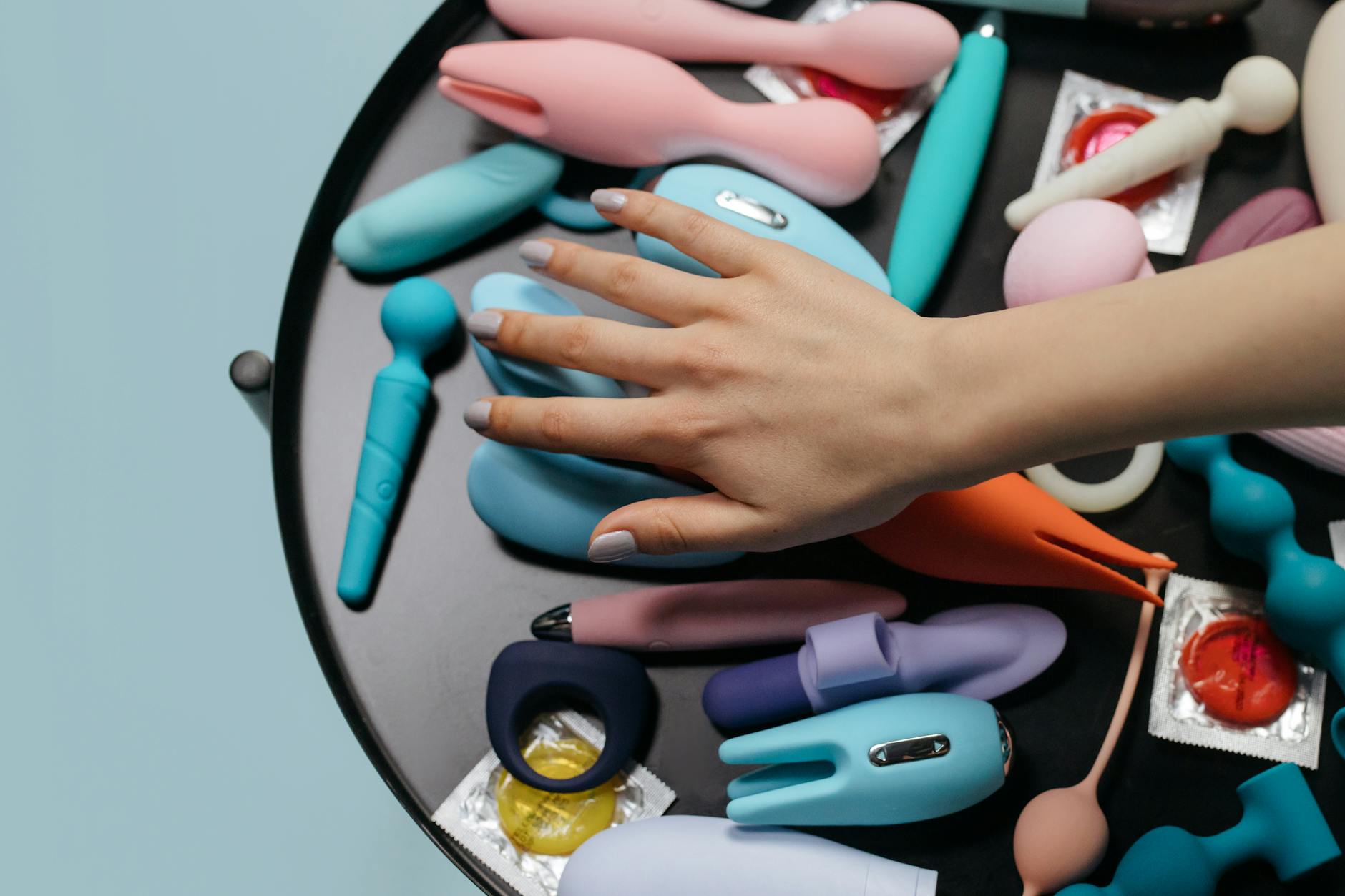
When sensitivity just vanishes
Let's be real: you touch yourself and feel almost nothing. Or you were using your favorite lemon vibrator for months, and suddenly the sensation that used to build quickly now feels muted, distant, like you're reaching through a thick wall. It's frustrating and a little scary.
Here's what you need to know first: reduced clitoral sensitivity from allergies or skin irritation is temporary and fixable. It's not a sign of permanent damage. But it does change how you interact with any vibrator, including air-suction toys like the ones from Hello Nancy. The good news is that understanding what's happening makes the rebuild much faster.
What allergies and irritation actually do to sensation
Your clitoris has roughly 8,000 nerve endings packed into a tiny area. When the skin around it gets irritated, swollen, or inflamed, those nerves get compressed and overwhelmed. Instead of sending clear pleasure signals to your brain, they send noise. Itch, burning, numbness.
Common culprits include:
Condom latex or lube ingredients. Nonoxynol-9, parabens, and glycerin trigger reactions in surprisingly many people. The irritation builds over days, so you might not connect it to your last partner encounter or toy session.
Fragrance and "intimate hygiene" products. Douches, scented wipes, and perfumed soaps alter your pH and kill protective bacteria. Your skin gets raw. Sensation flattens.
Toy material or residue. Silicone toys can trap bacteria if not cleaned properly. Phthalates in lower-quality toys also cause irritation. Even hello nancy lemon vibrators need regular cleaning with warm soapy water to prevent buildup.
Yeast or bacterial overgrowth. Sometimes what feels like a generic irritation is actually thrush or bacterial vaginosis. Sensitivity loss is common alongside discharge or odor changes.
Once the irritation starts, your nervous system goes into protection mode. Swelling increases pressure on nerve tissue. Blood flow shifts away from the clitoris and toward the inflamed areas. Pleasure pathways literally can't fire the same way.
Why your vibrator feels weaker right now
It's not weaker. You're experiencing genuine sensory loss, which changes how vibration registers.
When clitoral tissue is irritated, the skin barrier thickens as a protective response. This acts like insulation. Vibrations have to travel through more resistant tissue to reach the nerve endings underneath. A normal pattern that used to feel intense now feels like a whisper.
If you're using a suction vibrator like the Lem, the effect is even more noticeable. Suction works by creating a gentle seal and pulsing sensation. If the tissue around the opening is swollen, that seal doesn't form properly. The suction feels weak or uncomfortable instead of building pleasure.
This doesn't mean you should stop using a clitoral vibrator during irritation. It means you need to approach it differently.
The safe rebuild protocol
Three phases: pause, treat, reintroduce.
Phase One: Pause and treat the root cause (3-7 days).
Stop using any toy or internal stimulation for now. Your job is to let the tissue calm down. If you suspect an allergy, switch to fragrance-free lube (like plain water-based), stop using scented products, and let your natural microbiome rebalance.
If you suspect thrush (white discharge, intense itching, cottage-cheese texture), call your GP. Antifungal cream works fast.
If it's bacterial vaginosis, you might need antibiotics. Don't guess here. A 5-minute call to your doctor saves weeks of frustration.
Meanwhile, soak in warm water if the irritation itches badly. Skip baths with bubble bath or oils. Gentle, simple, boring.
Phase Two: Low-touch reintroduction (days 7-14).
Once the raw feeling stops, you can gently explore sensation without a toy. This tells you whether you're actually healing or just numbing.
Gently touch the outer edge of your clitoris with a clean finger. No pressure, no goal. Just notice what you feel. Tingling, warmth, nothing? All normal at this stage.
After a few days of this, you can introduce a lemon vibrator or any clitoral vibrator. Start at the lowest setting. Don't aim straight at the clitoris. Instead, angle the suction cup or vibration head slightly off to the side, targeting the tissue around the clitoral hood. This gives stimulation without overwhelming healing tissue.
Keep sessions to 5-10 minutes. Your goal isn't orgasm. It's rebuilding the nerve pathways slowly.
Phase Three: Gradual intensity increase (weeks 3+).
If Phase Two felt good, start increasing intensity by one pattern every 2-3 days. With a lemon vibrator, that might mean moving from pattern 1 to pattern 2, then to pattern 3.
Stay off any toys that caused the irritation in the first place. If condom latex triggered it, switch to polyisoprene or polyurethane. If a specific lube ingredient was the culprit, buy something simpler.
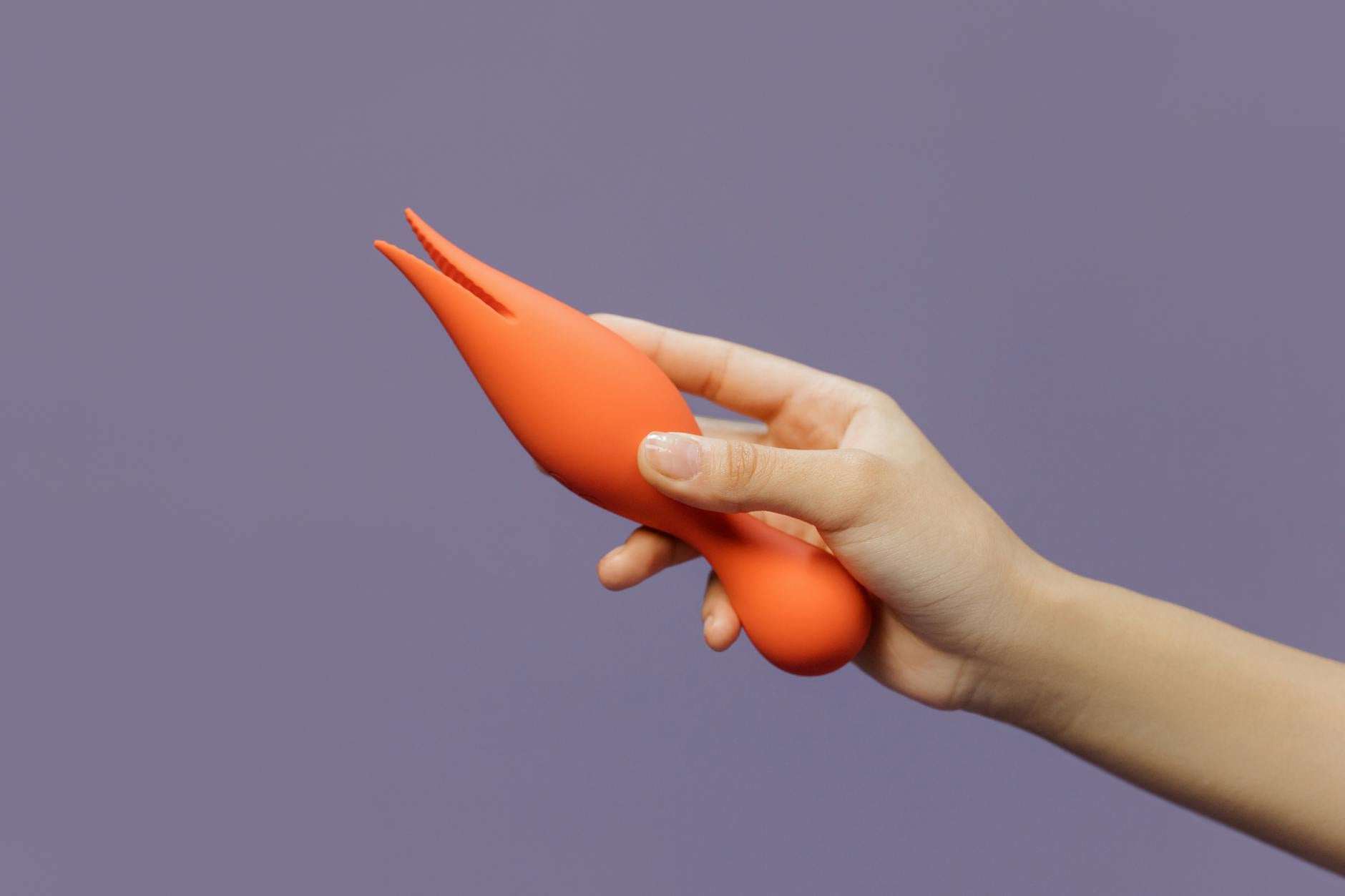
Photo by cottonbro studio on Pexels
Why suction vibrators often work better during recovery
If you're used to traditional bullet vibrators, a suction toy like those made by Hello Nancy offers a different type of stimulation that can feel gentler on irritated tissue.
Here's why: suction creates a broader area of gentle pulsing pressure rather than direct, concentrated vibration. This spreads the stimulus across more nerve endings instead of concentrating it on one sensitive spot. For people rebuilding sensitivity after irritation or allergy, that diffused sensation is often less overwhelming.
The Lem and similar lemon clitoral vibrators start at lower intensity levels anyway. You're not forced into high-power mode while your nervous system is healing.
That said, not every toy works for every person. If a suction vibrator still feels uncomfortable, stick with your fingers or a very low-vibration option until healing is complete.
What to avoid while rebuilding
Don't rush back to your old routine. Seriously.
Avoid anything scented (lube, toys, wipes, soap) for at least 4 weeks after the irritation clears. Even products labeled "gentle" or "natural" can trigger a second reaction if your microbiome is still rebalancing.
Don't use the toy that caused the irritation. If a specific lube, condom, or toy triggered the allergy, retire it. You have better options.
Don't douche or use "feminine hygiene" products. Your vagina cleans itself. All you're doing is disrupting the bacteria that protect you.
Don't masturbate or use toys through a full-blown yeast infection or bacterial vaginosis. You'll spread it and prolong the infection. Treat first. Play later.
Don't assume the irritation is mild. If it's not improving after 10 days, call your GP. Some irritations hide bigger issues.
The role of your partner (if you have one)
If you're partnered, reduced clitoral sensitivity can shift the dynamic. Communication matters more than ever here.
Tell your partner what's happening and what you need. "I'm dealing with some irritation right now, so my sensitivity is off. I'm not uninterested. I'm healing." This prevents them from taking reduced pleasure personally or feeling rejected.
Many people find that partnered touch feels different too during irritation. If intercourse feels uncomfortable, focus on other intimacy for a few weeks. Massage, kissing, manual stimulation to other areas. You're not pausing sex. You're pausing one form of it.
Sex after sensitivity loss can also feel psychologically loaded. You might feel anxious about whether you'll orgasm or whether your partner will get bored. That anxiety tenses your pelvic floor, which makes everything worse. When you're rebuilding intimacy, open conversations about pleasure expectations help more than performance pressure.
When sensitivity doesn't come back
Most irritation-triggered sensitivity loss resolves within 2-4 weeks of treatment. Some cases take longer, especially if the underlying cause was bacterial overgrowth or a delayed allergic reaction.
If you're past 4 weeks and still feeling numb, get a second opinion. You might have nerve damage from the irritation, reduced estrogen (which affects tissue thickness and sensation), or something else entirely. A pelvic health physical therapist or gynecologist trained in sexual health can run tests and identify what's blocking recovery.
Hormone changes sometimes overlap with irritation. If you're also experiencing other symptoms like hot flashes, joint pain, or mood shifts, you might be entering perimenopause. Reduced sensation after hormonal shifts requires a slightly different recovery approach. That's worth knowing.
FAQ: Reduced Clitoral Sensitivity and Vibrators
Can I use my lemon vibrator while I have an active allergic reaction or irritation?
No. Wait until the rawness or burning stops. Using a vibrator on irritated tissue increases swelling and delays healing. You're also conditioning your nervous system to associate pleasure with discomfort, which can create long-term sensitivity issues. If you really need release, use your fingers gently on unaffected areas. Save the toy for when healing is underway.
How do I know if it's an allergy or just normal irritation?
Allergies usually come with itching, swelling, or hives. Irritation feels raw, burning, maybe some discharge. Allergies often develop suddenly after using something new. Irritation builds gradually and might not have an obvious trigger. If you're unsure, avoid the suspected product for a week and see if symptoms improve. If they do, it's likely the culprit. A GP can also run allergy tests if reactions are severe.
Do I need to throw away the toy that caused the reaction?
Not necessarily. If you had an allergic reaction to a specific lube or condom, the toy is fine. Clean it thoroughly with warm soapy water, let it air dry, and you can use it again with a different product. If the toy itself caused the reaction (low-quality silicone or material degradation), retire it. Hello Nancy toys are made with body-safe silicone and are easy to clean, so allergic reactions are usually about what's used with the toy, not the toy itself.
Will reduced sensitivity become permanent if I keep trying to use vibrators?
Not from normal use. But if you use a vibrator on actively irritated tissue, you can cause additional inflammation that prolongs recovery. The key is timing. Pause during active irritation, reintroduce gently once healing starts, and avoid the trigger product going forward.
Can I speed up sensitivity recovery with anything?
Sleep, hydration, and reducing stress all support healing. If you're also managing an infection, completing the full antibiotic or antifungal course matters. Vitamin E oil applied externally can support skin healing, though evidence is limited. Some people swear by probiotics to rebalance their microbiome faster. But honestly, time and avoiding the trigger are the main accelerators. Patience feels slow, but it works.
What if the sensitivity loss is from condom latex but I need protection?
Switch to polyisoprene or polyurethane condoms. They're latex-free and work just as well for pregnancy and STI prevention. Use water-based lube with them (not silicone-based, which can degrade the material). You're not giving up safety. You're just changing the material. That alone usually resolves the irritation within a week.
Moving forward
Reduced clitoral sensitivity from allergy or irritation feels like a setback. It's not. It's your body asking you to pay attention to what's working and what isn't.
Use this as a reset. Figure out which products your body actually likes. Learn what your nervous system needs to rebuild. And when sensitivity returns, you'll have more knowledge about your own pleasure than you did before.
If you're still struggling with sensitivity recovery or want to talk through what might be triggering your reactions, reach out. We're here to help.