Let's start with the honest truth
You came off the antidepressants. Maybe your doctor prescribed them, maybe you needed them, maybe they saved your life at the time. And somewhere in that time, you stopped feeling much of anything below the waist. Now you're wondering: will pleasure come back? The answer is yes, usually. But "usually" doesn't mean "immediately" or "all at once."
Here's what most people don't talk about. SSRIs reshape the neural pathways that light up your clitoris. They don't break the hardware. They just turn down the volume on signals. When you stop taking them, your brain doesn't flick a switch and suddenly return to baseline. Sensation rebuilds in stages, and understanding those stages changes how you approach pleasure during the recovery window.
The timeline for pleasure recovery after tapering off SSRIs
Most people report the first shifts within 2-4 weeks of stopping antidepressants. That's when you might notice you're thinking about sex again, or that a touch that felt like nothing before now registers as something. But feeling interest is different from feeling intensity.
Full sensation recovery typically takes 8-12 weeks, sometimes longer. The brain is rewiring. Serotonin levels normalize gradually. Dopamine pathways that withered a little bit start firing again. This is not a linear process. You might have a fantastic sensation day, then plateau for two weeks, then suddenly feel more. That's completely normal.
Some people report that pleasure feels different on the other side. Not worse. Just different. Your clitoris might respond faster to direct suction than to sustained vibration. Or you might find that you need longer warm-up time even though sensation is returning. These aren't setbacks. They're just new information about your body.
Why lemon clitoral vibrators work particularly well during recovery
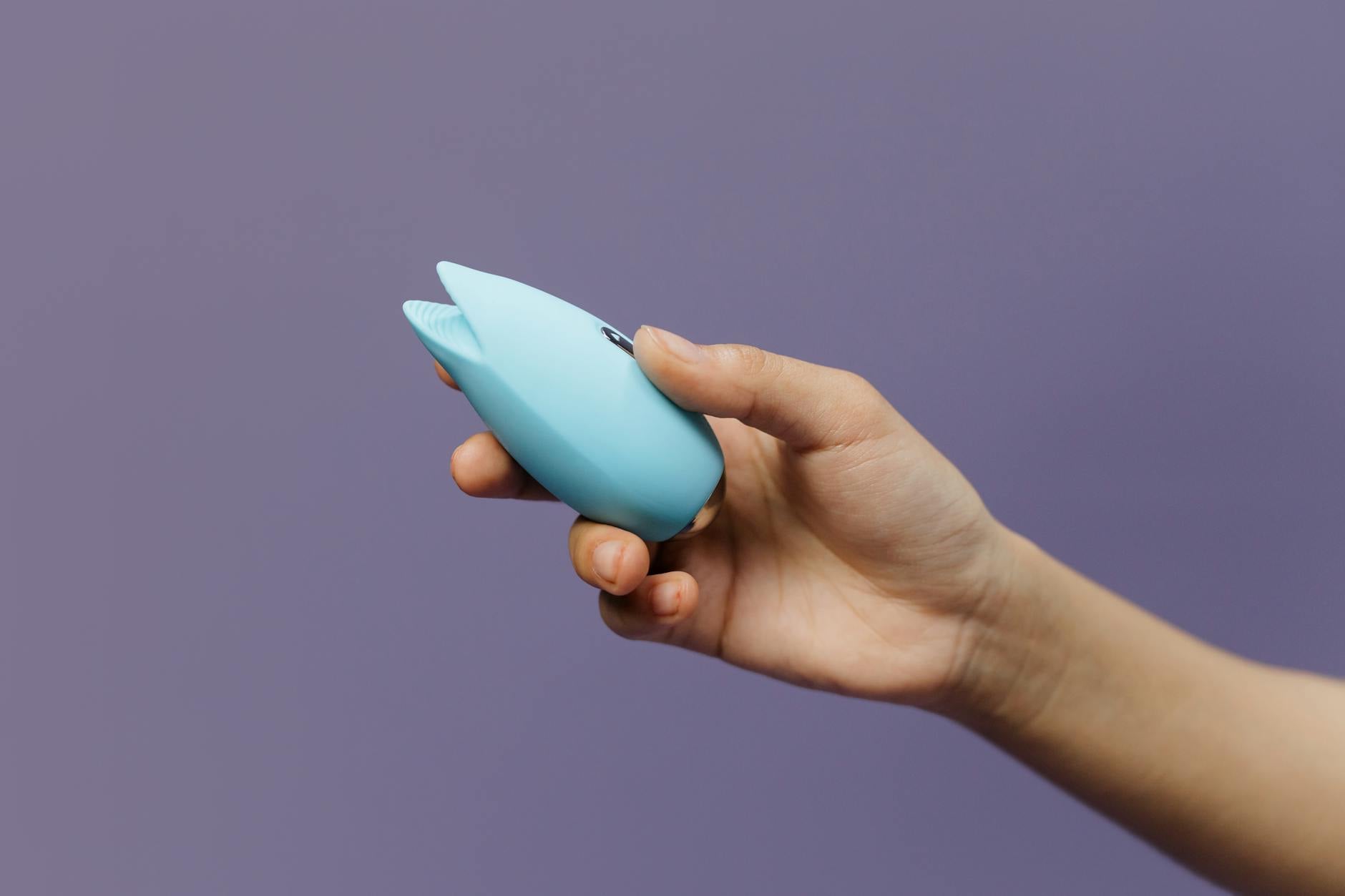
A lemon vibrator like the Lem uses pulsing suction instead of constant vibration. This matters during sensation recovery because suction engages nerve clusters without requiring the sustained friction that can feel too intense or overstimulating on a nervous system that's still reorganizing itself.
When sensation is rebuilding, your clitoris needs rhythm without pressure. You need predictability. The Lem's consistent pulsing pattern gives you that. You can feel where your pleasure is in the cycle. You can anticipate the next pulse. This predictability actually accelerates reconnection because your nervous system isn't being startled or overwhelmed. It's being invited back, gently and repeatedly.
Lower intensity settings matter too. The Lem has patterns 1-3 that feel gentle and exploratory. This is where most people doing pleasure recovery start. You're not trying to make something happen. You're trying to listen to what's already starting to wake up.
The first month: sensation as a whisper
Expect to feel less initially. If you're used to pre-SSRI sensation, the first month might feel like you're barely perceiving anything. This is not a sign that feeling won't come back. It's a sign that your nervous system is beginning to reactivate.
Start with your lemon clitoral vibrator at the lowest setting, in a quiet moment when you're genuinely interested, not performing for anyone. Give yourself 20-30 minutes. Your job is not to chase an orgasm. Your job is to feel where the pleasure starting to whisper. Most people report that they feel something around the 15-minute mark. Just a murmur of sensation. That's the signal you're looking for.
Don't panic if you don't feel it the first time. The fact that you're exploring is enough. Try again in a few days. The pattern of regular, low-pressure exploration matters more than any single session.
Weeks 5-8: the rebuilding phase
By the second month off antidepressants, most people notice pleasure becoming less of a whisper and more of a clear voice. You might find that you're orgasming again, or that you're getting closer. You might also notice that your orgasms feel different. Shallower, maybe. Less full-body. Or sometimes more concentrated in the clitoris itself, without the deeper pelvic sensations you remember.
This is where patience becomes active practice. When you use your lemon vibrator during this phase, you're not just experiencing pleasure. You're teaching your nervous system what pleasure feels like again. You're rebuilding the pathways. The suction pattern of a clitoral vibrator is particularly effective during this phase because it's activating the same nerve clusters repeatedly, in the same way.
If you're partnered, this is worth a conversation. Your partner doesn't need to be present for your recovery. You might actually need solo time to reconnect without any performance pressure. But they might benefit from knowing that this is a rebuilding phase, not a crisis.
Weeks 9-12 and beyond: integration
By three months, most people notice sensation that feels closer to baseline. Not always identical to pre-medication pleasure, but robust and reliably accessible. You might find that partnered sex starts feeling good again, or that solo exploration with your lemon vibrator is more satisfying than it's been in years.
Some people also notice that their pleasure is different in valuable ways. You might have more patience now. Less need to rush. You might discover that a lemon sucker like the Lem is actually your preferred tool, not just a recovery device. The specificity of suction stimulation sometimes becomes a genuine preference, not just a workaround.
If you haven't reached full sensation by three months, it's not too late. Some people take 4-6 months, especially if they were on SSRIs for years. Consistency matters more than speed. Using your clitoral vibrator weekly, not obsessively, gives your nervous system the repetition it needs without the pressure.
The mental component is as real as the physical one
Meds changed how your body felt. They also changed what you believed about your body. You got used to numbness. You might have grieved the loss of pleasure. You might have made peace with it in a way that feels hard to undo now that sensation is returning.
When you pick up your lemon vibrator, you're not just reactivating nerve endings. You're also renegotiating your relationship with pleasure. That's slower work than the physical recovery. Be patient with yourself. It's normal to feel weirdly defensive about pleasure coming back. It's normal to want to ignore it a little bit, because staying numb felt safer.
Read how others have approached rebuilding pleasure after years of numbness with how to use lemon vibrators when pleasure becomes possible after years of numbness. That post speaks directly to the emotional dimension of recovery, which matters as much as the physical sensation.
Practical tools for the recovery window
Three things that change the experience.
Patience with intensity levels. You might have used intensity 5 or 6 on your lemon vibrator before. Start at 1. Genuinely. Your nervous system isn't ready for what it used to be. This isn't permanent. You'll work up gradually. But rushing intensity actually slows recovery because it can feel overwhelming.
Timing matters more than duration. Thirty minutes with genuine interest beats ninety minutes of forcing it. Schedule exploration when your energy is high. When you're not tired. When there's no clock ticking. SSRIs already taught your nervous system to ignore signals. You're retraining it to listen. That requires attention.
Lubrication and comfort first. Even if you don't feel like you need lube yet, use it anyway. Water-based is safest. This removes any friction-based discomfort that might interrupt the reconnection process. Pleasure rebuilding needs zero resistance.
When to loop in a professional
If sensation hasn't begun to return by four months, or if you're experiencing pain alongside the numbness, talk to your doctor. Sometimes the issue is related to the SSRI class you were on. Sometimes it's something else entirely that needs clinical attention. Either way, that's not something to white-knuckle through.
Same if you notice that depression returns when you stop the medication. Pleasure recovery can't happen if your nervous system is in crisis mode. There's no shame in staying on antidepressants, or on a lower dose, if that's what you need. Your pleasure will still be waiting when your brain chemistry is stable.
People also ask
How long does it take for orgasms to return after stopping SSRIs?
Most people experience the return of orgasms somewhere between 6-12 weeks of stopping antidepressants. But "return" doesn't mean "identical to before." The sensation of orgasm might feel different. It might take longer to reach. It might feel more localized to your clitoris rather than full-body. That's normal neurological rewiring. A lemon clitoral vibrator helps you explore what your orgasm feels like now, without pressure to match what it used to be.
Can using a vibrator during SSRI withdrawal damage my clitoris?
No. Your clitoris isn't fragile. Using a lemon vibrator during sensation recovery is actually helpful because you're giving your nervous system targeted, consistent stimulation. The risk isn't physical damage. The risk is overstimulation, which is why starting low and going slow matters. Your clitoris can't be broken by a vibrator. It can be startled by too much intensity too soon.
Is it normal for pleasure to feel different after coming off antidepressants?
Completely. SSRIs reshape how your nervous system responds to stimulation. When you stop, your brain is rewiring. That rewiring might restore pleasure to baseline, or it might create something new. Some people report that orgasms feel sharper after recovery. Others report that they need more time to build sensation. Neither outcome means something is wrong. It means your body has changed, and you're learning it again.
Should my partner be involved in my pleasure recovery?
Not necessarily. You might benefit from solo exploration first, using your lemon vibrator to reconnect privately. Partnered sex adds another layer of nervous system activation (anticipation, attention to someone else, performance pressure) that can actually slow down the solo-sensation rebuilding phase. Once you're reliably feeling pleasure on your own, partnered sex becomes easier. But that private reconnection window is valuable and worth protecting.
What if pleasure feels good but emotionally disconnected?
That's common and worth naming. Antidepressants can create a split between physical sensation and emotional resonance. When sensation returns, you might feel your clitoris responding before your mind catches up. This gap typically closes within a few weeks of consistent sensation recovery. You're retraining your brain to link physical feeling with emotional presence. A lemon sucker gives you the predictable physical rhythm you need while your emotional system reintegrates.
Is it okay to use a clitoral vibrator if I'm considering going back on antidepressants?
Yes. Your pleasure recovery doesn't depend on never using medication again. If you and your doctor decide to restart antidepressants, that's a valid choice and your clitoris will adapt. You might lose some sensation again, which is hard. But you also know now that sensation can come back, and you have tools to help. A lemon vibrator works whether you're on medication or off it.
You're rebuilding, not starting from scratch
Your clitoris remembers pleasure. Your nerve endings remember what to do. Coming off antidepressants isn't a reset to zero. It's a gradual amplification of signals that were always there, just turned way down. When you use a lemon vibrator during this phase, you're not trying to create sensation from nothing. You're inviting sensation back, one pulsing cycle at a time.
The timeline might feel long. Weeks might feel longer than months when you're waiting for your body to wake up. But this is actually one of the clearer recovery paths. Your nervous system has the ability to rewire. Pleasure genuinely does come back. You just need patience, consistency, and tools that work with your recovering sensitivity rather than against it.
If you want to explore more about navigating pleasure during other major transitions, check out how to use lemon vibrators when pleasure returns after hormonal shifts. That covers a similar recovery timeline in a different context, and many of the principles overlap.
Your pleasure matters. It's worth rebuilding slowly, deliberately, and without shame.